Latest Stories
Most recently published stories in The Swamp.
Russian Strike on Kyiv Region Kills 4 People and Wounds 15 as Peace Talks Stall. AI-Generated.
A Russian military strike in the Kyiv region has left at least four civilians dead and 15 others injured, further heightening fears over escalating violence even as stalled peace negotiations underscore the difficulty of ending the conflict. Ukrainian authorities confirmed the casualties, while local emergency services rushed to provide medical care and assess the damage to residential areas. The strike, part of a series of attacks over the past several weeks, targeted both infrastructure and population centers. Explosions destroyed multiple buildings, leaving several residents trapped under debris. Emergency responders and volunteers worked through the night to evacuate survivors and provide urgent assistance to those injured. Civilian Impact and Humanitarian Concerns The human toll of the attack underscores the ongoing vulnerability of civilians in conflict zones. Families living in suburban and rural areas near Kyiv have faced repeated bombardment, which not only causes immediate casualties but also disrupts daily life, schooling, and access to essential services. Medical personnel report that hospitals in the region are operating under significant strain, treating injuries ranging from shrapnel wounds to burns. Local authorities warned that repeated attacks increase both physical and psychological trauma for residents, especially children. International humanitarian organizations have expressed alarm over the rising number of civilian casualties in Ukraine, emphasizing the need for adherence to international law and the protection of noncombatants. Escalation Amid Stalled Peace Talks The strike comes at a time when formal peace discussions remain stalled. Negotiations between Ukrainian officials and Russian representatives, mediated by international actors, have made little progress in recent months. Analysts warn that ongoing attacks, including strikes on urban centers like Kyiv, may further complicate any diplomatic efforts. Officials in Kyiv have stressed that military pressure continues to be a key tactic for Russia, even as international actors push for negotiations. The continuation of strikes raises concerns about both the stability of the truce mechanisms and the broader prospects for a ceasefire. Strategic and Political Implications Beyond the immediate humanitarian impact, attacks on the Kyiv region carry significant political and strategic implications. The Ukrainian government has accused Russia of deliberately targeting populated areas to exert pressure, while Moscow maintains that military operations are aimed at neutralizing Ukrainian military capabilities. The international community remains closely monitoring these developments. Countries supporting Ukraine have condemned attacks on civilian areas, highlighting violations of international humanitarian law, and continue to provide military, financial, and logistical support to Kyiv. Conversely, the continuation of strikes complicates diplomatic engagement by signaling persistent Russian resolve. Regional Security and Infrastructure Damage Infrastructure in the Kyiv region has also suffered extensive damage. Utilities, transportation networks, and residential buildings were affected, creating immediate challenges for recovery and reconstruction. Local authorities are prioritizing the repair of essential services, but the repeated bombardments slow restoration efforts and leave communities exposed to further risk. Energy and water supply systems were reported to be intermittently disrupted, forcing residents to rely on emergency measures. Schools and healthcare facilities have had to adjust operations to accommodate safety concerns, and the local economy continues to be affected by interruptions in daily life. International Reactions The international response to the strike has been swift. The United Nations called for restraint and urged all parties to comply with international law protecting civilians. Western nations, including members of the European Union and United States, issued statements condemning the attacks and reaffirmed support for Ukraine’s sovereignty. Aid organizations are coordinating with local authorities to deliver emergency supplies, medical care, and psychosocial support to affected families. However, the ongoing security situation complicates the logistics of delivering relief in some areas. Civilian Resilience and Community Response Despite the danger, local communities have shown remarkable resilience. Volunteers and neighborhood organizations mobilize quickly to provide shelter, food, and first aid to those affected by strikes. These efforts, combined with government and international assistance, help mitigate the immediate humanitarian consequences. Nevertheless, the repeated attacks erode a sense of security and heighten anxiety among residents, particularly children and the elderly, creating long-term psychological challenges. Outlook and Continuing Tensions The strike in the Kyiv region illustrates the persistent volatility in Ukraine, where civilians remain caught between ongoing military operations and stalled diplomatic efforts. Analysts warn that without renewed negotiations and adherence to humanitarian protections, civilian casualties are likely to increase, further complicating prospects for peace. For now, Ukrainian authorities continue to reinforce emergency response systems and seek international support, while the people of Kyiv brace for further uncertainty. The situation remains a stark reminder of the human cost of conflict and the urgent need for renewed diplomatic engagement to prevent further loss of life.
By Fiaz Ahmed Brohiabout 11 hours ago in The Swamp
Republic of China Defence Ministry Highlights Key Lessons From U.S.-Iranian War For Future Taiwan Strait Conflict. AI-Generated.
The Republic of China Ministry of National Defense has released a detailed analysis of the recent U.S.-Iran conflict, emphasizing lessons that could inform Taiwan’s preparedness for a potential confrontation in the Taiwan Strait. Officials underscored the importance of modernizing defense capabilities, improving intelligence and early warning systems, and integrating joint operations across air, sea, and cyber domains. The report comes amid rising tensions between Taipei and People’s Republic of China, which has increased military activity near Taiwan’s air defense identification zone (ADIZ) over the past year. By studying the U.S.-Iran conflict, Taiwan’s defense planners aim to identify strategic vulnerabilities and operational best practices that could be adapted for the island’s unique security environment. Strategic Lessons From the U.S.-Iran Conflict The U.S.-Iranian confrontation highlighted several key trends that Taiwan’s Ministry of National Defense considers highly relevant. Analysts noted the increasing role of precision missile strikes, unmanned aerial systems (UAS), electronic warfare, and rapid mobilization of combined forces. Military officials emphasized that asymmetric tactics, such as the use of drones and missile saturation attacks, could significantly disrupt conventional defenses if not anticipated. The ministry stressed that Taiwan’s planning must account for scenarios involving both kinetic strikes and cyber operations targeting critical infrastructure. In addition, logistics and command-and-control resilience emerged as critical factors in the U.S.-Iran conflict. The ability to maintain supply lines, coordinate multi-domain operations, and protect communication networks was cited as decisive in determining operational effectiveness. Air and Naval Readiness Taiwan’s air and naval forces are receiving renewed attention in light of these lessons. The report highlighted the importance of dispersed air bases, hardened shelters for aircraft, and rapid-response surface vessels capable of countering missile and drone attacks. Naval exercises have been redesigned to simulate high-intensity missile engagements, with a focus on defending key sea lanes and deterring amphibious incursions. Officials indicated that lessons learned from U.S.-Iranian operations, including the value of layered air defense and coordinated joint operations, are being incorporated into training scenarios. Cyber and Electronic Warfare The Taiwan Ministry of National Defense also emphasized the growing importance of cyber and electronic warfare in modern conflicts. The U.S.-Iran confrontation demonstrated how targeted cyber attacks can disrupt command networks, disable critical infrastructure, and impede operational coordination. Taiwanese defense planners are now investing in advanced cyber defense systems, secure communication channels, and electronic countermeasures designed to detect and neutralize hostile attempts to interfere with military operations. These capabilities are considered essential to deterring and responding effectively to potential threats in the Taiwan Strait. Lessons for Deterrence Strategy One of the key takeaways highlighted in the report is the interplay between deterrence and diplomacy. U.S. actions in the Iranian theater underscored the value of signaling military capability to adversaries while maintaining channels for negotiation and de-escalation. For Taiwan, this translates into maintaining a credible defense posture while seeking diplomatic support from allies. Officials emphasized that demonstrating the ability to impose significant costs on any potential aggressor is central to maintaining stability in the region. Training and Joint Exercises The Ministry of National Defense has announced that upcoming exercises will integrate lessons from the U.S.-Iran conflict, including high-tempo simulations of missile defense, amphibious assault prevention, and multi-domain coordination. Training programs are expanding to include realistic scenarios involving drone swarms, precision missile attacks, and coordinated cyber operations. Defense planners believe that rigorous preparation and adaptability are essential to counter any threats in the Taiwan Strait. Implications for Regional Security The release of the report signals Taiwan’s intent to remain vigilant amid an increasingly complex security environment. Regional experts suggest that by studying contemporary conflicts, Taipei aims to deter potential aggression and reassure allies of its capability to respond effectively. The ministry’s analysis also provides insights for regional partners, including the United States and Japan, highlighting areas where coordinated defense planning and intelligence sharing could enhance collective security. Conclusion By examining the U.S.-Iran conflict, the Republic of China Ministry of National Defense has identified critical lessons for modern warfare in the Taiwan Strait. Emphasis on joint operations, cyber resilience, advanced missile defense, and adaptive training reflects a proactive approach to national security. Officials stressed that preparedness and continuous learning from global conflicts are essential to safeguarding Taiwan’s sovereignty. As regional tensions persist, the ministry’s strategic insights are likely to shape military planning, deterrence posture, and alliance-building efforts in the years ahead.
By Fiaz Ahmed Brohiabout 11 hours ago in The Swamp
Work Continues to Boost Submarine Maintenance at Clyde. AI-Generated.
Maintenance and upgrade work at HMNB Clyde, the United Kingdom’s primary submarine base, is continuing at pace as the Royal Navy seeks to ensure its submarine fleet remains operationally ready and technologically advanced. Officials say ongoing projects are focused on enhancing safety, efficiency, and the long-term sustainability of the base’s nuclear-powered fleet. Located near Faslane, Scotland, HMNB Clyde is home to the UK’s strategic nuclear submarines, including those carrying the Trident nuclear missiles. The base plays a critical role in national defense, and the maintenance and modernization of its submarines are central to the country’s continuous at-sea deterrent strategy. Maintenance Programs and Upgrades The Ministry of Defence (MoD) confirmed that multiple maintenance programs are ongoing at Clyde, including scheduled overhauls, hull inspections, and technological upgrades to navigation, propulsion, and weapons systems. These efforts are intended to extend the service life of submarines and ensure they meet evolving operational requirements. Officials highlighted the importance of preventative maintenance, noting that regular inspections and repairs reduce the risk of unexpected technical failures. “Our goal is to maintain our submarine fleet at peak readiness,” a senior MoD spokesperson said. “That requires careful planning, skilled personnel, and the right infrastructure.” Workforce and Expertise HMNB Clyde employs a combination of Royal Navy personnel and civilian engineers who specialize in submarine maintenance. The workforce is highly trained to manage complex systems, including nuclear propulsion and advanced weapons platforms. The maintenance work also provides opportunities for apprentices and engineers in the UK defense sector, contributing to the development of a skilled workforce capable of supporting sophisticated maritime operations. Safety and Environmental Measures Safety remains a top priority at Clyde, particularly given the nuclear-powered nature of the submarines stationed there. Maintenance procedures are governed by strict protocols to protect both personnel and the environment. The MoD has emphasized that all operations comply with regulatory standards and include measures for waste management, radiation monitoring, and emergency response. These measures are designed to ensure that maintenance work is conducted without compromising environmental or public safety. Infrastructure Improvements Alongside submarine maintenance, investment in the base’s infrastructure is ongoing. This includes upgrades to dock facilities, enhanced security systems, and improved logistical support for submarine operations. By modernizing the base itself, the Royal Navy ensures that maintenance, refueling, and repairs can be conducted efficiently and safely. Infrastructure upgrades also support training facilities, allowing engineers and crew to practice complex procedures in controlled environments before applying them to active vessels. Strategic Significance HMNB Clyde is central to the UK’s strategic deterrence posture. The continuous at-sea deployment of nuclear-armed submarines ensures that the country maintains a credible and resilient defense capability. By investing in maintenance and upgrades, the Royal Navy reduces the risk of operational downtime and strengthens deterrent credibility. Defense analysts note that consistent maintenance is essential for the reliability of the UK’s submarine fleet. Any extended periods of inactivity or technical issues could affect operational readiness and, by extension, national security. Challenges and Operational Demands Maintaining a nuclear-powered submarine fleet presents unique challenges, including complex engineering requirements, tight safety regulations, and the need to coordinate with multiple defense contractors. The MoD has emphasized that despite these challenges, the Clyde maintenance program remains on schedule and continues to meet operational objectives. Furthermore, the Royal Navy must balance routine maintenance with the operational demands of patrols and strategic deployments. This requires careful scheduling to ensure submarines are available when needed without compromising the quality of maintenance work. Future Outlook Looking ahead, the MoD plans to continue investing in Clyde, both in terms of submarine maintenance and base infrastructure. As the UK develops its next-generation Dreadnought-class submarines, the base will play a critical role in supporting these vessels throughout their service life. Officials stress that the continued modernization of both submarines and facilities is key to maintaining the effectiveness and credibility of the UK’s nuclear deterrent for decades to come. Conclusion Maintenance and upgrade efforts at HMNB Clyde demonstrate the UK’s commitment to sustaining a reliable and technologically advanced submarine fleet. Through careful planning, skilled workforce management, and infrastructure investment, the Royal Navy ensures that its undersea deterrent remains ready to respond to emerging threats. As work continues at Clyde, the focus remains on safety, operational readiness, and long-term strategic capability — vital components of the nation’s defense posture in an increasingly complex global security environment.
By Fiaz Ahmed Brohiabout 11 hours ago in The Swamp
Incident involving Greek-owned vessel raises new security concerns for commercial shipping in the Black Sea. AI-Generated.
A tanker belonging to a fleet associated with the prominent Greek shipping group Angelicoussis Group was reportedly struck by what authorities believe may have been a missile or drone while navigating the Black Sea, sparking renewed concerns over the safety of commercial shipping routes in the increasingly tense maritime region. Maritime security sources said the incident occurred during routine transit through international waters, where merchant vessels continue to operate despite the lingering security risks tied to the regional conflict. Initial reports suggest the ship sustained damage but remained afloat, and emergency response procedures were quickly initiated by the vessel’s crew. Explosion at Sea According to shipping monitors and maritime intelligence firms, the tanker’s crew reported a sudden explosion near the vessel’s hull, followed by alarms indicating possible structural damage. Early assessments indicated that the blast could have been caused either by a missile fragment or an aerial drone strike, though investigators are still working to confirm the exact source of the attack. The tanker, managed by a subsidiary within the Angelicoussis shipping network, was reportedly carrying cargo when the incident occurred. Fortunately, no immediate reports of fatalities were released, although some crew members were said to have sustained minor injuries during the explosion and the subsequent emergency response onboard. Authorities in the region were alerted shortly after the event, and nearby vessels reportedly altered their routes to maintain a safe distance from the damaged ship while rescue coordination efforts began. Rising Maritime Risks The attack highlights the continued volatility affecting maritime traffic in the Black Sea since the outbreak of the Russian invasion of Ukraine in 2022. Although some shipping activity has gradually resumed, the area remains one of the world’s most closely monitored maritime corridors due to military operations, mines, and drone warfare. Commercial vessels traveling through the Black Sea face a complex risk environment that includes naval patrols, aerial surveillance, and the potential presence of unmanned attack systems. Maritime insurers have repeatedly warned that merchant ships operating in the region must maintain heightened vigilance and adhere to strict security protocols. Industry analysts note that tankers and bulk carriers are particularly vulnerable because of their large size and relatively slow maneuverability, making them easier targets in contested waters. Greek Shipping Industry on Alert The Angelicoussis family controls one of the largest privately owned shipping fleets in the world. Its companies operate hundreds of vessels across multiple sectors, including crude oil tankers, liquefied natural gas carriers, and bulk cargo ships. News of the strike quickly spread across the global shipping industry, prompting concerns among operators whose vessels regularly traverse the Black Sea to transport grain, oil products, and other commodities. Greek shipping firms, which collectively manage one of the largest merchant fleets worldwide, are closely monitoring developments. Executives within the sector warned that repeated attacks on merchant vessels could significantly disrupt maritime trade routes in the region. If threats escalate further, insurers may increase war-risk premiums or impose stricter operating conditions on ships entering the Black Sea. Crew Safety and Emergency Response Following the explosion, the tanker’s crew reportedly implemented standard maritime emergency procedures, including damage assessment and communication with nearby vessels and coastal authorities. Maritime safety experts say such protocols are designed to stabilize vessels after attacks or collisions and prevent further harm. Support ships and emergency response teams were reportedly dispatched to assist the damaged tanker, ensuring it could be stabilized and escorted to a safe harbor for inspection and repairs. Early reports suggest the vessel’s propulsion and navigation systems remained functional despite the blast. Crew members were also evaluated for injuries, with medical assistance provided where necessary. Strategic Implications Security analysts say the incident underscores the growing role of drones and precision weapons in modern maritime conflict. The use of relatively inexpensive unmanned systems has allowed both state and non-state actors to threaten large commercial vessels without deploying traditional naval forces. The Black Sea has increasingly become a testing ground for such tactics. Drone strikes on ports, ships, and offshore infrastructure have become more common over the past two years as the conflict has evolved. This development presents a significant challenge for commercial shipping operators, who must navigate waters where advanced military technologies may be deployed without warning. Trade Routes at Risk The Black Sea remains a crucial corridor for global trade, particularly for energy shipments and agricultural exports originating from Eastern Europe and surrounding regions. Any disruption to shipping in the area could have ripple effects across international markets. Energy traders and commodity analysts are closely watching developments following the tanker incident. Although a single attack may not immediately disrupt trade flows, repeated incidents could deter shipping companies from operating in the region. For now, maritime authorities and shipping firms are focusing on ensuring the safety of crews and stabilizing the affected vessel. Investigations into the cause of the strike are ongoing, and additional details are expected to emerge in the coming days. The incident serves as a stark reminder that, even years after the outbreak of conflict in the region, commercial vessels operating in the Black Sea continue to face unpredictable and potentially dangerous conditions.
By Fiaz Ahmed about 12 hours ago in The Swamp
Trump and Rubio’s Vision of War: The Art of Destroy and Deal. AI-Generated.
In the evolving landscape of American foreign policy debates, few ideas have generated as much discussion as the strategic vision sometimes described by critics and supporters alike as the “destroy and deal” approach. The concept is often associated with the rhetoric and policy preferences of prominent U.S. political figures such as Donald Trump and Marco Rubio, who have both argued that strong military leverage can be a powerful tool in forcing adversaries to negotiate. Although the two leaders differ in tone and political background, their views on national security often intersect around the idea that diplomacy is most effective when backed by overwhelming power. Supporters describe the approach as pragmatic realism, while critics warn that it risks escalating conflicts before negotiations even begin. The Core Idea Behind “Destroy and Deal” At its core, the strategy emphasizes the use of decisive force or economic pressure to weaken an adversary’s position before engaging in negotiations. Advocates argue that demonstrating strength first forces opponents to recognize the costs of continued confrontation. The approach draws inspiration from historical examples where military pressure preceded diplomatic agreements. In such cases, leaders have believed that demonstrating battlefield or economic dominance creates the conditions for favorable negotiations. For Donald Trump, the concept aligns with his broader “America First” philosophy, which prioritizes national interests and direct negotiation with rivals. During his presidency, Trump frequently emphasized that strong sanctions, military readiness, and aggressive rhetoric could push adversaries toward diplomatic settlements. Rubio’s Strategic Perspective Marco Rubio, a long-time member of the United States Senate, has framed the strategy in terms of strategic deterrence and global power competition. Rubio has consistently argued that authoritarian rivals must believe the United States is willing to act decisively in order for diplomatic solutions to succeed. His approach reflects concerns about geopolitical competition with countries such as China, Russia, and Iran, where policymakers in Washington believe strong deterrence is necessary to prevent regional aggression. Rubio and like-minded lawmakers contend that negotiations without leverage often fail, especially when dealing with governments that see compromise as weakness. From this perspective, economic sanctions, military deployments, and strategic alliances are tools that create the leverage required for successful diplomacy. Military Pressure and Negotiation Critics describe the “destroy and deal” philosophy as a risky strategy that could escalate conflicts unnecessarily. They argue that relying on military pressure may provoke retaliation and increase instability in already fragile regions. Foreign policy analysts often note that while coercive diplomacy has occasionally succeeded, it has also led to prolonged conflicts when adversaries refuse to back down. The balance between deterrence and escalation remains one of the central challenges of modern international relations. Supporters counter that deterrence itself depends on credibility. If adversaries believe the United States lacks the will to use force, they argue, diplomatic negotiations lose much of their influence. Influence on Global Strategy The broader debate surrounding this strategy reflects a deeper shift in American foreign policy thinking. In recent years, policymakers across the political spectrum have become increasingly concerned about the return of great-power competition. Conflicts and tensions involving the North Atlantic Treaty Organization, rising competition in the Indo-Pacific region, and ongoing confrontations in the Middle East have all contributed to a more assertive strategic environment. Within this context, the idea of combining pressure with negotiation has gained traction among some policymakers who believe traditional diplomacy alone is insufficient to manage modern geopolitical rivalries. The Critics’ View Opponents argue that such strategies risk oversimplifying complex conflicts. They contend that international crises often require long-term diplomatic engagement, coalition-building, and economic cooperation rather than purely coercive tactics. Some analysts warn that a doctrine centered too heavily on force could undermine international institutions and alliances that have historically played key roles in maintaining stability. Human rights groups have also expressed concern that aggressive strategies may increase civilian suffering in conflict zones if military operations become the primary tool of foreign policy. The Future of the Debate The ongoing discussion surrounding the “destroy and deal” concept reflects broader disagreements about how the United States should navigate an increasingly competitive world. While some policymakers believe stronger military leverage is essential, others advocate for diplomacy and multilateral cooperation as the primary tools for resolving disputes. Ultimately, the effectiveness of any strategy will depend on how it is applied in specific situations. Military strength, economic influence, and diplomatic engagement are all components of modern statecraft, and balancing them remains one of the most difficult tasks for policymakers. As debates continue in Washington and beyond, the ideas associated with Donald Trump and Marco Rubio will likely remain part of the conversation about how the United States approaches war, negotiation, and the pursuit of national interests in an uncertain global landscape.
By Fiaz Ahmed about 12 hours ago in The Swamp
Why Canada Is Helping Canadians Flee the Middle East — and What It Costs. AI-Generated.
As tensions and conflict escalate across parts of the Middle East, the government of Canada has launched emergency measures to help citizens leave the region. The operation, which includes charter flights, diplomatic coordination, and emergency consular assistance, reflects Ottawa’s responsibility to protect Canadians abroad — but it also carries significant logistical complexity and financial costs. In recent weeks, hundreds of Canadians living or traveling in the Middle East have sought assistance from embassies and consulates as security conditions deteriorated in several countries. The government responded by organizing evacuation routes and temporary transit arrangements to help citizens reach safer destinations. Emergency Evacuations Begin Officials at Global Affairs Canada confirmed that evacuation operations were initiated after rising regional tensions created concerns about civilian safety and the potential closure of commercial air routes. With flights disrupted and airspace restrictions affecting travel across the region, many Canadians found themselves unable to leave on their own. To address the situation, Canada coordinated charter aircraft, assisted travelers with documentation, and established emergency registration systems so citizens could report their locations and request support. In several cases, diplomatic staff also helped Canadians cross land borders to neighboring countries where commercial flights remained available. Canadian authorities emphasized that evacuation efforts are typically reserved for situations where normal travel options become unavailable or unsafe. The Financial Cost While such operations are essential for citizen safety, they are also expensive. Chartering aircraft, deploying diplomatic staff, and maintaining emergency response systems can cost millions of dollars, depending on the scale and duration of the crisis. Government officials say evacuation flights often involve complex logistics, including securing aircraft at short notice, coordinating with foreign governments, and ensuring safe transport routes. In many cases, aircraft must operate outside normal commercial schedules or travel through longer flight paths due to security concerns. Canadian taxpayers typically cover the upfront costs of these operations, though the government sometimes asks evacuees to repay part of the expense later. In previous crises, travelers were billed for a portion of their evacuation flight costs, often equivalent to a standard commercial airfare. However, officials acknowledge that collecting repayment can be difficult, particularly if evacuees face financial hardship after leaving the region. Diplomatic Coordination Evacuations require extensive international cooperation. Canadian diplomats often work closely with allied countries, including the United States, the United Kingdom, and European partners to share transportation resources and coordinate departure routes. In some situations, citizens from multiple countries are placed on the same evacuation flights. This cooperation helps reduce costs and ensures that limited aircraft capacity can be used as efficiently as possible. Diplomatic teams also coordinate with local authorities to secure airport access, travel permissions, and border crossings. In regions experiencing active conflict or instability, these negotiations can be particularly sensitive and time-consuming. Who Gets Help Canada’s evacuation operations primarily focus on citizens and permanent residents. However, officials often face difficult decisions when family members without Canadian citizenship request assistance. In past crises, Ottawa has sometimes allowed immediate family members to board evacuation flights, though these decisions are typically made on a case-by-case basis. Immigration documentation and security procedures must still be followed, which can delay departures. The government also encourages Canadians abroad to register with its Registration of Canadians Abroad system, which helps officials locate citizens quickly during emergencies. Lessons from Past Evacuations Canada has carried out similar evacuation missions in previous conflicts and crises. During political upheaval in the Middle East and North Africa over the past decade, Ottawa organized charter flights and naval evacuations to assist citizens leaving dangerous areas. One of the largest such efforts occurred during the 2006 Lebanon War, when Canada evacuated tens of thousands of citizens from Lebanon using ships and aircraft. That operation remains one of the most complex consular evacuations in Canadian history. Since then, Canada has refined its emergency response procedures, focusing on faster coordination and improved communication with citizens abroad. Balancing Responsibility and Risk Evacuation missions highlight the challenges governments face when protecting citizens overseas. While many Canadians travel or work abroad every year, crises can emerge suddenly and disrupt transportation networks with little warning. Officials stress that travelers should always monitor security conditions and follow government travel advisories before visiting high-risk regions. In some cases, citizens remain in affected areas despite warnings, making evacuation efforts more complicated. Despite the cost and logistical hurdles, the Canadian government says assisting citizens in times of danger remains a core responsibility. A Continuing Operation As the Middle East crisis continues, Canadian authorities say evacuation operations may remain active as long as security conditions require them. Diplomatic staff are monitoring developments closely and preparing additional assistance if needed. For Canadians seeking to leave the region, the government’s message is clear: register with consular services, stay informed about travel options, and be prepared to depart quickly if conditions worsen. The cost of these operations may be high, but officials say the priority remains ensuring that Canadians can return home safely during times of international crisis.
By Fiaz Ahmed about 12 hours ago in The Swamp
Germany Germany misses climate targets as emissions barely fall in 2025. AI-Generated.
Germany has fallen short of its national climate targets after greenhouse gas emissions declined only marginally in 2025, raising fresh concerns about whether Europe’s largest economy can meet its ambitious decarbonization goals in the coming decade. Preliminary estimates from environmental monitoring groups suggest emissions in Germany fell by less than expected last year, marking a slowdown in progress compared with earlier reductions achieved during the energy crisis and pandemic years. The modest decline has sparked criticism from climate advocates and renewed debate within the government over the pace of the country’s energy transition. Officials linked the sluggish progress to several factors, including higher industrial output, increased use of fossil fuels during periods of energy demand, and slower-than-anticipated expansion of renewable power infrastructure. These pressures complicated the country’s efforts to stay on track with targets established under Germany’s national climate law. Slower Emissions Decline Germany had aimed to reduce greenhouse gas emissions significantly by the middle of the decade as part of a broader plan to reach climate neutrality by 2045. However, analysts say the reductions achieved in 2025 were minimal compared with the steep cuts required to meet those targets. The country’s climate framework requires strict annual limits for major sectors including transportation, buildings, industry, and energy production. Several of those sectors are believed to have exceeded their permitted emission levels last year, placing additional pressure on policymakers to introduce corrective measures. Environmental experts note that early gains in emissions reduction were partly driven by temporary circumstances such as reduced economic activity and energy consumption during the pandemic period. As the economy rebounded, structural reforms needed to maintain those reductions have proven more difficult to implement. Energy Transition Challenges Germany’s energy transition, often referred to as Energiewende, aims to rapidly expand renewable energy while phasing out nuclear and coal power. Although renewable generation has grown significantly over the past decade, challenges remain in scaling up infrastructure quickly enough to replace fossil fuels. Wind and solar installations continue to expand across the country, but regulatory hurdles, grid limitations, and local opposition to some projects have slowed development in certain regions. At the same time, fluctuating renewable output has required continued reliance on gas and coal power plants during periods of high electricity demand. Energy analysts say that balancing supply and demand during the transition remains one of the central difficulties for policymakers. Without major improvements in energy storage, grid expansion, and renewable deployment, fossil fuel generation may remain necessary to ensure stability in the power system. Transport and Buildings Under Pressure Two sectors in particular — transportation and buildings — continue to pose serious challenges for Germany’s climate strategy. Road traffic emissions remain stubbornly high due to strong reliance on private vehicles and freight transport powered by diesel and gasoline. Although electric vehicle adoption is increasing, the transition is occurring more slowly than many climate planners had anticipated. Charging infrastructure expansion and consumer adoption rates have become key issues in the national debate over transportation emissions. The buildings sector faces similar obstacles. Heating systems in millions of German homes still rely on natural gas or oil, and efforts to replace them with cleaner alternatives have triggered political controversy over costs and regulatory requirements. European and Global Implications Germany’s climate performance carries significant weight across the European Union, where the country plays a leading economic and political role. The EU has set ambitious emissions reduction targets for member states as part of its broader strategy to combat global climate change. If Germany struggles to meet its national targets, analysts warn it could complicate the bloc’s collective efforts to reduce emissions and maintain credibility in international climate negotiations. Climate groups say stronger policies will be needed to accelerate emissions cuts, including faster renewable energy deployment, stricter efficiency standards, and increased investment in green technologies. Political Debate Intensifies The latest emissions data has already fueled debate within Germany’s governing coalition, where parties differ over the best approach to climate policy. Some leaders argue that more aggressive regulations and subsidies are needed to drive rapid transformation, while others warn that excessive pressure could harm industry and economic competitiveness. Industrial groups have expressed concern that overly strict climate measures could push manufacturing companies to relocate production outside Europe. Environmental advocates, however, argue that delaying action would ultimately prove more costly both economically and environmentally. The Road Ahead Despite the disappointing results for 2025, government officials insist that Germany remains committed to its long-term climate objectives. Additional policies aimed at accelerating renewable deployment, expanding public transportation, and improving energy efficiency are expected to be introduced in the coming years. Experts say the next few years will be critical for determining whether Germany can regain momentum in cutting emissions. Achieving the country’s climate targets will require sustained investment, political consensus, and major structural changes across key sectors of the economy. For now, the limited emissions decline in 2025 serves as a warning sign that the path toward climate neutrality may prove more complex — and more contested — than originally anticipated.
By Fiaz Ahmed about 12 hours ago in The Swamp
How the Middle East Crisis Has Affected Sporting Events and Athletes. AI-Generated.
The ongoing crisis in the Middle East has begun to ripple far beyond politics and security, reaching into the world of international sports. Major competitions have been rescheduled, athletes have faced travel disruptions, and sports organizations have had to rethink safety protocols as instability in the region affects global sporting calendars.
By Fiaz Ahmed about 12 hours ago in The Swamp
Two Oil Tankers Seen at Kharg After Strikes, Satellite Firm Says. AI-Generated.
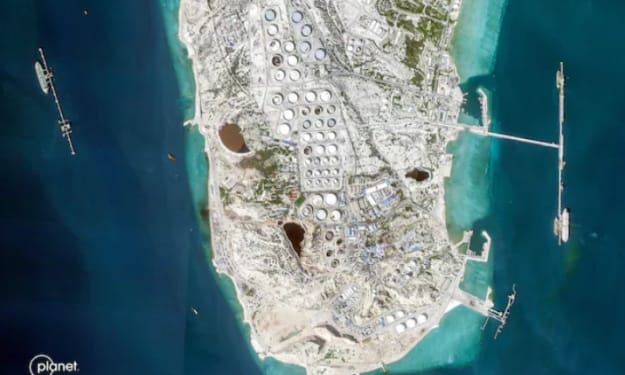
Satellite imagery captured in the aftermath of recent strikes near Iran’s most important oil export terminal indicates that at least two large crude carriers have appeared near the island’s main loading infrastructure, according to a commercial monitoring company. The images suggest that oil export activity at the strategic terminal may be cautiously resuming even as tensions in the region remain high. The new analysis focuses on facilities at Kharg Island, a small island in the northern Persian Gulf that handles the majority of Iran’s crude exports. The terminal has long been considered a critical node in the country’s energy sector and a potential vulnerability in times of conflict. According to analysts at Planet Labs, which provides high-resolution satellite imagery to governments and commercial clients, images taken within the past 48 hours show two very large crude carriers positioned near the island’s primary offshore loading jetties. The tankers appear to be anchored or slowly maneuvering close to export facilities that were reportedly targeted in recent strikes. The strikes themselves have not been officially confirmed in detail by Iran, though regional security officials and shipping monitors say explosions were reported near energy infrastructure earlier this week. The incident occurred amid rising tensions across the Persian Gulf, where multiple attacks on commercial shipping and energy facilities have raised fears of a broader confrontation. Satellite specialists said the appearance of the tankers could signal that operators believe the damage to loading facilities is limited or manageable. “The vessels appear positioned in a way consistent with preparing for or conducting loading operations,” one analyst familiar with the imagery said. “That would suggest the terminal is at least partially operational.” However, analysts cautioned that the presence of ships does not necessarily mean that oil is currently flowing at full capacity. In some cases, tankers are positioned near export terminals as a contingency while infrastructure is inspected or repaired. Kharg Island plays an outsized role in Iran’s energy exports. Industry estimates indicate that up to 90 percent of the country’s crude shipments historically passed through the terminal’s jetties and offshore loading buoys. Damage to those facilities could significantly affect Iran’s ability to move oil to international buyers. Shipping data compiled by maritime intelligence groups indicates that several tankers previously scheduled to approach the island delayed their arrival after reports of the strikes emerged. Insurance costs for vessels operating in the region have also risen sharply. Global energy markets have been closely watching developments. Even temporary disruptions to exports from the Gulf can ripple through oil markets because of the region’s role as the world’s largest crude supply hub. Traders reacted nervously earlier in the week, pushing prices higher as uncertainty about the security of shipping lanes spread. The narrow Strait of Hormuz, located just southeast of Kharg Island, is one of the most important maritime chokepoints in the world. Roughly a fifth of global oil shipments pass through the strait each day, making any escalation in the surrounding waters a major concern for global energy security. Security analysts say the latest imagery could indicate that Iranian authorities are attempting to project stability by maintaining visible export operations. Keeping tankers near loading terminals can signal to markets and buyers that exports are continuing despite military pressure. Regional naval forces have also increased patrols in the area. Several Western and Gulf states have warned commercial vessels to exercise caution when transiting near Iranian territorial waters. Shipping companies are monitoring security advisories closely, particularly as earlier incidents involving drones and missiles have demonstrated the vulnerability of large commercial vessels. Officials in United States and several European countries have declined to comment directly on the satellite images but have reiterated calls for restraint. Diplomatic channels remain active as governments seek to prevent a cycle of retaliatory strikes that could endanger civilian shipping and energy infrastructure. Meanwhile, energy analysts note that Iran has developed contingency plans over decades of sanctions and regional tensions. These include alternative loading arrangements, storage facilities, and ship-to-ship transfer methods designed to keep exports moving even under pressure. The satellite imagery does not yet provide a clear assessment of potential structural damage to Kharg’s export terminals. Cloud cover and the angle of observation make it difficult to determine whether pipelines, storage tanks, or loading arms were affected by the reported strikes. Even so, the mere presence of two tankers near the island has attracted close scrutiny from energy traders and security officials alike. Maritime traffic around Kharg is typically a reliable indicator of Iran’s export activity, and analysts say additional images in the coming days will help clarify whether loading operations are actually underway. For now, the images serve as one of the few independent glimpses into conditions at one of the world’s most strategically important oil terminals. As tensions remain elevated in the Gulf, the movements of just a few ships near Kharg Island could carry implications far beyond the region, influencing energy markets and geopolitical calculations around the globe.
By Fiaz Ahmed about 12 hours ago in The Swamp