Fiaz Ahmed Brohi
Bio
I am a passionate writer with a love for exploring and creating content on trending topics. Always curious, always sharing stories that engage and inspire.
Stories (633)
Filter by community
Russian Strike on Kyiv Region Kills 4 People and Wounds 15 as Peace Talks Stall. AI-Generated.
A Russian military strike in the Kyiv region has left at least four civilians dead and 15 others injured, further heightening fears over escalating violence even as stalled peace negotiations underscore the difficulty of ending the conflict. Ukrainian authorities confirmed the casualties, while local emergency services rushed to provide medical care and assess the damage to residential areas. The strike, part of a series of attacks over the past several weeks, targeted both infrastructure and population centers. Explosions destroyed multiple buildings, leaving several residents trapped under debris. Emergency responders and volunteers worked through the night to evacuate survivors and provide urgent assistance to those injured. Civilian Impact and Humanitarian Concerns The human toll of the attack underscores the ongoing vulnerability of civilians in conflict zones. Families living in suburban and rural areas near Kyiv have faced repeated bombardment, which not only causes immediate casualties but also disrupts daily life, schooling, and access to essential services. Medical personnel report that hospitals in the region are operating under significant strain, treating injuries ranging from shrapnel wounds to burns. Local authorities warned that repeated attacks increase both physical and psychological trauma for residents, especially children. International humanitarian organizations have expressed alarm over the rising number of civilian casualties in Ukraine, emphasizing the need for adherence to international law and the protection of noncombatants. Escalation Amid Stalled Peace Talks The strike comes at a time when formal peace discussions remain stalled. Negotiations between Ukrainian officials and Russian representatives, mediated by international actors, have made little progress in recent months. Analysts warn that ongoing attacks, including strikes on urban centers like Kyiv, may further complicate any diplomatic efforts. Officials in Kyiv have stressed that military pressure continues to be a key tactic for Russia, even as international actors push for negotiations. The continuation of strikes raises concerns about both the stability of the truce mechanisms and the broader prospects for a ceasefire. Strategic and Political Implications Beyond the immediate humanitarian impact, attacks on the Kyiv region carry significant political and strategic implications. The Ukrainian government has accused Russia of deliberately targeting populated areas to exert pressure, while Moscow maintains that military operations are aimed at neutralizing Ukrainian military capabilities. The international community remains closely monitoring these developments. Countries supporting Ukraine have condemned attacks on civilian areas, highlighting violations of international humanitarian law, and continue to provide military, financial, and logistical support to Kyiv. Conversely, the continuation of strikes complicates diplomatic engagement by signaling persistent Russian resolve. Regional Security and Infrastructure Damage Infrastructure in the Kyiv region has also suffered extensive damage. Utilities, transportation networks, and residential buildings were affected, creating immediate challenges for recovery and reconstruction. Local authorities are prioritizing the repair of essential services, but the repeated bombardments slow restoration efforts and leave communities exposed to further risk. Energy and water supply systems were reported to be intermittently disrupted, forcing residents to rely on emergency measures. Schools and healthcare facilities have had to adjust operations to accommodate safety concerns, and the local economy continues to be affected by interruptions in daily life. International Reactions The international response to the strike has been swift. The United Nations called for restraint and urged all parties to comply with international law protecting civilians. Western nations, including members of the European Union and United States, issued statements condemning the attacks and reaffirmed support for Ukraine’s sovereignty. Aid organizations are coordinating with local authorities to deliver emergency supplies, medical care, and psychosocial support to affected families. However, the ongoing security situation complicates the logistics of delivering relief in some areas. Civilian Resilience and Community Response Despite the danger, local communities have shown remarkable resilience. Volunteers and neighborhood organizations mobilize quickly to provide shelter, food, and first aid to those affected by strikes. These efforts, combined with government and international assistance, help mitigate the immediate humanitarian consequences. Nevertheless, the repeated attacks erode a sense of security and heighten anxiety among residents, particularly children and the elderly, creating long-term psychological challenges. Outlook and Continuing Tensions The strike in the Kyiv region illustrates the persistent volatility in Ukraine, where civilians remain caught between ongoing military operations and stalled diplomatic efforts. Analysts warn that without renewed negotiations and adherence to humanitarian protections, civilian casualties are likely to increase, further complicating prospects for peace. For now, Ukrainian authorities continue to reinforce emergency response systems and seek international support, while the people of Kyiv brace for further uncertainty. The situation remains a stark reminder of the human cost of conflict and the urgent need for renewed diplomatic engagement to prevent further loss of life.
By Fiaz Ahmed Brohiabout 7 hours ago in The Swamp
Republic of China Defence Ministry Highlights Key Lessons From U.S.-Iranian War For Future Taiwan Strait Conflict. AI-Generated.
The Republic of China Ministry of National Defense has released a detailed analysis of the recent U.S.-Iran conflict, emphasizing lessons that could inform Taiwan’s preparedness for a potential confrontation in the Taiwan Strait. Officials underscored the importance of modernizing defense capabilities, improving intelligence and early warning systems, and integrating joint operations across air, sea, and cyber domains. The report comes amid rising tensions between Taipei and People’s Republic of China, which has increased military activity near Taiwan’s air defense identification zone (ADIZ) over the past year. By studying the U.S.-Iran conflict, Taiwan’s defense planners aim to identify strategic vulnerabilities and operational best practices that could be adapted for the island’s unique security environment. Strategic Lessons From the U.S.-Iran Conflict The U.S.-Iranian confrontation highlighted several key trends that Taiwan’s Ministry of National Defense considers highly relevant. Analysts noted the increasing role of precision missile strikes, unmanned aerial systems (UAS), electronic warfare, and rapid mobilization of combined forces. Military officials emphasized that asymmetric tactics, such as the use of drones and missile saturation attacks, could significantly disrupt conventional defenses if not anticipated. The ministry stressed that Taiwan’s planning must account for scenarios involving both kinetic strikes and cyber operations targeting critical infrastructure. In addition, logistics and command-and-control resilience emerged as critical factors in the U.S.-Iran conflict. The ability to maintain supply lines, coordinate multi-domain operations, and protect communication networks was cited as decisive in determining operational effectiveness. Air and Naval Readiness Taiwan’s air and naval forces are receiving renewed attention in light of these lessons. The report highlighted the importance of dispersed air bases, hardened shelters for aircraft, and rapid-response surface vessels capable of countering missile and drone attacks. Naval exercises have been redesigned to simulate high-intensity missile engagements, with a focus on defending key sea lanes and deterring amphibious incursions. Officials indicated that lessons learned from U.S.-Iranian operations, including the value of layered air defense and coordinated joint operations, are being incorporated into training scenarios. Cyber and Electronic Warfare The Taiwan Ministry of National Defense also emphasized the growing importance of cyber and electronic warfare in modern conflicts. The U.S.-Iran confrontation demonstrated how targeted cyber attacks can disrupt command networks, disable critical infrastructure, and impede operational coordination. Taiwanese defense planners are now investing in advanced cyber defense systems, secure communication channels, and electronic countermeasures designed to detect and neutralize hostile attempts to interfere with military operations. These capabilities are considered essential to deterring and responding effectively to potential threats in the Taiwan Strait. Lessons for Deterrence Strategy One of the key takeaways highlighted in the report is the interplay between deterrence and diplomacy. U.S. actions in the Iranian theater underscored the value of signaling military capability to adversaries while maintaining channels for negotiation and de-escalation. For Taiwan, this translates into maintaining a credible defense posture while seeking diplomatic support from allies. Officials emphasized that demonstrating the ability to impose significant costs on any potential aggressor is central to maintaining stability in the region. Training and Joint Exercises The Ministry of National Defense has announced that upcoming exercises will integrate lessons from the U.S.-Iran conflict, including high-tempo simulations of missile defense, amphibious assault prevention, and multi-domain coordination. Training programs are expanding to include realistic scenarios involving drone swarms, precision missile attacks, and coordinated cyber operations. Defense planners believe that rigorous preparation and adaptability are essential to counter any threats in the Taiwan Strait. Implications for Regional Security The release of the report signals Taiwan’s intent to remain vigilant amid an increasingly complex security environment. Regional experts suggest that by studying contemporary conflicts, Taipei aims to deter potential aggression and reassure allies of its capability to respond effectively. The ministry’s analysis also provides insights for regional partners, including the United States and Japan, highlighting areas where coordinated defense planning and intelligence sharing could enhance collective security. Conclusion By examining the U.S.-Iran conflict, the Republic of China Ministry of National Defense has identified critical lessons for modern warfare in the Taiwan Strait. Emphasis on joint operations, cyber resilience, advanced missile defense, and adaptive training reflects a proactive approach to national security. Officials stressed that preparedness and continuous learning from global conflicts are essential to safeguarding Taiwan’s sovereignty. As regional tensions persist, the ministry’s strategic insights are likely to shape military planning, deterrence posture, and alliance-building efforts in the years ahead.
By Fiaz Ahmed Brohiabout 7 hours ago in The Swamp
Work Continues to Boost Submarine Maintenance at Clyde. AI-Generated.
Maintenance and upgrade work at HMNB Clyde, the United Kingdom’s primary submarine base, is continuing at pace as the Royal Navy seeks to ensure its submarine fleet remains operationally ready and technologically advanced. Officials say ongoing projects are focused on enhancing safety, efficiency, and the long-term sustainability of the base’s nuclear-powered fleet. Located near Faslane, Scotland, HMNB Clyde is home to the UK’s strategic nuclear submarines, including those carrying the Trident nuclear missiles. The base plays a critical role in national defense, and the maintenance and modernization of its submarines are central to the country’s continuous at-sea deterrent strategy. Maintenance Programs and Upgrades The Ministry of Defence (MoD) confirmed that multiple maintenance programs are ongoing at Clyde, including scheduled overhauls, hull inspections, and technological upgrades to navigation, propulsion, and weapons systems. These efforts are intended to extend the service life of submarines and ensure they meet evolving operational requirements. Officials highlighted the importance of preventative maintenance, noting that regular inspections and repairs reduce the risk of unexpected technical failures. “Our goal is to maintain our submarine fleet at peak readiness,” a senior MoD spokesperson said. “That requires careful planning, skilled personnel, and the right infrastructure.” Workforce and Expertise HMNB Clyde employs a combination of Royal Navy personnel and civilian engineers who specialize in submarine maintenance. The workforce is highly trained to manage complex systems, including nuclear propulsion and advanced weapons platforms. The maintenance work also provides opportunities for apprentices and engineers in the UK defense sector, contributing to the development of a skilled workforce capable of supporting sophisticated maritime operations. Safety and Environmental Measures Safety remains a top priority at Clyde, particularly given the nuclear-powered nature of the submarines stationed there. Maintenance procedures are governed by strict protocols to protect both personnel and the environment. The MoD has emphasized that all operations comply with regulatory standards and include measures for waste management, radiation monitoring, and emergency response. These measures are designed to ensure that maintenance work is conducted without compromising environmental or public safety. Infrastructure Improvements Alongside submarine maintenance, investment in the base’s infrastructure is ongoing. This includes upgrades to dock facilities, enhanced security systems, and improved logistical support for submarine operations. By modernizing the base itself, the Royal Navy ensures that maintenance, refueling, and repairs can be conducted efficiently and safely. Infrastructure upgrades also support training facilities, allowing engineers and crew to practice complex procedures in controlled environments before applying them to active vessels. Strategic Significance HMNB Clyde is central to the UK’s strategic deterrence posture. The continuous at-sea deployment of nuclear-armed submarines ensures that the country maintains a credible and resilient defense capability. By investing in maintenance and upgrades, the Royal Navy reduces the risk of operational downtime and strengthens deterrent credibility. Defense analysts note that consistent maintenance is essential for the reliability of the UK’s submarine fleet. Any extended periods of inactivity or technical issues could affect operational readiness and, by extension, national security. Challenges and Operational Demands Maintaining a nuclear-powered submarine fleet presents unique challenges, including complex engineering requirements, tight safety regulations, and the need to coordinate with multiple defense contractors. The MoD has emphasized that despite these challenges, the Clyde maintenance program remains on schedule and continues to meet operational objectives. Furthermore, the Royal Navy must balance routine maintenance with the operational demands of patrols and strategic deployments. This requires careful scheduling to ensure submarines are available when needed without compromising the quality of maintenance work. Future Outlook Looking ahead, the MoD plans to continue investing in Clyde, both in terms of submarine maintenance and base infrastructure. As the UK develops its next-generation Dreadnought-class submarines, the base will play a critical role in supporting these vessels throughout their service life. Officials stress that the continued modernization of both submarines and facilities is key to maintaining the effectiveness and credibility of the UK’s nuclear deterrent for decades to come. Conclusion Maintenance and upgrade efforts at HMNB Clyde demonstrate the UK’s commitment to sustaining a reliable and technologically advanced submarine fleet. Through careful planning, skilled workforce management, and infrastructure investment, the Royal Navy ensures that its undersea deterrent remains ready to respond to emerging threats. As work continues at Clyde, the focus remains on safety, operational readiness, and long-term strategic capability — vital components of the nation’s defense posture in an increasingly complex global security environment.
By Fiaz Ahmed Brohiabout 7 hours ago in The Swamp
The RAF’s Foothold in the Eastern Med Is Slipping – £17k Drones Are to Blame. AI-Generated.
The Royal Air Force is facing growing operational challenges in the eastern Mediterranean as low-cost drones, costing as little as £17,000, increasingly threaten airspace security and force a reassessment of defensive postures. Officials acknowledge that these unmanned systems, often commercially available or easily modified, are disrupting reconnaissance, surveillance, and regional air operations, highlighting vulnerabilities even in technologically advanced militaries. The eastern Mediterranean has long been a strategic region for the United Kingdom, serving as a staging ground for intelligence gathering, military exercises, and rapid response missions. However, the proliferation of inexpensive drones has complicated these operations, creating operational hazards and reducing the RAF’s ability to maintain dominance in contested airspace. Drones: A Growing Threat Small drones, or unmanned aerial vehicles (UAVs), have become increasingly common in conflicts and contested zones worldwide. Analysts note that while each drone may cost only a fraction of traditional military aircraft, their ability to evade radar detection and conduct surveillance or even deliver payloads makes them a disproportionate threat. A spokesperson for the RAF noted that several recent incidents in the eastern Mediterranean involved drones approaching military airfields, monitoring aircraft movements, or interfering with exercises. “Even low-cost UAVs can present significant challenges to our operations,” the official said. “They require rapid detection, tracking, and, in some cases, neutralization to ensure mission safety.” The £17,000 drones cited by military sources are commercially available but often upgraded with military-grade sensors, GPS guidance, or payload modifications. Such upgrades make them capable of gathering intelligence or harassing military assets with minimal cost to adversaries. Operational and Strategic Impacts The presence of these drones has forced the RAF to adjust flight patterns, increase air patrols, and deploy counter-drone systems. These measures, while necessary, place additional strain on personnel and resources. Analysts warn that repeated drone incursions may gradually erode operational confidence and limit the RAF’s freedom of action in the region. Strategically, drones are challenging traditional concepts of air superiority. While the RAF continues to operate advanced jets and surveillance aircraft, small UAVs provide low-cost, persistent monitoring that can identify patterns, vulnerabilities, and deployment schedules without significant risk to operators. Military planners emphasize that the proliferation of inexpensive drones demonstrates how modern conflicts increasingly favor asymmetric approaches, where low-cost technology can counter high-end military assets. This shift is particularly visible in regions like the eastern Mediterranean, where multiple actors operate with differing levels of capability. Counter-Drone Measures In response, the RAF and the Ministry of Defence (MoD) have accelerated investments in counter-drone technology. These measures include radar and sensor systems capable of detecting small UAVs, electronic jamming equipment to disrupt communications, and rapid-response interception protocols. Exercises are now incorporating drone threat simulations, training pilots and ground crews to respond to swarming UAVs or reconnaissance missions. Officials stress that a layered approach, combining electronic, kinetic, and procedural defenses, is necessary to maintain operational integrity. Regional Implications The eastern Mediterranean remains a hotbed of military activity due to ongoing geopolitical tensions involving NATO members, regional powers, and non-state actors. The presence of low-cost drones increases uncertainty and complicates coordination among allied forces. Countries in the region, including Greece, Turkey, and Israel, are increasingly using UAVs for reconnaissance and patrol missions. The RAF must adapt to a dynamic environment where drones can operate alongside conventional aircraft, requiring both operational flexibility and investment in defensive technologies. Lessons for Future Operations Military analysts argue that incidents involving inexpensive drones highlight the importance of integrating counter-UAV strategies into broader air defense planning. The RAF is expected to continue developing detection networks, automated response systems, and intelligence sharing protocols to mitigate drone-related risks. Additionally, the challenge underscores the evolving nature of modern conflict, where small, cheap technologies can challenge established militaries, forcing continuous adaptation and strategic foresight. Balancing Costs and Capabilities While counter-drone systems are essential, they also represent a significant financial investment. Balancing the costs of defensive measures against the operational risks posed by low-cost UAVs remains a critical challenge for the RAF. Training, equipment procurement, and operational adjustments must be carefully coordinated to ensure efficiency without compromising readiness. Conclusion The RAF’s experience in the eastern Mediterranean demonstrates that even small, inexpensive drones can have outsized effects on military operations and strategy. As the proliferation of UAVs continues, the UK military faces a dual challenge: maintaining air dominance while adapting to new asymmetric threats. By investing in detection, response, and training, the RAF aims to preserve its operational foothold in the region. However, the rise of £17,000 drones illustrates a broader lesson for modern defense: technological sophistication alone does not guarantee superiority in the age of accessible, disruptive innovations.
By Fiaz Ahmed Brohiabout 7 hours ago in Futurism
Hope blooms at gardens after Storm Goretti
In the wake of Storm Goretti, gardens and public green spaces across affected regions are slowly returning to life, offering a sense of hope and renewal for communities disrupted by flooding and high winds. Local authorities, volunteers, and horticultural experts have mobilized to restore parks, botanical gardens, and private gardens damaged by the storm, highlighting the resilience of both people and nature. Storm Goretti, which swept through several regions, caused widespread disruption, uprooting trees, damaging infrastructure, and inundating gardens with floodwater. Residents faced significant losses, including damaged crops, eroded soil, and destruction of ornamental plants. In some areas, gardens that had been cultivated for decades were left unrecognizable. Community Efforts to Restore Gardens Despite the destruction, communities have come together to rehabilitate green spaces. Volunteers have organized cleanup drives to remove debris, repair garden beds, and replant vegetation. Local horticultural societies have provided expertise on soil restoration, plant selection, and sustainable landscaping to ensure that gardens can recover more resiliently. In one community, volunteers reported that over 500 trees and shrubs were replanted within weeks of the storm, and raised beds were reconstructed to prevent future flooding damage. Such efforts reflect not only environmental recovery but also a psychological boost for residents who see their neighborhoods returning to normal. Botanical Gardens Reopen Major botanical gardens, which serve as centers for both education and recreation, have been among the hardest hit. Many experienced flooding that damaged rare plant collections, irrigation systems, and pathways. Garden curators worked tirelessly with emergency teams to salvage plant specimens, repair greenhouse structures, and restore visitor facilities. The reopening of these gardens, even in limited capacity, has been welcomed by the public. Visitors report that the sight of flowers blooming and the smell of fresh soil provides a sense of renewal and hope after the storm’s devastation. Sustainable Recovery Practices Experts emphasize that recovery efforts following Storm Goretti are also an opportunity to implement more sustainable practices. Soil erosion prevention, flood-resistant planting, and improved drainage systems are being integrated into garden restoration projects. These measures aim to reduce the impact of future extreme weather events, which are becoming more frequent due to climate change. Community gardens have been redesigned with raised beds, permeable pathways, and water-absorbing plantings to reduce flood damage. Such initiatives not only protect gardens but also enhance biodiversity and local ecosystems. Psychological Benefits for Residents The revival of gardens has significant emotional and psychological benefits. Studies show that access to green spaces improves mental health, reduces stress, and fosters social cohesion. After Storm Goretti, many residents report that participating in garden restoration provides a sense of purpose and connection with neighbors. School programs have incorporated garden rehabilitation as part of educational curricula, teaching children about plant care, environmental stewardship, and resilience. These programs ensure that the lessons learned from the storm translate into a stronger community ethos. Challenges Remain Despite the progress, challenges remain. Some private gardens and small parks sustained severe structural damage, requiring long-term restoration plans. In addition, continued rainfall and unstable soil conditions in some areas pose ongoing risks to newly planted vegetation. Local authorities are coordinating with national disaster recovery agencies to prioritize areas most at risk and ensure adequate funding for garden rehabilitation. Volunteers continue to play a crucial role, often working alongside municipal workers to repair damaged facilities and monitor plant health. Looking Forward The response to Storm Goretti has highlighted the importance of community engagement in environmental recovery. By working together, residents have not only restored gardens but also strengthened local networks and resilience. Authorities hope that these experiences will guide future responses to extreme weather, ensuring that both natural and human communities are better prepared. Gardeners and volunteers report optimism as spring approaches, with flowers starting to bloom and green shoots emerging from the soil. These signs of life symbolize recovery, resilience, and the enduring connection between communities and the natural spaces they nurture. Conclusion While Storm Goretti left a trail of destruction, the rapid recovery of gardens and green spaces demonstrates the power of collective effort and the resilience of nature. Community initiatives, sustainable practices, and ongoing volunteer engagement are helping turn the devastation into an opportunity for renewal. As flowers bloom once more, the revival of gardens offers a tangible reminder that hope can flourish even after the most severe storms, and that communities, like their gardens, can recover stronger and more resilient than before.
By Fiaz Ahmed Brohiabout 7 hours ago in Futurism
Iran’s Supreme Leader Ayatollah Ali Khamenei, Who Led the Islamic Republic Since 1989, Is Dead at 86. AI-Generated.
Ayatollah Ali Khamenei, the supreme leader of the Iran for more than three decades, has died at age 86, Iranian state media confirmed, marking a historic turning point for Tehran and a potential reshaping of Middle East geopolitics. His death was announced Sunday following a major joint military operation by the United States and Israel that reportedly struck his compound in Tehran over the weekend.
By Fiaz Ahmed Brohi14 days ago in The Swamp
8 Killed in Explosion at Biotech Company in Northern China, State Media Says. AI-Generated.
An explosion at a biotechnology company in northern China has killed at least eight people and injured several others, according to Chinese state media, raising renewed concerns about industrial safety in the country’s rapidly expanding high-tech manufacturing sector. The blast occurred on Tuesday morning at a biotech facility located in an industrial park on the outskirts of a major northern Chinese city. Local authorities said emergency services rushed to the scene shortly after the explosion was reported, sending fire crews, medical teams, and hazardous materials specialists to control the situation and search for survivors. Thick plumes of gray smoke were seen rising above the complex, while nearby buildings sustained damage from the force of the explosion. Windows were shattered within a wide radius, and several vehicles parked near the factory were damaged by flying debris. Casualties and Rescue Efforts State broadcaster CCTV reported that eight people were confirmed dead by early afternoon, while a number of others were hospitalized with injuries ranging from burns to trauma caused by falling debris. Rescue teams continued to comb through the wreckage for hours, using heavy machinery and thermal imaging equipment to ensure no workers remained trapped inside. Local officials said the injured were receiving treatment at nearby hospitals and that their conditions were being closely monitored. Authorities did not immediately disclose how many workers were on site at the time of the explosion. “We are doing everything possible to treat the injured and investigate the cause of the accident,” a spokesperson for the municipal emergency management bureau said. What Is Known About the Company The facility belonged to a biotechnology firm involved in chemical and biological product development, according to government records. While specific details about the materials stored at the site were not released, the company reportedly worked with industrial chemicals used in pharmaceutical and research applications. Such facilities often store volatile substances that require strict safety procedures. Investigators are examining whether hazardous materials were involved in the blast and whether safety regulations were properly followed. The company has not issued a public statement, and its operations have been suspended pending the outcome of the investigation. Possible Causes Under Investigation Authorities said the cause of the explosion remains unclear. Initial reports did not indicate whether it was triggered by a chemical reaction, equipment failure, or human error. Environmental monitoring teams were deployed to test air and water quality in the surrounding area to ensure there was no ongoing threat to residents. Residents living near the industrial park described hearing a loud boom that shook their homes. “It felt like an earthquake,” said one local resident. “The windows rattled and then we saw smoke rising from the factory.” Police quickly sealed off the area and evacuated workers from neighboring plants as a precautionary measure. Industrial Safety in Focus The incident has once again highlighted concerns about workplace safety in China’s industrial sector. Despite stricter regulations in recent years, explosions and fires at factories and chemical plants continue to occur. China has experienced several major industrial accidents over the past decade, including deadly chemical warehouse explosions and mining disasters. While authorities have pledged to improve enforcement of safety standards, critics say oversight can still be inconsistent, especially in fast-growing industrial zones. In recent months, the government has launched new campaigns aimed at reducing workplace accidents, particularly in industries dealing with chemicals and hazardous materials. Following Tuesday’s explosion, regional officials ordered inspections of similar facilities across the province. Government Response Senior local officials visited the site within hours of the blast, and an investigation team was formed to determine responsibility. State media said the probe would examine whether the company violated safety protocols or failed to properly train its staff. The Ministry of Emergency Management has also dispatched experts to assist local authorities with the investigation and cleanup. “Those responsible will be held accountable according to the law,” a government statement said, echoing language commonly used after major industrial accidents. Impact on the Community For families of the victims, the tragedy has brought grief and anger. Several relatives gathered outside a hospital where injured workers were being treated, seeking information about their loved ones. One family member told local reporters that they hoped the investigation would lead to stronger safety measures to prevent similar disasters. “These workers went to earn a living and never came home,” the relative said. “This should not happen again.” Nearby schools and offices were temporarily closed as a safety precaution, and traffic around the industrial park was diverted. Looking Ahead As rescue and recovery operations wind down, attention is turning to the cause of the explosion and whether it could have been prevented. The findings of the investigation are expected to be released in the coming days. Experts say the accident underscores the risks associated with biotechnology and chemical manufacturing when safety standards are not rigorously enforced. “This is a reminder that rapid industrial growth must be matched by equally strong safety systems,” said one industrial safety analyst. “Without that balance, tragedies like this will continue to occur.” For now, the community remains in shock as authorities work to determine what went wrong at the biotech plant and how similar incidents can be avoided in the future.
By Fiaz Ahmed Brohiabout a month ago in The Swamp
Defense Ministry inks $130m deal with Elbit for ‘advanced technologies’ for Air Force’s heavy choppers. AI-Generated.
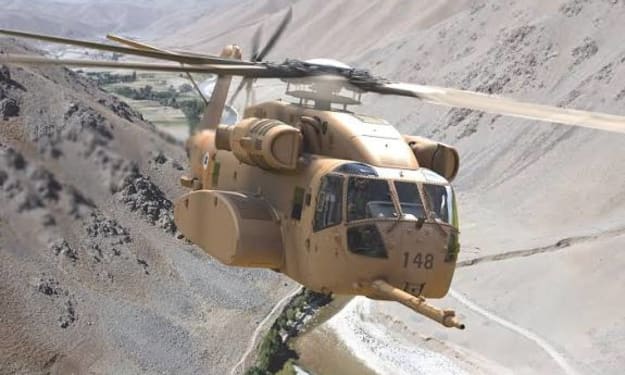
The Defense Ministry has signed a $130 million contract with Israeli defense firm Elbit Systems to supply advanced technologies for the Air Force’s fleet of heavy-lift helicopters, officials announced on Tuesday. The agreement is aimed at significantly upgrading the operational capabilities, survivability, and mission effectiveness of the military’s rotary-wing aircraft over the coming decade. Under the multi-year deal, Elbit will provide a package of avionics, electronic warfare systems, and mission-management technologies designed specifically for heavy transport helicopters used in combat and logistical operations. The ministry said the upgrades will ensure that the Air Force’s heavy choppers remain technologically relevant in an increasingly complex battlefield environment. “This agreement strengthens our strategic partnership with Elbit and ensures that our helicopter fleet is equipped with the most advanced technologies available,” a senior Defense Ministry official said. “These systems will enhance flight safety, operational flexibility, and survivability in hostile environments.” Modernizing an Aging Fleet The Air Force relies heavily on its fleet of heavy transport helicopters for troop deployment, medical evacuation, search-and-rescue missions, and logistical support in both peacetime and combat situations. Many of these aircraft have been in service for decades and require modernization to meet current operational requirements. Defense officials said the new systems will include state-of-the-art navigation and flight management computers, improved night-vision compatibility, and upgraded cockpit displays that provide pilots with real-time situational awareness. The helicopters will also receive enhanced self-protection suites, including radar warning receivers and countermeasure systems designed to detect and neutralize incoming threats. According to Elbit Systems, the technologies supplied under the contract will be based on modular architecture, allowing for future upgrades without major structural changes to the aircraft. This approach is intended to extend the operational lifespan of the helicopter fleet while reducing long-term maintenance costs. Focus on Advanced Battlefield Capabilities One of the key elements of the deal is the integration of advanced mission management systems that enable pilots and crew to process large amounts of data in real time. These systems will link the helicopters with other Air Force platforms and ground units, allowing for coordinated operations and improved decision-making during missions. “The modern battlefield is defined by information,” said an Elbit spokesperson. “Our technologies allow crews to see, understand, and act faster than ever before, even in highly contested environments.” Electronic warfare capabilities are also a central feature of the contract. The helicopters will be equipped with systems that can identify hostile radar signals and deploy countermeasures automatically, increasing their chances of surviving in areas threatened by surface-to-air missiles and small arms fire. Defense analysts say such upgrades are essential as non-state armed groups and regional adversaries acquire more sophisticated air defense systems. “Heavy transport helicopters are particularly vulnerable because of their size and flight profile,” said a retired Air Force officer. “Improving their defensive systems is a top priority.” Economic and Industrial Impact The $130 million contract is expected to generate significant economic benefits, including hundreds of skilled jobs in engineering, manufacturing, and system integration. Much of the work will be carried out at Elbit’s domestic facilities, supporting the local defense industry and strengthening national technological independence. Defense Ministry officials emphasized that investing in domestic defense firms ensures secure supply chains and reduces reliance on foreign contractors for critical military systems. “Elbit’s role in this project reinforces the importance of maintaining a strong and innovative local defense sector,” the ministry said in a statement. Elbit Systems, one of the country’s largest defense exporters, has seen rising global demand for its avionics and electronic warfare products. The company has supplied similar helicopter upgrade packages to air forces in Europe, Asia, and Latin America. Strategic Significance The contract comes amid heightened regional tensions and increased focus on military readiness. Defense planners have stressed the importance of ensuring that air assets can operate in contested airspace and support ground forces under fire. Heavy helicopters play a crucial role in rapid response operations, including inserting special forces, evacuating wounded soldiers, and transporting equipment to remote or hostile areas. Any failure or vulnerability in these platforms could have serious operational consequences. “Helicopters are often the first and last link between troops and safety,” said a military analyst. “Modernizing them is not a luxury; it’s a necessity.” The upgrades are also expected to improve flight safety during training and humanitarian missions, including disaster response and wildfire suppression. Officials noted that enhanced navigation systems and situational awareness tools could reduce the risk of accidents in difficult terrain and poor weather conditions. Oversight and Implementation The Defense Ministry said the program will be implemented in stages, with initial systems delivered within the next year. Installation and testing will be carried out in coordination with the Air Force and under strict quality and security standards. Parliamentary defense committees are expected to review the contract as part of routine oversight of major military expenditures. While the deal has drawn broad political support, some lawmakers have called for transparency regarding costs and timelines. Opposition figures have urged the ministry to ensure that the program does not exceed its budget and that the upgraded helicopters meet operational requirements. Looking Ahead The agreement with Elbit is part of a broader modernization effort across the armed forces, which includes upgrades to fighter jets, drones, and air defense systems. Defense officials said further investments in rotary-wing aircraft are likely in the coming years as technology evolves and new threats emerge. “Elbit’s advanced technologies will help ensure our Air Force remains prepared for the challenges of tomorrow,” the Defense Ministry statement said. “This contract is a significant step in safeguarding our operational superiority and protecting our personnel.” As work begins on the helicopter upgrades, military planners and industry leaders alike will be watching closely to see how the new systems perform in real-world conditions. The success of the project could shape future procurement decisions and reinforce the country’s position as a leader in defense technology development. For now, the $130 million deal signals a clear commitment to strengthening the Air Force’s heavy-lift helicopter fleet and maintaining technological edge in an increasingly unpredictable security landscape.
By Fiaz Ahmed Brohiabout a month ago in The Swamp
Nancy Pelosi Warns Press Freedom Is ‘Under Siege’ After Arrest of Journalist. AI-Generated.
Former U.S. House Speaker Nancy Pelosi has warned that press freedom is “under siege” following the arrest of a journalist in what she described as a troubling escalation of pressure on independent media and democratic institutions. Her comments come amid growing concern from civil liberties groups and lawmakers that journalists are increasingly being targeted for their reporting. Pelosi issued her warning after authorities detained a reporter covering a politically sensitive investigation, an incident that has drawn sharp criticism from press freedom advocates and sparked renewed debate over the treatment of journalists in the United States and abroad. “The free press is the guardian of our democracy,” Pelosi said in a statement. “When journalists are arrested for doing their jobs, it sends a dangerous message and undermines the constitutional principles that protect all of us. Press freedom is under siege, and we must not be silent.” Arrest Sparks Political Backlash The journalist was taken into custody while reporting on alleged misconduct involving senior public officials, according to media organizations familiar with the case. Law enforcement officials said the arrest was related to obstruction and failure to comply with police instructions, but critics argue the action was disproportionate and politically motivated. Video footage circulating online appeared to show the reporter being escorted away from the scene while identifying themselves as a member of the press. The outlet employing the journalist said they were clearly marked as media and had been performing their duties lawfully. Civil liberties groups quickly condemned the arrest, calling it an attack on press freedom and demanding the journalist’s immediate release. The Committee to Protect Journalists said the detention “raises serious concerns about the growing hostility faced by reporters covering controversial or politically sensitive issues.” Pelosi’s Warning on Democratic Norms Pelosi, who has long positioned herself as a defender of democratic institutions, linked the arrest to a broader pattern of pressure on journalists and public accountability. “This is not an isolated incident,” she said. “Across our country and around the world, reporters are being harassed, intimidated, and jailed for telling the truth. This moment calls for moral clarity and firm action from leaders of both parties.” She urged Congress to strengthen legal protections for journalists and reaffirm the importance of the First Amendment, which guarantees freedom of speech and of the press. Pelosi’s remarks echo earlier warnings from international organizations, including the United Nations and Reporters Without Borders, which have noted a decline in global press freedom over the past decade. Response From Authorities Law enforcement officials defended their actions, saying the arrest was not intended to target journalism but to maintain order at the scene of an ongoing investigation. “Our officers acted in accordance with established procedures,” a police spokesperson said. “The individual was detained after refusing repeated lawful orders to leave a restricted area.” However, media lawyers countered that journalists frequently work in challenging environments and that police must make special efforts to respect their role in documenting events of public interest. “Detaining a reporter who is clearly identified as press sets a dangerous precedent,” said a constitutional law expert. “It risks chilling investigative reporting and discouraging journalists from covering sensitive stories.” Growing Anxiety Among Journalists The incident has intensified concerns within the journalism community about safety and legal risks. Reporters’ unions and newsroom editors said they were alarmed by what they view as a shrinking space for independent reporting. “Journalists are not the enemy of the state,” said a spokesperson for a national press association. “They are essential to transparency and accountability. Arrests like this make our work more dangerous and less secure.” Several media organizations announced they were reviewing their safety protocols and legal support for reporters covering protests, court cases, and political investigations. Some journalists have pointed to an increase in threats, harassment, and legal pressure, both online and in physical settings. They argue that political rhetoric portraying the press as untrustworthy has contributed to a climate in which attacks on reporters are more easily justified. International Implications Pelosi also highlighted the international consequences of the arrest, warning that actions against journalists in democratic societies can embolden authoritarian governments elsewhere. “When a democracy fails to protect its press, it weakens its moral authority to speak out against repression abroad,” she said. Human rights groups echoed that concern, noting that governments in several countries have cited Western examples to defend their own crackdowns on media. “This is how norms erode,” said a senior researcher at a global rights organization. “Each incident makes it easier for others to justify even harsher measures.” Calls for Accountability Lawmakers from both parties have called for an independent review of the arrest. A bipartisan group of representatives said they would seek clarification from the Justice Department and local authorities about the circumstances surrounding the detention. Some have proposed legislation aimed at strengthening protections for journalists, including clearer guidelines for law enforcement interactions with the media and penalties for wrongful arrests. The journalist was later released pending further legal proceedings, according to their employer. The outlet said it would contest the charges and pursue legal action if necessary. A Test for Press Freedom The episode has become a symbol of broader anxieties about the state of press freedom in a polarized political environment. Analysts say that while isolated arrests may not indicate systemic repression, they can have powerful symbolic effects. “Democracy depends on scrutiny,” said a political scientist specializing in civil liberties. “If journalists fear arrest or retaliation, fewer stories get told, and the public becomes less informed.” Pelosi concluded her remarks with a call for vigilance and unity in defending democratic values. “We must stand with journalists who risk their safety to bring us the truth,” she said. “Our democracy is strongest when the press is free, fearless, and protected.” As investigations into the arrest continue, the case is likely to fuel ongoing debate about the balance between law enforcement authority and the constitutional rights of the press—an issue that remains central to the health of democratic societies worldwide.
By Fiaz Ahmed Brohiabout a month ago in The Swamp
Maersk Posts Ocean Loss, Cuts 1,000 Jobs as Container Boom Unwinds. AI-Generated.
A.P. Moller–Maersk, the world’s largest container shipping company, has reported a sharp loss in its ocean shipping division and announced plans to cut around 1,000 jobs as the extraordinary container shipping boom triggered by the pandemic continues to unwind. The Danish logistics giant said weakening demand, falling freight rates, and excess shipping capacity have hit profitability across its core ocean business, marking a dramatic reversal from the record earnings seen during the height of global supply chain disruptions. Maersk’s results reflect broader turbulence in the global shipping industry, which is struggling to adjust to slowing trade growth after years of unprecedented congestion and inflated shipping costs. From Windfall to Weakness During the pandemic, Maersk and its competitors benefited from soaring freight rates as lockdowns disrupted supply chains and consumers shifted spending toward goods rather than services. At the peak of the boom, Maersk posted historic profits and used the windfall to invest heavily in logistics, terminals, and digital services. Now, those conditions have reversed. Freight rates on major trade routes have dropped sharply as inventories normalize and demand softens in Europe and North America. At the same time, a wave of newly built container ships ordered during the boom has entered service, increasing capacity and intensifying competition. Maersk said its ocean division recorded a quarterly operating loss, citing “significant pressure on margins” and lower volumes across key routes between Asia, Europe, and the United States. “The container market has shifted from extreme tightness to oversupply in a very short period,” the company said in a statement. “We are now adjusting our cost base to reflect a more normalized demand environment.” Job Cuts and Cost Controls The company confirmed that around 1,000 positions will be eliminated globally, affecting both shore-based staff and certain operational roles. The layoffs are part of a wider cost-cutting program aimed at protecting profitability during what Maersk expects to be a prolonged period of weaker market conditions. Maersk employs more than 100,000 people worldwide. Management said the job reductions were “necessary but difficult” and would be carried out with support programs for affected employees. “These decisions are never taken lightly,” said chief executive Vincent Clerc. “But the market realities require us to act responsibly and ensure the long-term sustainability of the company.” In addition to layoffs, Maersk plans to slow hiring, reduce discretionary spending, and optimize vessel deployment by canceling or consolidating certain sailings where demand is weakest. Impact of Global Trade Slowdown The slowdown in container shipping mirrors wider trends in global trade. High inflation, rising interest rates, and geopolitical uncertainty have dampened consumer spending and industrial production in many major economies. Europe has been particularly affected by weak manufacturing output, while U.S. retailers have worked through excess inventories built up during the pandemic. China’s export growth has also slowed as global demand weakens. Industry analysts say the shipping sector is entering one of its most challenging phases in more than a decade. “We are seeing the hangover from the pandemic boom,” said a maritime economist. “Capacity has surged just as demand is cooling. That’s a classic recipe for falling rates and losses.” The Baltic Dry Index and other shipping benchmarks have shown volatility, but container rates remain far below their pandemic highs, squeezing margins for carriers that expanded aggressively. Strategic Shift Under Pressure Maersk has spent recent years trying to transform itself from a pure shipping line into an integrated logistics provider, offering end-to-end services including warehousing, air freight, and customs clearance. The company argues that diversification will help smooth earnings during shipping downturns. However, its logistics and services divisions have also faced pressure as customers cut costs and delay investments. Still, Maersk said those units remained profitable and provided some buffer against the ocean division’s losses. “Our strategy to build an integrated logistics platform remains unchanged,” Clerc said. “But we must adapt our cost structure to current market conditions.” Investor and Market Reaction Shares in Maersk fell following the earnings announcement, reflecting investor concern about the depth and duration of the shipping downturn. Analysts said the job cuts were expected but highlighted how quickly conditions have deteriorated. “Just two years ago, Maersk was reporting record profits and special dividends,” said a shipping sector analyst at a European bank. “Now the focus is on survival mode and protecting cash flow.” Competitors including MSC, Hapag-Lloyd, and CMA CGM have also warned of weaker earnings and begun implementing cost-saving measures, suggesting the downturn is industry-wide rather than company-specific. Uncertain Outlook Maersk warned that the container market is likely to remain volatile throughout the coming year. While geopolitical disruptions in the Red Sea and Panama Canal have occasionally tightened capacity and lifted rates, the company said these factors were not enough to offset the underlying oversupply. The firm expects demand growth for container shipping to remain modest, while capacity continues to expand as new vessels are delivered. “We do not foresee a rapid return to the conditions of 2021 and 2022,” the company said. “The market is undergoing a structural adjustment.” Human and Economic Consequences The layoffs underline how quickly fortunes can change in global shipping and how closely the industry is tied to the health of the world economy. Port workers, freight forwarders, and logistics firms are also bracing for slower activity as trade volumes soften. Labor unions have expressed concern about job security and called on shipping companies to manage restructuring responsibly. “Workers should not pay the price for market cycles driven by corporate overexpansion,” said a representative of a European maritime union. A New Phase for Shipping Maersk’s announcement marks a symbolic end to the pandemic-era container boom and the beginning of a more uncertain phase for the shipping industry. Companies that thrived during chaos must now compete in a crowded, low-margin environment once again. For Maersk, the challenge will be balancing cost discipline with its long-term ambition to become a global logistics powerhouse. As the company restructures and cuts jobs, its experience serves as a warning that the extraordinary profits of the pandemic years were an exception, not the new normal, in a business long known for sharp cycles and fierce competition. Whether Maersk’s strategy can shield it from future shocks will be closely watched by investors and rivals alike as the container industry navigates its most difficult period since before the pandemic.
By Fiaz Ahmed Brohiabout a month ago in Journal
Grave moment’: end of US-Russia nuclear pact comes at worst possible time, UN chief warns. AI-Generated.
The collapse of the last remaining nuclear arms control agreement between the United States and Russia has created what the United Nations secretary-general has called a “grave and dangerous moment” for global security, warning that the timing could not be worse amid escalating geopolitical tensions and ongoing conflicts. Speaking to reporters at UN headquarters, Secretary-General António Guterres expressed deep concern over the expiration of the New START treaty, which for more than a decade limited the number of deployed strategic nuclear warheads and provided verification measures between the world’s two largest nuclear powers. “The end of this agreement removes a vital pillar of international security at a time when trust is eroding and confrontation is rising,” Guterres said. “This is happening at the worst possible moment for humanity.” A Pillar of Arms Control Falls The New START treaty, signed in 2010, capped the number of deployed nuclear warheads and delivery systems on both sides and allowed for on-site inspections to ensure compliance. It was the last surviving remnant of Cold War-era arms control frameworks that once governed U.S.–Russian nuclear relations. Previous treaties such as the Intermediate-Range Nuclear Forces (INF) Treaty and the Anti-Ballistic Missile Treaty had already collapsed in recent years, leaving New START as the final mechanism restraining the world’s two biggest nuclear arsenals. With its expiration, there are now no legally binding limits on the number of strategic nuclear weapons either country can deploy. “This is uncharted territory,” said a senior arms control expert based in Geneva. “For the first time in decades, there are no formal constraints on the two nations that together possess nearly 90 percent of the world’s nuclear weapons.” Worsening Global Climate The end of the pact comes amid heightened hostility over the war in Ukraine and rising tensions between NATO and Moscow. Military exercises, nuclear rhetoric, and the suspension of diplomatic channels have contributed to fears of miscalculation. Guterres warned that the erosion of arms control increases the risk of misunderstanding and accidental escalation. “When communication breaks down and verification disappears, suspicion fills the vacuum,” he said. “That is how catastrophes begin.” Western officials argue that Russia’s actions in Ukraine and its suspension of participation in arms inspections undermined the treaty’s foundations. Moscow, in turn, has accused Washington of using arms control mechanisms for political pressure while expanding NATO’s military presence near Russian borders. Despite these accusations, analysts note that the treaty had largely continued to function even during periods of tension, serving as a stabilizing force. “The genius of arms control is that it works precisely when relations are bad,” said a former U.S. negotiator. “It creates predictability when politics cannot.” UN Alarm Over Nuclear Risks The UN chief’s warning reflects growing anxiety across the international community about a renewed nuclear arms race. Several countries are modernizing their arsenals, and new technologies such as hypersonic missiles and artificial intelligence are complicating deterrence strategies. Guterres said the world is now facing “a return to nuclear brinkmanship” at a time when cooperation is needed to address climate change, pandemics, and global inequality. “We are witnessing the dismantling of safeguards built over decades,” he said. “The cost of failure will be measured in human lives.” The UN has repeatedly called for renewed dialogue between Washington and Moscow, urging both sides to recommit to arms control and transparency. Diplomatic Deadlock Efforts to negotiate a replacement treaty have stalled. Officials on both sides blame political conditions and lack of trust for the failure to begin serious talks. A U.S. State Department spokesperson said Washington remains open to discussions on a new framework but insists that Russia must first demonstrate willingness to abide by international norms. Russian officials, meanwhile, have linked any future agreement to broader security concerns, including NATO expansion and U.S. missile defense systems. “There is no appetite for compromise right now,” said a European diplomat involved in disarmament talks. “The relationship is defined by confrontation, not cooperation.” China’s growing nuclear arsenal has also complicated negotiations. U.S. officials argue that future arms control must include Beijing, while China maintains that its stockpile is far smaller than those of the United States and Russia and does not require formal limits. Public and Expert Reaction Peace groups and nuclear watchdog organizations described the end of the treaty as a historic setback. Several called for urgent international pressure to restart negotiations. “This is a dark day for arms control,” said a representative of a global disarmament campaign. “Without rules, the temptation to expand arsenals will grow.” Military analysts also warned that the absence of verification mechanisms could lead to worst-case assumptions on both sides, increasing the likelihood of arms buildups and aggressive posturing. “When you cannot inspect, you imagine the worst,” said one security scholar. “That fuels competition and fear.” A Call for Leadership Guterres urged world leaders to act before the situation deteriorates further. He called for renewed dialogue, confidence-building measures, and recommitment to the principles of non-proliferation. “The alternative is a world with more nuclear weapons, less trust, and more danger,” he said. “This is not the future humanity deserves.” While there is little sign of immediate progress, diplomats say back-channel contacts may continue quietly. Some hope that future political changes could reopen the door to negotiations. For now, however, the expiration of the U.S.–Russia nuclear pact marks a profound shift in global security. As the UN chief warned, the disappearance of the last guardrail against nuclear escalation comes at a moment when the international system is under strain from war, rivalry, and uncertainty. Whether new safeguards can be built in time may determine the shape of global stability for decades to come.
By Fiaz Ahmed Brohiabout a month ago in The Swamp
Another Popular Port Mulls Cruise Ship Ban. AI-Generated.
A major tourist port is considering a ban on large cruise ships, reigniting a global debate over the environmental, economic, and social impact of mass tourism. Local authorities say the proposal is aimed at protecting fragile coastal ecosystems and easing pressure on overcrowded city infrastructure, but the move has drawn criticism from cruise operators and businesses that rely on visitor spending. The port, which welcomes hundreds of thousands of cruise passengers each year, has become the latest destination to reassess its relationship with the booming cruise industry. Officials confirmed that a formal review is underway to determine whether restrictions or an outright ban on cruise vessels should be introduced within the next two years. Growing Concerns Over Overcrowding Residents and environmental groups have long complained that cruise tourism brings more disruption than benefit. On peak days, several ships can arrive simultaneously, unloading thousands of passengers into narrow streets and historic districts within hours. “The city becomes unlivable when the ships come in,” said a local shop owner who supports the ban. “Public transport is overwhelmed, waste increases, and emergency services struggle to cope.” Urban planners say cruise tourism differs from other forms of travel because it concentrates visitors into short time windows. Unlike hotel guests who stay for several days, cruise passengers often spend only a few hours in port, limiting their economic contribution while still placing heavy demands on public services. A municipal report found that cruise ship arrivals accounted for nearly 40 percent of daily tourist traffic during the summer months, contributing significantly to congestion, air pollution, and rising rents in nearby neighborhoods. Environmental Impact in Focus Environmental concerns are central to the proposal. Cruise ships burn large quantities of marine fuel and emit sulfur dioxide, nitrogen oxides, and fine particles that affect air quality. They also generate wastewater and solid waste that can harm marine ecosystems if not carefully managed. Marine biologists warn that coral reefs and coastal habitats near the port are already under stress from rising sea temperatures and pollution. “Adding thousands of tons of emissions and waste every season only accelerates the damage,” said one environmental researcher. Studies commissioned by the local government found that a single cruise ship can emit as much particulate pollution in one day as tens of thousands of cars. The report concluded that limiting or banning cruise traffic would significantly improve air quality in surrounding residential areas. Economic Divisions The proposal has exposed deep divisions within the business community. Hotel owners, tour guides, and souvenir vendors argue that cruise passengers bring vital income and support thousands of jobs. “A ban would be devastating,” said a representative of the tourism chamber. “Cruise visitors may stay for a short time, but collectively they spend millions each year on excursions, restaurants, and local products.” However, critics counter that much of the money goes back to cruise companies rather than local businesses. Passengers often eat and sleep on board, reducing spending in the city. Some tour operators are contracted directly by cruise lines, leaving smaller independent businesses struggling to compete. An economic impact assessment showed that cruise tourism accounted for less than 8 percent of overall tourism revenue while contributing disproportionately to congestion and infrastructure costs. Lessons From Other Cities The debate mirrors similar moves in other global destinations. Venice banned large cruise ships from its historic lagoon, citing damage to fragile foundations and environmental risks. Amsterdam recently announced plans to restrict cruise arrivals as part of efforts to curb mass tourism and reduce emissions. “These decisions show a shift in how cities think about tourism,” said a policy analyst specializing in urban sustainability. “The focus is moving from volume to value—fewer visitors who stay longer and spend more responsibly.” Supporters of the ban argue that the port can reposition itself as a destination for eco-tourism and cultural travel rather than mass cruise traffic. They say investments in rail links, small-scale ferries, and longer-stay tourism could create a more balanced and sustainable economy. Political Pressure Builds The proposal is expected to be debated in the city council later this year. Several council members have voiced support for strict limits on cruise ships, while others warn of legal challenges from shipping companies. Cruise operators have already signaled they may contest any ban, arguing that ports benefit from long-term contracts and infrastructure investments made by the industry. In a statement, one major cruise line said it was “committed to working with local authorities to reduce environmental impact through cleaner fuels and improved waste management.” The company added that banning ships would harm workers and reduce tourism competitiveness. Meanwhile, citizen groups have begun organizing protests and petitions calling for decisive action. One campaign group gathered more than 50,000 signatures in support of a ban within weeks. “This is about our right to clean air and livable streets,” said an organizer. “Tourism should not come at the cost of our health.” What Happens Next Officials say several options are under review, including limiting the number of ships per day, banning vessels above a certain size, or imposing higher environmental fees. A complete ban remains one of several scenarios under consideration. The port authority plans to publish its final recommendations after consulting residents, businesses, and environmental experts. A decision is expected by early next year. A Turning Point for Cruise Tourism The case reflects a broader reckoning for the cruise industry, which has rebounded strongly after the pandemic and is expanding its global fleet. Yet as ships grow larger and cities grow more crowded, resistance is mounting. For the port now considering a ban, the choice will shape its future identity—either as a hub for mass tourism or as a model for sustainable travel. “The question is not whether tourism should exist,” said one city planner. “It is what kind of tourism we want.” As communities worldwide confront the pressures of climate change and overcrowding, the debate over cruise ships is likely to intensify. Whether this port joins others in closing its doors to large vessels may signal a turning point in how destinations balance economic gain with environmental responsibility and quality of life.
By Fiaz Ahmed Brohiabout a month ago in The Swamp