
Royal Snub in London: Woman Ignores Prince William and Kate Middleton
A public encounter in London drew attention after a woman reportedly ignored the royal couple, highlighting changing social dynamics and public reactions to the monarchy.

Introduction
A recent incident in London captured public attention when a woman reportedly ignored Prince William and Kate Middleton, members of the British royal family. The event took place during a public appearance, sparking discussions on social norms, public expectations, and the role of the monarchy in modern society.
The story was covered by The News International and other media outlets, generating debate across social media and public forums. While the monarchy remains a symbol of British tradition, moments like these highlight the evolving relationship between royals and the public.
This article examines the incident, reactions from witnesses, the historical context of royal interactions, and the wider implications for public engagement with the royal family.
The Incident in London
According to reports, the encounter occurred during a public event in central London. The royal couple was greeting attendees and engaging with the public, as is customary during official appearances.
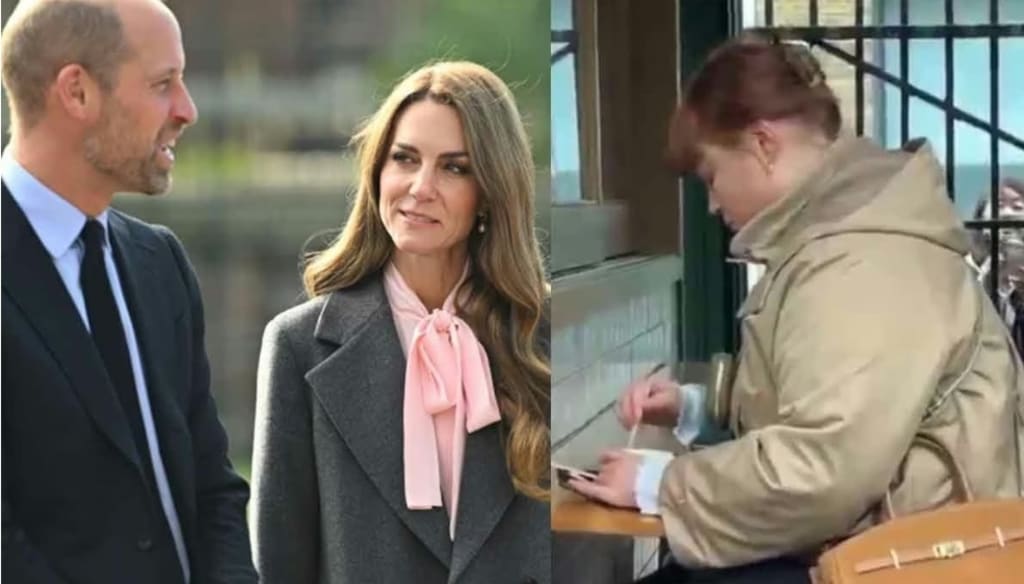
A woman in the crowd reportedly walked past without acknowledging Prince William and Kate Middleton, ignoring their presence entirely. Eyewitnesses described the moment as unusual, noting that most attendees typically show respect or greet royals in public appearances.
While some observers interpreted the action as a deliberate snub, others suggested it might have been accidental or unintentional. The incident was brief but quickly became a topic of media coverage due to the prominence of the royal couple.
Public Reactions
The public response to the incident was mixed. On social media platforms, some commentators expressed surprise, while others defended the woman’s right to ignore the royals if she wished.
Fans of the royal family expressed disappointment, noting that the monarchy often engages in public appearances to connect with citizens. They argued that such gestures deserve acknowledgment, if only as a sign of respect.
Others highlighted that public figures, including royals, do not have an automatic claim to recognition or interaction from every member of the public. The debate sparked broader discussions about civility, public etiquette, and personal choice in crowded spaces.
Historical Context of Public Engagement
Public interactions with the British monarchy have a long and complex history. For centuries, royals have participated in ceremonial events, parades, and charity functions, providing opportunities for citizens to engage with them directly.
Historically, the public’s reactions ranged from enthusiastic support to indifference or protest. Royal tours and appearances often drew large crowds, with fans hoping for photographs, handshakes, or personal greetings.
Instances of visible snubs or avoidance are not new. However, they tend to attract media attention because they deviate from the expected pattern of public recognition. In this case, the incident in London reflects contemporary attitudes toward the monarchy and evolving social norms.
Role of Media Coverage
Media outlets, including The News International, reported on the incident with a focus on public reactions and the symbolic nature of the event. Coverage emphasized the contrast between the couple’s customary greeting and the woman’s response.
Social media amplified the story, allowing individuals to share opinions, memes, and commentary. Some analysts noted that such coverage highlights the tension between traditional respect for royalty and modern attitudes toward personal choice.
Journalists also noted the broader context of the royal family’s visibility, including ongoing debates about monarchy relevance, media scrutiny, and public accountability.
Sociological Perspective
From a sociological perspective, moments like this offer insight into public behavior and social expectations. People may respond differently to authority figures, celebrities, or symbolic leaders depending on personal beliefs, cultural norms, or social pressures.
Ignoring a prominent figure can be interpreted in multiple ways: as an expression of personal independence, a critique of public institutions, or simply an oversight in a crowded setting. Sociologists suggest that such actions are part of broader societal shifts in how authority, tradition, and public figures are perceived.
The incident in London serves as a case study in social interaction, illustrating the balance between public spectacle and individual agency.
Impact on the Royal Family
While the event was brief, it raises questions about the royal family’s public image and engagement strategies. Members of the monarchy often rely on public appearances to foster goodwill, support charitable causes, and maintain visibility in society.
A visible snub, even by a single individual, may attract media attention but is unlikely to have long-term effects on the monarchy’s standing. However, it does signal the need for the royal family to navigate changing public attitudes and heightened scrutiny in both traditional and digital media.
Public Expectations and Etiquette
Public interactions with royals often involve unwritten expectations about respect, politeness, and engagement. In many cases, attendees anticipate gestures such as handshakes, waves, or brief conversation.
Etiquette experts note that while acknowledging royals is customary, there is no legal or moral obligation to do so. Personal choice and context play significant roles in determining behavior during public events.
The incident in London highlights this tension between societal expectation and individual autonomy, prompting discussion about appropriate behavior and respect in public spaces.
Social Media and Public Debate
Social media platforms played a major role in shaping the narrative around the incident. Posts, comments, and threads quickly circulated, offering diverse interpretations.
Some users criticized the woman, suggesting that ignoring royals is disrespectful. Others defended her, emphasizing freedom of choice and the idea that public figures should not demand recognition.
The debate reflects larger conversations about civility, freedom of expression, and the role of social media in amplifying minor events. Online platforms often magnify such incidents, turning brief encounters into widely discussed topics.
Broader Implications for the Monarchy
Incidents like this highlight the evolving relationship between the monarchy and the public. While historical traditions emphasize ceremonial respect and public engagement, modern attitudes reflect diversity in perspectives, priorities, and cultural norms.
The royal family must continue balancing visibility with sensitivity to public sentiment. Understanding that not all interactions will conform to expectations is part of maintaining a modern and relatable image.
This episode also underscores the importance of media literacy, critical thinking, and measured reporting to prevent disproportionate attention to minor public interactions.
Expert Commentary
Historians and social analysts note that the monarchy has always been subject to public scrutiny. High-profile encounters, even brief ones, can become symbols of wider social attitudes.
Experts suggest that such moments are valuable for understanding trends in public perception, highlighting areas where traditional expectations may clash with modern social norms.
In practical terms, the incident is unlikely to affect the royal family’s operational plans, public engagements, or broader societal standing. It does, however, provide insight into contemporary public behavior and media influence.
Lessons for Public Events
Organizers of public events featuring prominent figures often emphasize crowd management, security, and interaction etiquette. They also anticipate a range of public responses, from enthusiastic engagement to indifference or avoidance.
The incident involving Prince William and Kate Middleton highlights the need for realistic expectations. Public figures cannot control every interaction, and minor deviations from protocol are natural.
For attendees, this serves as a reminder that public engagement involves both opportunity and discretion, and individuals may exercise choice in how they participate in crowded or high-profile events.
Conclusion
The reported snub of Prince William and Kate Middleton in London provides a snapshot of the changing dynamics between public figures and society. While the incident attracted media attention, it also highlights broader themes of personal choice, public behavior, and evolving social norms.
The monarchy continues to play a symbolic and ceremonial role, relying on public appearances to maintain visibility and engagement. At the same time, individuals increasingly exercise autonomy in how they respond to symbolic authority.
As media coverage amplifies such events, it is important to consider context, intention, and the broader patterns of social behavior. For historians, sociologists, and the public, incidents like these serve as opportunities to reflect on civility, respect, and the balance between tradition and modern public life.
The London incident is not likely to change the monarchy’s influence or standing, but it does contribute to ongoing conversations about the relationship between royals, citizens, and media representation in contemporary society.
About the Creator
Saad
I’m Saad. I’m a passionate writer who loves exploring trending news topics, sharing insights, and keeping readers updated on what’s happening around the world.
A Gathering of Evil Bosses
“I’m the queen of chin jutting while I smooth my hair, attacking, insulting, and deflecting to protect my appointer.” “Oh, please, Blondi, my hair is curled, highlighted, and longer than yours. I feature television commercials telling immigrants that we will give them a free plane ride home, and if they voluntarily turn themselves in, they will be allowed to legally apply for re-entry. It runs everywhere, and I look good in it! You can’t compete because of your blond hair. Mine is nicer, and my lips are prettier than yours.”
By Andrea Corwin 23 days ago in The Swamp




Comments
There are no comments for this story
Be the first to respond and start the conversation.