
Citibank Closes UAE Offices Amid Regional Tensions and Banking Concerns
Developments linked to security concerns in the Gulf raise questions about financial operations in the Dubai International Financial Centre and the wider regional banking environment

Introduction
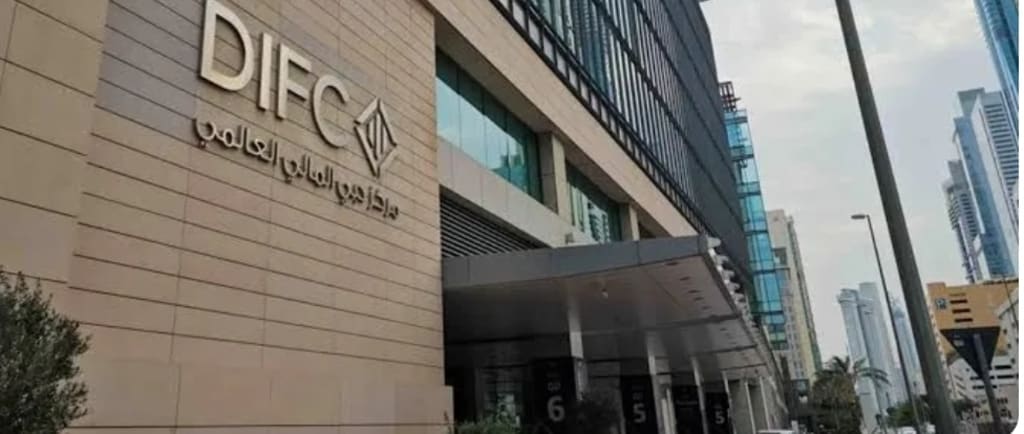
Financial institutions in the Gulf region closely monitor political and security developments that could affect business operations. Recently, reports highlighted that Citibank closed certain offices in the United Arab Emirates as regional tensions increased. The move attracted attention because the UAE is home to major financial hubs such as the Dubai International Financial Centre (DIFC).
The issue was discussed in reports from Middle East Monitor and other international media sources. The reports linked the decision to security concerns connected with regional tensions involving Iran and the wider Gulf region.
Banks operating in global financial centers must consider risk management and staff safety when political tensions rise. This situation provides an example of how geopolitical developments can influence financial institutions and business decisions.
The Role of DIFC in Global Finance
The Dubai International Financial Centre is one of the most important financial hubs in the Middle East. Since its establishment, DIFC has attracted banks, investment firms, insurance companies, and financial service providers from around the world.
The center connects markets across Asia, Europe, and Africa. Because of its strategic location, it often serves as a bridge between Western financial institutions and emerging markets in the region.
DIFC also operates under its own regulatory system designed to meet international financial standards. This structure has helped it gain recognition as a trusted location for international banking and investment activities.
As a result, many global banks maintain offices within the DIFC complex or in nearby financial districts across the United Arab Emirates.
Citibank’s Presence in the UAE
Citibank has operated in the UAE for many years. The bank provides services to corporate clients, investors, and government institutions.
In addition to offering traditional banking services, Citibank plays a role in international trade finance, investment management, and regional financial transactions.
Because the UAE is a key hub for business activity in the Gulf, many multinational banks use it as a regional base for operations across the Middle East.
Changes to office operations in the UAE therefore draw attention from both the banking sector and global financial observers.
Reports of Office Closures
Recent reports stated that Citibank closed certain UAE offices temporarily as security concerns increased in the region.
The reports suggested that threats connected with regional tensions involving Iran may have contributed to the decision. Financial institutions often review their operational plans when geopolitical risks increase.
Closing or temporarily relocating offices can be part of standard precautionary measures. These steps may involve adjusting staffing levels, limiting physical access to offices, or encouraging remote work.
Banks usually take such actions to ensure the safety of employees while maintaining critical financial services.
Regional Tensions and Financial Stability
Political tensions in the Middle East can influence financial markets in several ways. Banks and investors often react quickly to developments that could affect regional stability.
Security concerns may influence investment decisions, currency markets, and business confidence. Financial institutions therefore maintain close monitoring systems that track geopolitical developments.
In the Gulf region, economic stability is strongly connected to energy exports and international trade. When tensions rise, financial organizations review their exposure to risk and adjust operational strategies accordingly.
The recent developments involving Citibank highlight how closely financial institutions follow political and security conditions.
Impact on Banking Operations
When banks modify operations because of security concerns, the changes can affect several areas of financial activity.
Corporate clients may experience adjustments in service locations or communication channels. However, banks usually maintain digital systems that allow financial transactions to continue without interruption.
Modern banking infrastructure allows many services to operate remotely. Online platforms, electronic payment systems, and secure communication tools help ensure that clients can still access financial services even if physical offices close temporarily.
For this reason, short-term office closures do not necessarily mean a major disruption to banking operations.
Importance of Risk Management in Banking
Risk management is a core responsibility for global financial institutions. Banks regularly evaluate threats that could affect their employees, customers, and operations.
These threats may include financial risks, cybersecurity issues, natural disasters, and geopolitical tensions.
When risk levels increase, banks activate contingency plans designed to protect both personnel and financial assets.
The steps may include relocating staff, increasing security measures, or temporarily reducing office activity.
Such decisions are usually made after careful assessment by corporate security teams and senior management.
The Gulf as a Financial Hub
Despite periodic regional tensions, the Gulf region remains an important center for international finance.
Cities such as Dubai, Abu Dhabi, Doha, and Riyadh have developed modern financial infrastructure and strong regulatory frameworks.
These cities attract global investors because they offer access to energy markets, large infrastructure projects, and growing trade networks.
The UAE in particular has invested heavily in building financial institutions and economic zones that support international business.
The presence of global banks within DIFC reflects the region’s continuing importance in global finance.
Reactions From the Financial Sector
Developments involving major banks often lead to discussions within the financial community.
Industry experts typically examine whether such actions represent temporary precautions or signals of broader economic changes.
In many cases, financial institutions clarify that operational adjustments are routine safety measures rather than long-term strategic changes.
Investors and analysts usually focus on whether the situation could affect regional banking confidence or capital flows.
So far, the available information suggests that the closures were precautionary rather than permanent.
Maintaining Confidence in Financial Systems
Confidence is essential for financial systems to function effectively. Governments, regulators, and banks all work to maintain stability even when external risks appear.
Financial hubs like DIFC depend on trust from investors and global partners. Clear communication about operational changes helps prevent misunderstandings in the market.
Banks also cooperate with local authorities to ensure that financial services continue operating smoothly.
This coordination is important for maintaining economic activity and protecting the reputation of major financial centers.
The Role of International Media
Reports about financial developments often come from international news organizations. Media coverage helps investors and the public understand how global events may affect financial markets.
Publications such as Middle East Monitor and other international outlets provide updates on regional developments that influence economic activity.
However, banking decisions are usually based on internal assessments rather than media reports alone.
Financial institutions rely on multiple sources of information, including security analysis, government advisories, and market data.
Looking Ahead
The future of banking operations in the Gulf will depend on both economic conditions and regional stability.
Financial institutions are likely to continue monitoring developments closely while maintaining strong contingency planning.
The UAE and its financial centers have developed systems that support resilience during periods of uncertainty.
As long as international trade and investment remain active in the region, financial hubs such as DIFC will continue playing a central role in global finance.
Banks operating in the region will balance risk management with the need to maintain services for international clients.
Conclusion
The reported closure of certain Citibank offices in the UAE highlights the connection between geopolitics and global banking operations.
Financial institutions must consider security conditions when operating in regions where political tensions occasionally arise.
The presence of major financial centers such as the Dubai International Financial Centre shows the continued importance of the Gulf region in global finance.
While precautionary measures may sometimes lead to temporary operational changes, modern banking systems are designed to ensure continuity of services.
By maintaining strong risk management practices and close cooperation with regulators, international banks can continue supporting financial activity even during periods of uncertainty.
For investors, businesses, and policymakers, these developments serve as a reminder that global finance operates within a broader political and economic environment that constantly evolves.
About the Creator
Saad
I’m Saad. I’m a passionate writer who loves exploring trending news topics, sharing insights, and keeping readers updated on what’s happening around the world.
Parallel Protests
I haven't written for quite some time, but I have A LOT of thoughts about yesterday's protest rally against our government's involvement and complicity in America's war on Iran, on the harbourside of my home city Bristol, and I need to put them somewhere. My gorgeous girlfriend is always a loving and listening ear and sharing it all with her will always be a healthy and happy way of processing the mental and emotional weight, but getting it straight in my brain to share means writing it all down in straight lines, so, here we are and thanks for being here.
By Steph Cole10 days ago in The Swamp
Tater Tots and Transgender Penguins:
I have my first cup of coffee for the day in hand, and my laptop on the coffee-table in front of me, opened to my favorite government tracking site: https://www.govtrack.us/. I’m settled into my favorite spot on the couch, with Kai my 2-year old Golden Retriever and trusty research partner next to me, just a couple of political junkies, who are cruising the internet, and looking for a political good-time. Ok... I'm the political-wonk... Kai's just there for the treats and belly-rubs... and then we find what we're looking for.
By Meko James about 15 hours ago in The Swamp



Comments
There are no comments for this story
Be the first to respond and start the conversation.