Latest Stories
Most recently published stories in Longevity.
End of the Line: What Happens to Old Cruise Ships. AI-Generated.
Cruise ships are among the most recognizable symbols of leisure travel — enormous floating hotels that host thousands of passengers on vacations across the globe. But like all machines, they eventually reach a point when they can no longer operate profitably or safely. When that time comes, cruise ships face a stark reality: a long final voyage to dismantling yards where they are stripped, scrapped, and recycled. Why Cruise Ships Are Retired Cruise ships are retired for a number of reasons. Over time, they experience wear and corrosion, mechanical systems become outdated, and newer vessels with more efficient engines, amenities, and environmental technologies make older ships less competitive. Ships may also be decommissioned because meeting modern safety or emissions regulations becomes too costly relative to their value. When owners decide a vessel has reached the end of its economic life, it is often sold to intermediaries who resell it to ship breaking firms. These buyers determine the most cost‑effective way to recoup value from the ship’s components and materials. The Final Voyage to the Breaking Yard Most retired cruise ships make their final journey under their own power or are towed from their last port to one of the world’s major ship breaking yards. These facilities are concentrated primarily in South Asia — especially in India, Pakistan, Bangladesh, and Turkey — where large tidal beaches or specialized dry docks make ship dismantling possible. One of the largest and most well‑known is the Alang Ship Breaking Yard in India, which has handled a vast number of decommissioned ships over the decades. Here, vessels are deliberately run aground on a tidal beach in a process known as “beaching.” The rising tide lifts the ship close enough to shore that it can be worked on as the tide recedes. Other yards, such as Gadani in Pakistan and recycling facilities in Aliağa, Turkey, also receive retired cruise ships, where dismantling is carried out either on beaches or more controlled slipways using cranes and mechanical tools. Cruise Hive Shipbreaking: A Labor‑Intensive Process Once a ship arrives at a yard, any salvaged equipment is removed first — everything from furniture, fittings, fixtures, and even electrical components can be sold or reused. Small retailers often purchase these items locally, making a living by selling ship artifacts and materials. Then begins the painstaking dismantling phase. Workers using torches and cutting tools slice through the ship’s superstructure and hull, gradually reducing the massive vessel to its core materials. This process is labor‑intensive and can take months, during which steel plates, pipes, and other materials are separated and prepared for recycling. The vast majority of the ship’s steel and metal components are recycled — melted down and re‑rolled for use in construction, manufacturing, and other industries. As much as 85–90 % of the material from decommissioned ships is salvaged this way. Environmental and Safety Concerns Ship scrapping has long been associated with environmental and labor challenges. Older vessels often contain hazardous materials such as asbestos, heavy metals, toxic paints, and oils. Without proper safeguards, these substances can contaminate soil, coastal waters, and air, posing risks to nearby communities and ecosystems. Workers in traditional breaking yards sometimes operate with minimal protective equipment, increasing the risk of serious injuries and chronic health problems. Recognizing these hazards, the Hong Kong Convention for the Safe and Environmentally Sound Recycling of Ships was adopted to improve safety and environmental practices in ship recycling facilities worldwide. Though adopted years ago, it only entered force recently, and implementation varies among ship breaking locations. Facilities in Turkey’s Aliağa zone have invested in more modern recycling methods, using dry docks and mechanical equipment to reduce direct contact with hazardous materials and limit environmental impact — but such practices are still not universal. Alternative Futures for Retired Ships Not all cruise ships end up scrapped. Some are sold to other cruise lines or repurposed for other uses. A few historic vessels have been transformed into floating hotels, museums, or tourist attractions — preserved as monuments to maritime history rather than dismantled. However, these alternative futures are rare, and the vast majority of cruise ships end their days on the beaches of recycling yards, cut apart and reborn as steel and materials that fuel other industries. In that sense, even in retirement, these massive vessels continue to make an impact long after their final passengers disembark.
By Fiaz Ahmed 4 days ago in Longevity
Budget Cuts at Environment and Climate Change Canada Threaten Arctic Science. AI-Generated.
Canada’s Arctic has long been recognized as a frontline of climate change, geopolitical competition, and environmental transformation. But while global attention often focuses on melting ice, territorial claims, and resource access in the North, a quiet but deeply consequential crisis is unfolding that could seriously weaken Canada’s scientific leadership in the Arctic. That crisis stems not from external forces, but from domestic budget cuts at Environment and Climate Change Canada (ECCC) — the federal department responsible for environmental science, policy, and monitoring. In recent federal budget planning, the government announced a plan to reduce the size of the public service by about 15 % over three years, a move that will affect many departments — including ECCC. Under these cuts, more than 800 positions at ECCC could be reduced or eliminated, raising alarms among scientists, Indigenous leaders, and environmental advocates about the future of Arctic research in Canada. ECCC’s Arctic Science Role at Risk For decades, ECCC scientists have been at the center of international Arctic environmental research. They play leading roles in the Arctic Monitoring and Assessment Programme (AMAP) — a key working group of the Arctic Council that brings together scientists from Arctic states to monitor contaminants, climate change trends, and ecosystem health. Canadian researchers have served as chapter leads on more than 20 major international assessment reports on pollutants like mercury and persistent organic chemicals, generating data essential not only for domestic policy but for global treaties such as the Stockholm Convention on Persistent Organic Pollutants and the Minamata Convention on Mercury. But with staffing reductions looming, many of these specialized research roles — including those that lead long‑term monitoring of toxins in Arctic wildlife — are at risk. Some scientists may lose their jobs entirely, while critical responsibilities could fall to non‑specialists or be dropped altogether. Without these experts, Canada’s ability to detect and interpret emerging chemical threats in the Arctic — from “forever chemicals” (per‑ and polyfluoroalkyl substances) to new contaminants — could be severely impaired. Perhaps even more damaging is the potential loss of long‑term data collection. Some Arctic datasets maintained by ECCC span decades, tracking trends in pollutant levels, climate drivers, and wildlife health. These datasets are unique — few countries or institutions possess such extended records of environmental change in the North. Should monitoring programs be discontinued, these archives could be lost or rendered incomplete, eroding the basis for science‑based policy and international treaty commitments. Impacts on Policy, Law, and Environmental Governance The repercussions of these cuts extend well beyond scientific circles. Scientific evidence generated by ECCC underpins environmental law and policy in Canada and internationally. In Canada, the Canadian Environmental Protection Act and various risk‑management frameworks rely on expert assessments to identify harmful substances and regulate their use. If the scientific infrastructure that informs these laws is weakened, policymakers may lack the evidence needed to make effective decisions — leading some critics to argue that Canada risks being seen as a laggard in environmental governance. Internationally, ECCC’s work bolsters Canada’s credibility as a committed Arctic nation. In forums like the Arctic Council and global environmental treaties, Canadian scientists’ contributions influence global norms, research collaborations, and shared understanding of planetary change. Budget cuts that diminish Canadian participation could reduce its influence in these arenas at a time when Arctic geopolitics is intensifying with interests from Russia, China, and other global powers. Consequences for Indigenous Communities The cuts have real implications for Indigenous peoples in the Arctic. Many Indigenous communities depend on local ecosystems for food, culture, and livelihood — yet they also experience disproportionate exposure to environmental contaminants compared with southern populations. For example, blood mercury levels in some Inuit communities remain significantly higher than the national average, in part because mercury accumulates in traditional subsistence foods such as fish and marine mammals. Without ongoing research and monitoring, science‑based guidance on exposure risks and mitigation strategies could be severely weakened, raising concerns around environmental justice for communities already vulnerable to climate change impacts. The Broader Debate: Science, Budgets, and Priorities Defenders of the cuts argue that government spending must be disciplined and reprioritized to boost economic growth, support infrastructure goals, or strengthen national defense. Yet scientists, public servants, and civil society groups warn that undermining environmental science undercuts Canada’s capacity to protect both its environment and its people. As one union leader warned in discussions about public service reductions, these are “real science being cut,” with implications for everything from weather forecasting to ecosystem health. The coming months will determine how deeply these cuts are felt, but already there is concern that Canada’s historic leadership in Arctic science may be diminishing at a moment when the Arctic itself is undergoing rapid and potentially irreversible change.
By Fiaz Ahmed 4 days ago in Longevity
The Power of Black Coffee: Benefits, Nutrients, and Uses (Heath Tips)
Introduction: Black coffee is one of the most popular drinks in the world. Millions of people enjoy it every day, especially in the morning, because it helps them feel fresh, active, and focused.
By Health Tips5 days ago in Longevity
The Connection Between ADHD and Genetics.
Commentary An Impulsive Gene? My youngest son jumps from one task to another. Ask him to clean his room, he eventually quits because he becomes fixated on something. He can’t sit still for long. On the other hand, when he’s doing something he likes, he is fixated on it, sometimes barely taking in his surroundings or listening to others.
By Dean Traylor6 days ago in Longevity
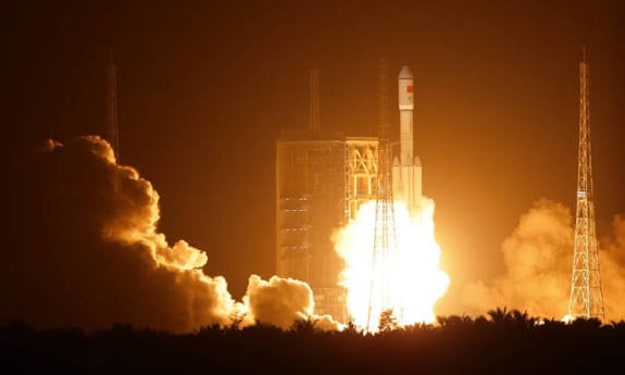
How China Is Challenging the U.S. to Become the Next Great Space Power. AI-Generated.
As Beijing’s space ambitions expand, Washington faces an intensifying geopolitical and technological rivalry in orbit and beyond. In the early decades of the 21st century, the United States long stood unchallenged as the dominant space power — a position built on decades of NASA leadership, unmatched launch capability, and a vibrant commercial space economy. But today, a determined China is mounting one of the most consequential strategic challenges in space since the Cold War, pushing to rival — and ultimately surpass — the U.S. in space influence, technology, and strategic advantage. National Strategy and Long‑Term Vision China’s leaders have openly signaled their ambition to become a global space powerhouse. Official space policy documents and state planning envision a broad array of capabilities — from heavy‑lift rockets to lunar exploration — aimed at reshaping the space order that has been U.S.‑dominated for decades. According to analyses of government planning, Beijing intends to establish a full suite of launch vehicles, satellites, and space infrastructure that could surpass current international norms by mid‑century. Underpinning this vision is a belief among Chinese space officials that self‑reliance and indigenous innovation are key to international competitiveness. Recent reports in state media emphasize that China’s aerospace industry is pushing far beyond imitation toward original technological breakthroughs in areas like rocket manufacturing, intelligent space systems, and advanced materials — all with the strategic goal of securing leadership in space. Commercial Space: From Government Giants to Private Innovators China’s rapid ascent isn’t limited to state space agencies. A growing ecosystem of private space companies — much like the commercial boom seen in the U.S. — has taken root, focusing on reusable rockets, satellite networks, and novel space services. A recent South China Morning Post report highlights Beijing’s push to encourage private innovation within its space sector, supporting technologies such as reusable launch vehicles, space debris monitoring, extraterrestrial resource utilization, and even in‑space biomanufacturing — fields long dominated by U.S. firms such as SpaceX or Blue Origin. This commercial expansion broadens China’s capabilities and compresses the technological gap with the U.S., challenging American assumptions that commercial innovation is exclusively an American forte. It also signals a shift in global space economics, where China may soon contend for commercial markets once dominated by Western companies. Military and Strategic Dimensions Alongside civil and commercial ambitions, China’s space strategy has clear military implications. U.S. strategic assessments note Beijing’s efforts to build counterspace capabilities — systems designed to deter, deny, or degrade another nation’s satellite operations — a key advantage in future conflicts. China has already deployed anti‑satellite weapons, jamming technologies, and sophisticated ground‑to‑space radar systems that could threaten U.S. space assets in a crisis. For the United States, which relies heavily on space systems for communication, navigation, and battlefield awareness, these capabilities represent a serious strategic challenge. Beijing’s ability to field space and counterspace technologies could blunt some of Washington’s military advantages in the Asia‑Pacific region and beyond. Lunar and Deep Space Objectives China’s Chang’e lunar exploration program is another marker of its space ambitions. With a series of increasingly complex robotic missions and plans for an International Lunar Research Station by the 2030s, Beijing aims to be a leading voice in lunar science and development — directly challenging the U.S. Artemis program and international partnerships spearheaded by NASA. � Wikipedia Missions like the strategically significant Queqiao‑2 communications relay satellite, which supports lunar missions over long distances, further demonstrate China’s growing sophistication in deep space operations and infrastructure deployment. U.S. Response: Maintaining Leadership Recognizing the challenge, U.S. policymakers are pushing legislative and strategic initiatives designed to preserve American competitiveness in space. A newly passed NASA authorization package includes provisions aimed at reinforcing U.S. lunar presence, strengthening Earth orbit assets, and countering Chinese influence in space science and technology — signaling a bipartisan consensus on the gravity of the space rivalry. A New Era of Cosmic Competition The emerging science and technological competition between China and the United States in space is unlike anything seen since the original Moon race. Today’s contest spans not only national prestige but military advantage, commercial opportunity, and scientific discovery. As each side pursues its vision of space dominance, the outcome will shape global power structures for decades to come — affecting diplomacy, security, and economic leadership both on Earth and beyond. If you’d like alternative versions, transcripts, or a set of headline + subtitle options for this topic, just let me know!
By Fiaz Ahmed 6 days ago in Longevity
UK Sees Highest Temperature of the Year, Snow and Blood Rain in Last 48 Hours. AI-Generated.
From warmest day so far to Saharan dust showers and hill snow — Britain’s weather has swung dramatically this week. In a remarkable turn of meteorological events, the United Kingdom has experienced an extraordinary mix of weather over the past 48 hours — recording its highest temperature of the year, followed by snowfall in parts of the north and a rare “blood rain” event linked to Saharan dust. These dramatic swings illustrate the UK’s characteristic weather variability and underline the influence of dynamic atmospheric patterns across Europe. Warmest Day of 2026 So Far On Thursday, parts of England basked in unusually mild conditions for early March, with the Met Office confirming a high of 19.2 °C in Northolt, west London — the warmest day recorded in the UK so far this year. This exceeded the previous 2026 peak of 18.7 °C at Kew Gardens earlier in the week and briefly made British temperatures warmer than those in Barcelona. Forecasters attributed the warmth to a surge of mild southerly air drawn up from southern Europe and North Africa. These warm air currents not only boosted temperatures but also transported fine dust particles from the Sahara Desert into the British atmosphere — setting the stage for the unusual rain events that followed. The Saharan Dust Effect and “Blood Rain” As the warm, dusty air crossed north over the Atlantic and Europe, it brought with it a visible cloud of Saharan dust. When this dust mixes with rain falling through the atmosphere, the resulting droplets can carry red or orange‑tinted particles — a phenomenon colloquially known as “blood rain.” While the term suggests something sinister, scientists emphasise that the event is purely natural. The colour comes from mineral dust in the rain droplets, not from any harmful substance. The dust, lifted from the Sahara Desert and carried thousands of kilometres, can settle as a reddish film on cars, windows and outdoor surfaces after rain. Weather services noted that while the dust concentration was not high enough to make the rain itself look vividly red as it fell, the residue left behind after showers was noticeable across parts of England and Wales. These dust‑enhanced skies also created striking sunsets and sunrises for many observers. Snow in the Hills: A Chill Returns Just as residents were putting away winter coats after the warm spell, colder air pushed back into the UK from the north. This led to snowfall over high ground in parts of northern England and southern Scotland, including areas of the Yorkshire Dales and near Edinburgh. The rapid shift in conditions — from near‑20 °C sunshine to wintry precipitation — highlighted the UK’s unpredictable transitional weather between seasons. Local authorities in these rural areas reported icy road conditions and some vehicles becoming stuck on snowy roads, prompting police and emergency services to advise caution over the weekend. Broader Weather Trends and Outlook Experts say these rapid temperature swings are consistent with the UK’s maritime climate and the interplay of high and low pressure systems during early spring. Meteorologists also point out that February 2026 was unusually mild and dull overall, with southern England registering average winter temperatures among its warmest on record. Despite the warm peak, forecasters predict a cooler, wetter and windier period ahead, as Atlantic weather systems return. This means more frequent showers, gusty winds and temperatures falling back toward seasonal norms in the coming week. Public Reaction and Preparations Across social media, many Britons shared photos of the vivid orange‑tinged skies and dusty windshields, marveling at the strange mix of weather phenomena experienced in such a short span of time. Others were reminded that, despite signs of spring, the UK can still deliver winter chill without warning. The Met Office continues to advise people to stay updated with local forecasts — especially if planning outdoor activities or travel in areas where sudden snow or rain might affect conditions.
By Fiaz Ahmed 6 days ago in Longevity
“Which Heart Health Checks Should We Get at 60? I Went on a Quest to Find Out”. AI-Generated.
Your sixties can be a decade of wisdom — and proactive heart care. Turning 60 felt like crossing an invisible milestone. Friends joked about reading glasses and retirement dreams, but for me, the day also triggered a serious question: What do I need to do to keep my heart healthy now that I’m officially a senior? I dove into medical research, spoke with cardiologists, and sifted through health guidelines to find out which heart health checks really matter at 60 — and why they might save your life. Why 60 Is a Crucial Age for Heart Health Heart disease remains the leading cause of death worldwide, and the risk increases with age. By age 60, many of us have lived with decades of lifestyle influences — diet, stress, activity levels, sleep patterns — that quietly affect cardiovascular function. Dr. Anita Reynolds, a cardiologist based in Boston, told me: “By 60, most adults benefit from a structured review of their heart health. Early detection of risk factors like high blood pressure or cholesterol can prevent serious events like heart attacks or strokes.” With that in mind, I compiled a checklist of essential heart health assessments recommended by leading experts. 1. Blood Pressure Screening — The Foundation of Heart Health High blood pressure — often called the “silent killer” — has no symptoms but significantly increases the risk of heart disease, stroke, and kidney failure. At 60, it’s crucial to: Check blood pressure at least once a year (more often if elevated) Maintain a home log if readings are borderline Discuss medication options if readings consistently exceed 130/80 mmHg According to the American Heart Association, nearly half of adults over 60 have high blood pressure, and early detection saves lives. 2. Cholesterol Panel — Knowing Your Lipid Levels A full lipid panel measures: Total cholesterol LDL (“bad”) cholesterol HDL (“good”) cholesterol Triglycerides Elevated LDL and triglycerides are major risk factors for plaque buildup in arteries, which can lead to coronary artery disease. Women and men over 60 should get this test at least every 4–6 years, or more frequently if previous results were abnormal. 3. Blood Glucose / Diabetes Screening Diabetes is a silent contributor to heart disease. High blood glucose damages blood vessels and the heart over time. Tests include: Fasting glucose Hemoglobin A1c (average blood sugar over 3 months) The CDC recommends diabetes screening for all adults over 45, and annual checks after age 60, especially if you have risk factors like family history or elevated BMI. 4. Body Mass Index (BMI) and Waist Circumference Weight alone doesn’t tell the full story. Abdominal fat — measured by waist circumference — is more closely tied to heart risk than weight or BMI alone. A waist circumference over: 40 inches in men 35 inches in women is associated with higher cardiovascular risk. 5. Electrocardiogram (ECG or EKG) An ECG records the electrical activity of your heart and can spot: Arrhythmias (irregular beats) Previous silent heart attacks Early signs of heart disease Many doctors recommend a baseline ECG around age 60, especially if you have symptoms like palpitations, shortness of breath, or chest discomfort. 6. Advanced Imaging – When Needed Not everyone requires imaging tests, but for those with family history or abnormal routine tests: Coronary Calcium Scan assesses calcium deposits in arteries Echocardiogram evaluates heart structure and function These tools can uncover early disease before symptoms arise. 7. Stress Testing If you are active or have symptoms with exertion, a stress test (treadmill or pharmacologic) gauges how your heart performs under stress and can detect blockages. Beyond Numbers – Lifestyle and Risk Assessment Doctors also evaluate: Diet and physical activity Smoking history Stress levels Family history of heart disease These factors influence heart risk as much as test results. My Biggest Takeaways At 60, heart health isn’t about fear — it’s about empowerment. I learned that: Prevention works when risks are identified early Regular checkups are not optional — they’re protective Small lifestyle changes make measurable differences Heart health is a lifelong journey. Turning 60 reminded me that it’s never too late to start the right screenings and conversations with our doctors. If you haven’t had these checks yet, consider talking to a cardiologist or your primary care provider about creating your personalized heart health plan.
By Fiaz Ahmed 6 days ago in Longevity
Double Duty: Masters and Select Group of Paralympians Compete in Both Summer and Winter Games. AI-Generated.
In the rarefied world of elite sport, competing at either the Summer or Winter Games represents the pinnacle of athletic achievement. Yet a remarkable handful of athletes — both Masters competitors and Paralympians — have defied seasonal boundaries to compete on both grand stages. Their stories are defined by extraordinary versatility, sheer determination, and a relentless pursuit of excellence across multiple disciplines. For most athletes, specialization is the norm. Training regimens, muscle memory, and competitive calendars are built around one sport and one set of conditions. But for a select group of competitors, the call of multiple seasons and disciplines proved irresistible. Masters Athletes: Age Is Just a Number Masters athletes — competitors typically over the age of 35 who continue to train and compete at elite levels — have long demonstrated that age does not signal athletic decline. But an increasingly visible subset of Masters competitors has taken things a step further: mastering two contrasting environments. Take the example of Brenda Lawson (USA), a 47‑year‑old who has carved a niche for herself in both track cycling and cross‑country skiing. For Lawson, the transition between Summer and Winter sports was not merely seasonal but philosophical. “I love pushing my body in every environment I can,” she says. “Summer cycling builds raw power; winter skiing refines endurance and technique. They complement each other in ways people don’t realize.” Lawson’s training cycle shifts with the calendar. Winter mornings find her striding through snowy trails before dawn, poles in hand and breath streaming in the cold air. Come spring, those same trails become the foundation for explosive leg strength on her racing bike. It’s a dual pursuit that keeps her in peak condition year‑round — and has earned her Masters World Championships medals in both disciplines. Paralympians Break the Seasonal Barrier For Paralympians, the challenge of mastering multiple sports is often layered with additional adaptive complexities. Yet several athletes have embraced these challenges, achieving success in both Summer and Winter Games. One standout example is Marcus Kwan (Canada), a visually impaired athlete who has competed in both wheelchair racing and para‑alpine skiing. Kwan’s sporting journey began on the velodrome, where he quickly excelled in sprint events. But an unexpected encounter with skiing during an adaptive sports clinic changed the trajectory of his career. “Skiing taught me to trust sensations beyond sight,” Kwan explains. “The speed, the focus, the absolute surrender to the moment — it all felt like an extension of what I love about racing.” Kwan’s training demands careful balancing. He juggles strength work, tactile sensory drills, and coordination exercises that serve both sports. Off‑season, he dives into skiing camps and hones his technique with a guide; warmer months bring wheelchair track training and road racing. His efforts culminated in Paralympic appearances in both disciplines — an achievement few athletes, regardless of ability, can claim. Crossover Training: A Scientific Edge Sports scientists observing this phenomenon note significant physiological and psychological benefits from multi‑discipline competition. Dr. Elena Torres, a performance specialist, emphasizes cross‑training’s role in longevity and injury prevention. “Athletes who engage in varied sports reduce repetitive strain while developing broader physical competencies,” Dr. Torres says. “Endurance athletes, for instance, gain explosive strength from sprinting disciplines, while power athletes improve stamina through sustained aerobic work. The result can be a more resilient, adaptable athlete.” There are mental benefits as well, she adds. “Seasonal shifts introduce novelty. That breaks monotony and can renew motivation — which is crucial for Masters and Paralympic athletes alike, many of whom train intensely over decades.” Redefining Athletic Boundaries These dual‑season athletes are pushing the boundaries of what is considered possible. Their journeys challenge long‑held assumptions about aging, adaptation, and the limitations imposed by categorical sport divisions. At competitions ranging from the Masters World Games to Paralympic Winter and Summer Games, the presence of these double‑duty athletes serves as inspiration. They remind us that athletic identity need not be confined to a single season, discipline, or life stage. As Brenda Lawson reflects, “Sport is a landscape, not a lane. If you’re curious and committed, there’s a whole terrain out there waiting to be explored.”
By Fiaz Ahmed 6 days ago in Longevity
10 DIY Medicinal Herbs (Very Effective)
There's something deeply satisfying about growing your own medicinal herbs. For centuries, our ancestors relied on backyard gardens not just for food, but for natural remedies that supported their health and well-being.
By Edward Smith6 days ago in Longevity