Fiaz Ahmed
Bio
I am Fiaz Ahmed. I am a passionate writer. I love covering trending topics and breaking news. With a sharp eye for what’s happening around the world, and crafts timely and engaging stories that keep readers informed and updated.
Stories (1508)
Filter by community
One Key Protein Could Be a Powerful New Target Against Malaria. AI-Generated.
Scientists have uncovered a major vulnerability in the parasite that causes malaria that could lead to a new class of treatments and interventions, offering hope against one of the world’s deadliest infectious diseases. The discovery centers on a crucial protein called Aurora‑related kinase 1 (ARK1), which researchers say is indispensable to the malaria parasite’s ability to grow and reproduce. Despite decades of progress in vaccine development and antimalarial drugs, malaria continues to kill hundreds of thousands of people each year, largely in sub‑Saharan Africa, with young children bearing the greatest burden. The need for new tools to combat the disease — especially ones that operate differently from existing drugs — is urgent. The newly identified protein may offer exactly that. A Parasite’s Weakness Revealed The malaria parasite, Plasmodium, undergoes a complex and unusual form of cell division that is very different from how human cells reproduce. ARK1 plays a central role in this process. The protein directs the assembly of a structure called the spindle apparatus, which ensures that the parasite’s genetic material is accurately split and distributed during cell division. In laboratory experiments, scientists used genetic tools to turn off ARK1 in Plasmodium organisms. The result was dramatic: without this protein, the parasites could no longer form spindles correctly, meaning they failed to replicate at all — either inside human red blood cells or within the mosquito vectors that spread malaria. This effectively stopped their life cycle. “This protein truly heralds a new beginning in our understanding of malaria cell biology,” said one researcher involved in the study. The finding was published in the scientific journal Nature Communications and represents a significant step forward in the fight against malaria. Why ARK1 Is Such a Promising Target There are two key reasons scientists are excited about ARK1 as a target: 1. Fundamental difference from human biology. Humans have their own versions of Aurora kinases — proteins involved in cell division — but the form used by malaria parasites is structurally different. This means it may be possible to design drugs that specifically inhibit ARK1 in the parasite without interfering with human cells, reducing the risk of harmful side effects. 2. Blocking transmission as well as infection. Most antimalarial drugs only affect the parasite once it has infected the human host. ARK1, however, is necessary both in the parasite’s human phase and in its reproductive stage inside mosquitoes. Targeting ARK1 could potentially disrupt the parasite’s life cycle in both hosts — a dual effect that would make new therapies more powerful than many existing options. A New Direction for Antimalarial Therapy Existing antimalarial drugs, such as artemisinin and its derivatives, often target metabolic processes within the parasite. Over time, however, resistance has emerged in some regions, reducing the effectiveness of these treatments. A drug targeting ARK1 could bypass these resistance mechanisms entirely, providing a novel mode of action. Researchers emphasize that this discovery does not immediately translate into a new medicine. Drug development is a complex, costly, and time‑consuming process that involves designing molecules that effectively inhibit ARK1, testing them in laboratory and animal models, and eventually conducting clinical trials in humans. Nevertheless, identifying ARK1 as an essential protein is a major scientific breakthrough that opens the door to these next stages of research. The Global Context Malaria remains one of the most persistent global health challenges. According to health authorities, there were an estimated hundreds of millions of malaria cases in recent years, with a significant number of deaths — particularly among young children in areas lacking access to prompt treatment and preventive measures. While tools like bed nets, insecticides, and vaccines have helped reduce the burden, malaria has proved adept at evading control strategies through adaptation and resistance. By identifying a previously underappreciated target like ARK1, scientists hope to stay ahead of the parasite’s evolutionary tricks. Future drugs that cripple the parasite’s ability to replicate could save countless lives and complement existing measures such as vaccines and vector control programs. Looking Ahead The discovery of ARK1’s critical role marks a promising chapter in antimalarial research. It underscores the value of fundamental biological studies in revealing “Achilles’ heels” within pathogens that can be exploited therapeutically. As researchers begin exploring molecules that can shut down this protein, the global health community may be on the cusp of a powerful new tool in the fight against one of humanity’s oldest foes.
By Fiaz Ahmed 2 days ago in Longevity
She was working with no complaints’: Why Ananya Panday and Kareena Kapoor are defending Deepika Padukone’s 8-hour work rule; expert on the impact of support. AI-Generated.
A debate sweeping through the Hindi film industry has ignited discussions not just about work schedules but also about work‑life balance, gender roles, and support for mothers in demanding careers. At the center of it all is Deepika Padukone — one of Bollywood’s biggest stars — and her reported preference for an eight‑hour structured workday after becoming a mother. While the topic has drawn controversy and polarized opinions online, prominent actresses Ananya Panday and Kareena Kapoor Khan have publicly defended Padukone’s stance, stressing the importance of flexibility and understanding for working mothers. The conversation gained traction following a viral discussion about Padukone’s work preferences after she welcomed her child. Traditionally, film shoots in India — much like in Hollywood — involve long, often unpredictable hours. Actors can regularly work 12‑hour days or more, and schedules are set with little regard for personal limitations or caregiving responsibilities. Critics argued that putting a time limit on working hours might appear unreasonable in an industry known for its hectic production pace. However, Panday and Kapoor both challenged this notion. During a recent media interaction, Ananya Panday emphasized that Padukone’s career history contradicts any assumption that she has always demanded short hours. Panday recalled working with Padukone before she became a mother, noting that there were no complaints or requests for limited hours at that time. “She was working, coming for workshops, no complaints, no asking for anything in that sort of way,” Panday said, highlighting that the key difference now is Padukone’s new role as a parent and the priorities that come with it. Similarly, Kareena Kapoor Khan drew on her own experience balancing a high‑profile career with raising her two children. Speaking candidly, Kapoor outlined the realities of motherhood and the practical need for advance planning when shooting abroad or for long‑term projects. She explained how clear communication with production teams and support from family members helped her manage both responsibilities successfully. “If you’ve children and as a mother you’re not able to give that much time, you should be allowed to have that freedom to express that to the producers well in advance,” Kapoor said, advocating for empathy and openness between actors and filmmakers. These supportive voices reflect a broader cultural shift in how careers — especially in creative industries — are viewed and structured. According to clinical psychologist Rasshi Gurnani, the early years of motherhood involve “significant psychological, emotional, and biological adjustments,” including hormonal shifts, sleep disruptions, and attachment formation with the child. Expecting a strict return to an unyielding schedule immediately after childbirth can increase stress, anxiety, and emotional strain for many women. Supportive workplace arrangements — such as structured hours, flexibility, and gradual reintegration — are seen by experts not as concessions but as adaptive strategies that help maintain productivity while respecting life changes. Gurnani notes that when organizations or teams implement such flexibility, outcomes often improve, with helped individuals remaining engaged, creative, and loyal over the long term. The public response to the debate reveals deep social undercurrents. For years, women in the workforce — whether in film, business, or service sectors — have grappled with expectations to choose between professional ambition and familial duties. Bollywood, as a high‑visibility industry, mirrors those broader societal tensions, making the Padukone debate about working hours resonate far beyond celebrity gossip columns. Veteran actors like Supriya Pathak have also weighed in, echoing the sentiment that the challenges women face are different and often more complex. She highlighted that balancing multiple responsibilities simultaneously is a reality for many women, and that respectful, considerate work environments can help ease the strain. While some critics argue that structured hours could complicate film production logistics, Padukone’s supporters stress that negotiation and understanding are part of professional collaboration. Having a conversation about schedules upfront, they say, can prevent stress, enhance mutual respect, and even improve performance outcomes. Ultimately, the debate isn’t merely about a specific number of hours on set. It symbolizes a growing recognition of women’s diverse roles, evolving workplace expectations, and the power of industry leaders to influence change. With backing from fellow actresses like Panday and Kapoor, Padukone’s stance may help normalize dialogues around balanced work lives — not just for stars but for all women navigating careers and family responsibilities.
By Fiaz Ahmed 2 days ago in The Swamp
Around 140 US Service Members Wounded in Iran War, Pentagon Says. AI-Generated.
As the war between the United States, Israel, and Iran enters its second week, the Pentagon has confirmed that about 140 U.S. service members have been wounded since the start of the conflict, most of them sustaining relatively minor injuries. The announcement marks the most comprehensive U.S. casualty update since the campaign began, offering a sobering look at the toll the fighting is taking on American forces deployed across the region. Pentagon spokesperson Sean Parnell provided the figures during a briefing on Tuesday, stating that the majority of the wounded personnel were injured in the first 10 days of sustained military actions. “The vast majority of these injuries have been minor,” Parnell remarked, adding that 108 service members had already returned to duty. However, eight service members remain listed as severely injured and are receiving the highest level of medical care available. The figures released by the Pentagon follow earlier reporting from news agencies that cited unnamed officials suggesting the true number of wounded could be as high as 150 troops. In response to those reports, the Pentagon acknowledged the higher estimate but affirmed its official tally at around 140 wounded personnel. The conflict, which began with a U.S. and Israeli bombing campaign targeting Iranian military sites and leadership structures, has rapidly escalated into a region‑wide confrontation involving missiles, drones, and airstrikes. Iranian forces have responded with waves of retaliatory attacks on U.S. military bases and strategic installations in the Middle East, including sites in Kuwait, Saudi Arabia, and other Gulf states hosting American forces. So far, the Pentagon has reported seven U.S. service members killed in action, six of whom were killed in a drone strike on a makeshift U.S. military operations center in Kuwait, with an additional soldier dying in Saudi Arabia from injuries sustained in combat. These deaths and the rising number of wounded underscore the intensity of the conflict and its ongoing human cost. The Pentagon’s confirmation comes at a time when political pressure is mounting in Washington. Several Senate Democrats are calling for public hearings to scrutinize the administration’s handling of the war and its preparation for the predictable risks that accompany major military engagements. One group of lawmakers criticized the White House for insufficient planning and oversight, arguing that more could have been done to anticipate the repercussions of taking direct action against Iran. Meanwhile, the White House maintains that the military campaign remains necessary to achieve key strategic objectives, which officials define as degrading Iran’s missile and nuclear capabilities, weakening support for armed proxies across the Middle East, and countering threats to U.S. interests and allies in the region. The situation has also had significant economic implications: crude oil prices have surged above $100 per barrel, and domestic fuel costs have risen, posing financial strain on American families and industries. Despite the Pentagon’s emphasis on most injuries being minor, defense experts caution that even non‑life‑threatening wounds can have lasting effects. Modern battlefield injuries often include traumatic brain injuries and other blast‑related trauma that may not immediately incapacitate a soldier but can lead to long‑term health challenges. There is also concern that the number of moderately wounded could rise as more information becomes available and as troops continue to face hostile fire. Internationally, the conflict has prompted diplomatic strain and reactions from allies and adversaries alike. Markets are jittery, shipping insurance costs have risen, and regional security alliances are under strain as countries seek to balance support for U.S. and Israeli operations with their own national interests and domestic pressures. At home, military families and communities across the United States are grappling with the emotional impact of the casualty figures. Memorial services, flag‑draped caskets, and visits by senior military officials to wounded troops’ hospitals are part of the growing reality of a war that continues to unfold with no clear end in sight. As the conflict enters a precarious and unpredictable phase, Pentagon officials have warned that additional casualties — both wounded and killed — may occur as U.S. forces maintain offensive operations inside Iran and as Tehran persists with its retaliatory campaign. For now, the Pentagon’s disclosure marks a significant milestone in transparency, providing the public and policymakers with the most detailed snapshot yet of the human toll on American troops engaged in the Iran war.
By Fiaz Ahmed 2 days ago in The Swamp
What is a safe air corridor? How planes still fly during airspace closures in the UAE. AI-Generated.
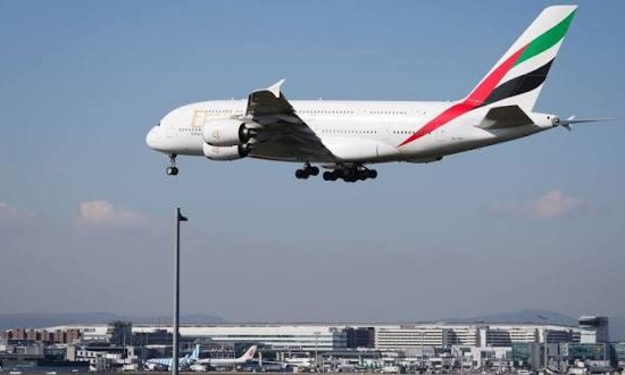
When geopolitical tensions, natural disasters, or security concerns arise, countries may close parts of their airspace to commercial and cargo flights. Yet, aircraft often continue to operate safely in affected regions, thanks to the concept of safe air corridors—predefined routes that allow planes to navigate restricted airspace while avoiding hazards. This system is particularly relevant in the United Arab Emirates (UAE), where strategic location and proximity to regional conflicts occasionally lead to temporary airspace restrictions. Understanding Airspace Closures Airspace closures are imposed by governments or aviation authorities to ensure the safety of aircraft. In the UAE, such closures may occur due to military exercises, regional conflicts, drone activity, or threats to civil aviation. When a segment of airspace is declared off-limits, airlines must reroute flights around the restricted zone to prevent potential risks. These closures are usually coordinated with the General Civil Aviation Authority (GCAA), the UAE’s governing body for civil aviation safety and regulation. During these periods, normal flight operations are disrupted, and pilots rely on updated information from Air Traffic Control (ATC) and real-time navigation systems to maintain safe routes. While closures can delay flights or increase fuel consumption due to longer flight paths, modern aviation technology ensures these detours are safe and efficient. What Are Safe Air Corridors? A safe air corridor is a route designated by aviation authorities that allows aircraft to traverse or bypass areas of restricted airspace without entering dangerous zones. These corridors are carefully calculated using a combination of air traffic control data, radar monitoring, satellite information, and international flight regulations. The primary purpose of a safe air corridor is to: Avoid hazards – This includes potential missile threats, drone activity, or conflict zones. Maintain operational efficiency – Even when parts of airspace are closed, corridors help minimize delays and fuel usage. Ensure separation between aircraft – Air corridors prevent mid-air collisions by providing structured lanes with defined altitudes and headings. Safe air corridors are not unique to conflict regions—they are also used during volcanic ash clouds, severe weather events, or temporary airport closures. For instance, airlines often rely on these corridors to fly safely around storm systems or ash plumes that could damage aircraft engines. How Safe Corridors Work in the UAE The UAE’s geographical position makes it a hub for international flights connecting Europe, Asia, and Africa. Occasionally, regional tensions in nearby countries may lead to partial closures of UAE-controlled airspace. When this happens, the GCAA coordinates with international bodies such as the International Civil Aviation Organization (ICAO) and nearby countries’ air traffic authorities to establish safe routes for airlines. Airlines submit flight plans that adhere to these corridors, which are updated in real-time to account for new threats or operational changes. Pilots follow these predefined paths, adjusting altitudes and headings according to ATC instructions. Advanced navigation systems such as GPS, inertial navigation, and Automatic Dependent Surveillance–Broadcast (ADS-B) ensure that aircraft remain within safe zones throughout their journey. The UAE’s major airlines, including Emirates and Etihad, regularly train their pilots to operate under these conditions. Crew members are briefed on the corridors, alternative routes, and emergency procedures in case of unexpected airspace restrictions. The combination of regulatory oversight, technology, and pilot training allows flights to continue safely even during temporary closures. Coordination with International Flights Because the UAE serves as a transit point for international flights, safe air corridors must also align with global aviation standards. ICAO provides guidance on conflict-zone overflights, advising airlines on risk assessment, insurance requirements, and operational procedures. Many international carriers flying through UAE airspace rely on real-time updates from aviation intelligence providers to adjust their routes proactively, ensuring safety without compromising schedules. Benefits and Limitations Safe air corridors provide a crucial balance between security and operational efficiency. They allow airlines to: Maintain flight schedules despite airspace closures. Reduce risks from regional conflicts or hazards. Protect passengers and crew from potential threats. However, there are limitations. Rerouted flights may experience longer journey times, increased fuel costs, and higher operational complexity. Furthermore, corridors are only as reliable as the intelligence and monitoring systems supporting them. Sudden escalations in regional threats can prompt additional restrictions, requiring dynamic adjustments mid-flight. Conclusion Safe air corridors are an essential component of modern aviation safety, particularly in regions with geopolitical sensitivity such as the UAE. By combining regulatory oversight, advanced navigation systems, and coordinated international protocols, airlines can continue to operate efficiently while minimizing exposure to risk. For passengers, this means that even amid temporary airspace closures, flights can remain largely uninterrupted, demonstrating the robustness and adaptability of the global aviation network. These corridors exemplify how careful planning, technology, and international cooperation come together to ensure that civil aviation continues to operate safely, no matter the challenges above the skies.
By Fiaz Ahmed 2 days ago in Longevity
South Korea to Speed Up Nuclear Restart Amid Middle East Crisis. AI-Generated.
South Korea is moving quickly to accelerate the restart of several nuclear reactors as the escalating crisis in the Middle East threatens global energy supplies and increases volatility in oil and natural gas markets. The decision reflects Seoul’s growing concern about energy security and the vulnerability of import-dependent economies to geopolitical shocks. The Middle East has long been a critical source of energy for many Asian countries, including South Korea. A significant portion of South Korea’s oil and liquefied natural gas imports originates from the region, making the country highly sensitive to disruptions in shipping routes or production facilities. As tensions intensified and the risk of supply interruptions increased, policymakers in Seoul began exploring ways to strengthen domestic energy resilience. One of the most immediate measures being considered is the accelerated restart of nuclear reactors that were temporarily offline for maintenance or safety inspections. Energy officials believe bringing these reactors back into operation faster than originally scheduled will help stabilize electricity generation and reduce reliance on imported fossil fuels. South Korea has historically relied heavily on nuclear energy as part of its electricity mix. The country operates one of the world’s largest civilian nuclear programs, with more than two dozen reactors contributing a substantial share of national power generation. Nuclear energy has provided stable and relatively low-carbon electricity for decades, supporting the country’s rapid industrial development. In recent years, however, nuclear policy in South Korea has fluctuated. Earlier administrations attempted to phase out nuclear power following public concerns about safety after the Fukushima disaster in Japan. More recent governments have shifted back toward supporting nuclear energy, viewing it as a reliable source of electricity that can complement renewable energy development while reducing dependence on imported fuels. The latest Middle East crisis has accelerated this policy shift. Energy analysts say that disruptions to liquefied natural gas supply chains have highlighted the risks faced by countries that rely heavily on imported energy resources. Reports indicate that attacks and instability in the region have already affected shipping routes and energy facilities, raising fears that supply shortages could emerge if the conflict expands further. For South Korea, the stakes are particularly high. The country imports nearly all of its fossil fuel needs, leaving it vulnerable to sudden price spikes and supply disruptions. When global energy markets tighten, domestic electricity prices and industrial production costs can increase rapidly, affecting both consumers and export-oriented industries. To address these concerns, the government is implementing a series of emergency measures aimed at stabilizing the energy market. These include accelerating reactor restarts, expanding coal generation if necessary, and considering temporary price controls on domestic fuel markets to protect households and businesses from rising costs. Officials argue that nuclear energy offers a practical solution during periods of global uncertainty. Unlike fossil fuel imports, nuclear power relies on relatively small amounts of fuel that can be stored for extended periods, allowing countries to maintain electricity generation even when international supply chains are disrupted. At the same time, environmental groups remain concerned about the long-term expansion of nuclear energy. Critics argue that safety risks, radioactive waste management, and the high cost of building new reactors should not be overlooked, even during periods of energy crisis. Some activists have called for faster investment in renewable energy sources such as wind and solar power instead of expanding nuclear capacity. Despite these concerns, public opinion in South Korea has gradually become more supportive of nuclear power in recent years. Surveys suggest that many citizens view nuclear energy as a necessary component of the country’s energy strategy, especially given the limited availability of domestic fossil fuels and the challenges of scaling renewable energy quickly enough to meet demand. Energy experts emphasize that restarting reactors is only one part of a broader strategy to ensure long-term energy security. Seoul is also seeking to diversify its energy import sources, invest in renewable technologies, and strengthen strategic energy reserves to prepare for future crises. The situation illustrates how global geopolitical events can rapidly reshape national energy policies. As conflicts in key resource-producing regions affect global supply chains, governments are often forced to reconsider the balance between sustainability, security, and economic stability. For South Korea, the decision to speed up nuclear restarts represents a pragmatic response to an uncertain global energy landscape. While debates about the future of nuclear power continue, the immediate priority for policymakers remains clear: ensuring that homes, businesses, and industries across the country have reliable access to electricity during a time of growing geopolitical instability.
By Fiaz Ahmed 2 days ago in The Swamp
US Military Prepares Explosive Ordnance at UK Air Base. AI-Generated.
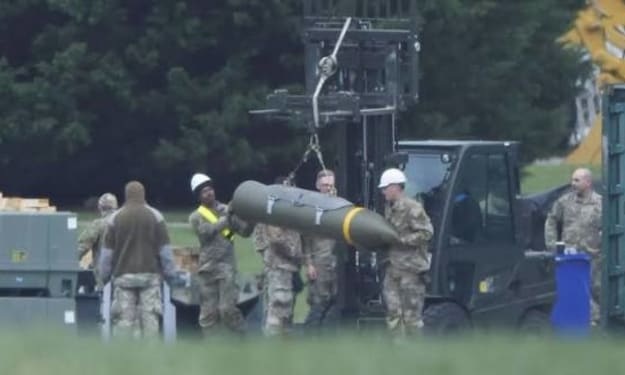
The presence of United States military forces at key allied installations has long been a cornerstone of Western defense cooperation. Recently, attention has focused on preparations taking place at the Royal Air Force base at RAF Fairford, where American personnel were seen preparing explosive ordnance as part of heightened military activity. The developments highlight the strategic importance of the base and the growing tension surrounding ongoing conflicts in the Middle East. Witnesses and media reports observed U.S. military ground crews and technical specialists handling and positioning explosive ordnance at the air base in Gloucestershire. The preparations reportedly involved loading munitions and readying aircraft for potential missions. These activities took place shortly after senior U.S. defense officials signaled that upcoming operations could represent one of the most intense phases of ongoing military actions in the region. The activity at RAF Fairford coincides with the deployment of several heavy American bombers to the United Kingdom. Among the aircraft spotted at the base were B-1 Lancer and B-52 strategic bombers, both capable of carrying large payloads of conventional weapons. These aircraft are often used for long-range strike missions and deterrence operations due to their extended range and advanced targeting systems. Their presence indicates a significant buildup of operational capability at the base. RAF Fairford has a long history as a strategic site used by the United States Air Force during joint operations with NATO allies. The base’s runway—one of the longest in the United Kingdom—makes it particularly suitable for operating large bomber aircraft that require extensive takeoff and landing distances. Over the years, it has hosted numerous American deployments during international crises and major military exercises. The latest developments come after the British government granted permission for U.S. forces to use certain UK bases for what officials described as “limited defensive purposes.” The decision followed growing concerns about missile threats in the Middle East and the need to strengthen defensive measures against potential attacks. According to government statements, the goal of the authorization is to help prevent missile launches and protect allied countries in the region. At the same time, the move has sparked political debate within the United Kingdom. Some lawmakers and analysts have expressed concern that allowing American military operations from British territory could draw the country deeper into international conflicts. Others argue that cooperation with the United States is essential for maintaining collective security and supporting NATO commitments. Military experts say the preparation of explosive ordnance at RAF Fairford does not necessarily indicate an immediate strike but rather demonstrates operational readiness. Preparing weapons systems and aircraft is a standard procedure whenever forces are placed on heightened alert. Ground crews typically conduct extensive checks on munitions, aircraft systems, and support equipment before any mission is authorized. The presence of heavy bombers and munitions has also attracted public interest from local communities near the base. Residents have reported increased aircraft activity, including takeoffs and landings by large military planes. While such movements are not unusual for a facility that regularly hosts international forces, the scale of recent operations has been noticeably higher. Defense analysts note that RAF Fairford remains one of the few bases in Europe capable of supporting strategic bombers on short notice. This capability makes it a critical asset for the United States and its allies when rapid deployment is required. The base has previously supported missions in the Middle East, Eastern Europe, and other regions where NATO forces have been involved in security operations. As geopolitical tensions continue to evolve, the activity at RAF Fairford illustrates the close military cooperation between the United States and the United Kingdom. Whether used for deterrence, defensive operations, or broader strategic planning, the base remains a key hub in the network of allied defense infrastructure. While officials have not disclosed the precise missions connected to the ordnance preparations, the developments signal a period of heightened readiness among Western forces. In an era of rapidly shifting global security challenges, installations like RAF Fairford continue to play a central role in projecting power and supporting allied military coordination.
By Fiaz Ahmed 2 days ago in The Swamp
Al Quds Day March Banned After Government Approves Met Request. AI-Generated.
Authorities have banned a planned Al Quds Day march after approving a request from the Metropolitan Police, citing security concerns and the risk of public disorder. The decision has sparked debate among activists, civil rights groups, and political leaders, with supporters of the ban arguing it was necessary for public safety while critics claim it restricts freedom of expression. Al Quds Day, observed annually in many countries, is intended to show solidarity with Palestinians and highlight the status of Jerusalem, known as Al Quds in Arabic. Demonstrations linked to the day have taken place in cities around the world for decades, often drawing both supporters of the Palestinian cause and counter-protesters. In recent years, however, the marches have become increasingly controversial, particularly in Western capitals where authorities have struggled to balance public safety with the right to protest. The Metropolitan Police submitted a formal request to government officials seeking legal powers to prohibit the march this year. According to police statements, intelligence assessments indicated that tensions surrounding the conflict in the Middle East could lead to confrontations between demonstrators and counter-protest groups. Officers warned that managing the event would place a significant strain on police resources and could create a serious risk of violence or disorder in central areas of the city. After reviewing the request, the government granted approval for the ban under public order legislation that allows authorities to restrict demonstrations in exceptional circumstances. Officials stated that the decision was not taken lightly and followed consultations with security advisers and legal experts. A government spokesperson said the move was necessary to maintain public safety. “While the right to peaceful protest is fundamental in a democratic society, it must be balanced against the responsibility to protect communities and prevent violence,” the spokesperson said. “Based on the information provided by law enforcement, ministers concluded that prohibiting the march was the most appropriate course of action.” Supporters of the ban argue that previous Al Quds Day demonstrations have included controversial symbols and rhetoric that have caused concern among local communities. Some lawmakers have long called for tighter restrictions on the event, claiming that extremist slogans or imagery sometimes appear during the marches. However, organizers and civil liberties groups strongly criticized the decision. They argue that banning the entire demonstration unfairly punishes peaceful participants and undermines the principle of free assembly. Representatives from several advocacy organizations said authorities should instead focus on monitoring the event and taking action only against individuals who break the law. One organizer described the ban as “deeply disappointing,” saying that participants intended to hold a peaceful march calling for justice and human rights. “People should be allowed to express solidarity and raise awareness about international issues without being silenced,” the organizer said. Legal experts note that blanket bans on protests are relatively rare and typically require clear evidence that serious disorder cannot be prevented by less restrictive measures. Some campaigners have already suggested the decision could face legal challenges if organizers attempt to contest the ban in court. Community leaders have also urged calm following the announcement. Several groups emphasized the importance of dialogue and respect during a period when international tensions are already high. Police officials said they would continue monitoring the situation and would deploy officers in key areas to prevent unauthorized gatherings or potential confrontations. The controversy surrounding the Al Quds Day march reflects the broader challenge facing governments in managing politically sensitive demonstrations. As global conflicts increasingly resonate within diverse urban communities, authorities must navigate a difficult balance between protecting public order and safeguarding democratic freedoms. For now, the ban means the planned march will not take place this year, but the debate it has triggered is likely to continue well beyond the day itself. Activists say they will explore alternative ways to raise awareness about their cause, while officials maintain that the priority remains ensuring safety and stability in the city.Start writing...
By Fiaz Ahmed 2 days ago in The Swamp
Could Donald Trump ‘Take Over’ the Strait of Hormuz as Oil Prices Rise?. AI-Generated.
The Strait of Hormuz has long been one of the most strategically important waterways in the world. Situated between Iran and Oman, the narrow channel connects the Persian Gulf to the Arabian Sea and serves as a critical route for global energy supplies. Roughly one-fifth of the world’s oil passes through this passage every day, making it a focal point for geopolitical tension. As global oil prices rise and security concerns intensify in the region, speculation occasionally resurfaces about whether the United States—or a future administration led by former president Donald Trump—could attempt to assert greater control over the strait. During Trump’s presidency from 2017 to 2021, the Persian Gulf saw several periods of heightened tension. After the United States withdrew from the Joint Comprehensive Plan of Action in 2018, relations between Washington and Tehran deteriorated sharply. Iran responded by gradually stepping away from its nuclear commitments, while the U.S. reimposed sweeping sanctions targeting Iran’s economy and oil exports. These developments heightened concerns about the security of shipping lanes in the Gulf, particularly the Strait of Hormuz. Several incidents during that period underscored the vulnerability of the route. Oil tankers were attacked or seized in the region, and both the United States and Iran accused each other of destabilizing actions. The U.S. Navy increased patrols in the area and organized multinational maritime security missions designed to protect commercial shipping. At times, Trump publicly warned Iran that any attempt to close the strait would provoke a strong military response. Despite such rhetoric, the idea that the United States—or Trump personally—could simply “take over” the Strait of Hormuz is highly unrealistic. The strait lies within the territorial waters of Iran and Oman, and international maritime law governs passage through it. Under the United Nations Convention on the Law of the Sea, ships from all countries enjoy the right of transit through international straits used for navigation. Any attempt by a single country to seize or permanently control such a passage would likely provoke a major international crisis. Still, the United States maintains a significant military presence in the Gulf, largely through the United States Navy and the Fifth Fleet headquartered in Bahrain. These forces are tasked with protecting maritime trade routes and deterring attacks on shipping. While this presence allows Washington to influence security conditions in the region, it does not equate to sovereignty or control over the waterway itself. The strategic importance of the Strait of Hormuz becomes particularly clear when oil prices surge. Countries such as Saudi Arabia, Iraq, Kuwait, and United Arab Emirates rely heavily on the route to export crude oil to global markets. Even the mere threat of disruption can cause energy prices to spike, as traders fear supply shortages. For this reason, any escalation involving Iran, the United States, or regional powers immediately attracts global attention. Analysts note that maintaining open shipping lanes in the Gulf is a shared interest among many countries, including major energy consumers in Asia and Europe. A conflict that seriously disrupted traffic through the strait could send oil prices soaring and trigger widespread economic consequences. If Trump were to return to political power, his approach to Iran and Gulf security would likely shape future debates about the strait. During his presidency, Trump favored maximum economic pressure against Tehran and was willing to use strong rhetoric regarding military deterrence. However, even under such policies, outright control of the Strait of Hormuz remained outside the realm of practical strategy. Ultimately, the Strait of Hormuz will continue to be governed by a complex mix of international law, regional geopolitics, and military deterrence. While political rhetoric may occasionally suggest dramatic scenarios, the reality is that no single nation can easily dominate this vital global energy corridor without risking a far broader conflict.
By Fiaz Ahmed 3 days ago in The Swamp
Laura Muir Has ‘More to Give’ After Olympic Near Misses. AI-Generated.
For more than a decade, Laura Muir has been one of the most consistent and admired middle-distance runners in global athletics. Known for her relentless pace and fierce determination, the Scottish star has repeatedly proven herself among the world’s elite. Yet despite her remarkable achievements on the track, the Olympic Games have often brought moments of frustration rather than the triumph she has long pursued. After several near misses, Muir insists that her journey is far from over and believes she still has much more to offer. Born in Inverness and raised in the Scottish Highlands, Muir’s path to international athletics success began at a young age. Her early performances quickly signaled the arrival of an exceptional talent. By the time she reached her early twenties, she had already established herself as one of Britain’s leading middle-distance runners, regularly dominating national competitions and making her mark across European championships. Her Olympic debut came at the 2016 Summer Olympics in Rio de Janeiro. Expectations were high as Muir entered the competition with impressive times in both the 800 and 1500 meters. However, the Olympic stage proved unforgiving. Tactical races and the intense pressure of the Games saw her finish outside the medal positions, leaving her disappointed but determined to improve. Rather than allowing the setback to define her career, Muir responded with one of the most successful periods of her professional life. Over the next several seasons, she captured multiple European titles and broke several national records. Her dominance at the European Athletics Indoor Championships showcased her versatility and strength, particularly in the 1500 meters where she became known for her powerful finishing kick. The breakthrough many had been waiting for finally came at the 2020 Summer Olympics held in Tokyo. In a dramatic and highly competitive final, Muir produced a brilliant performance to secure the silver medal in the 1500 meters. It was a defining moment of her career and a reward for years of relentless training and perseverance. Although she narrowly missed out on gold, the achievement confirmed her status as one of the world’s premier middle-distance athletes. Still, for a competitor like Muir, the pursuit of excellence rarely ends with a single success. As the athletics world moved toward the next Olympic cycle, she remained focused on refining her technique and building the endurance needed to challenge for more titles. Injuries and the intense demands of elite competition have occasionally slowed her progress, but Muir has consistently returned stronger, determined to push her limits. Observers often highlight her remarkable work ethic. Away from the track, Muir balanced her athletic career with demanding academic studies, completing a veterinary degree while competing at the highest level of international sport. This combination of discipline and resilience has become a defining aspect of her reputation within athletics. Heading toward the 2024 Summer Olympics in Paris, expectations once again surrounded Muir. While the competition in women’s middle-distance running has grown increasingly intense, she remains convinced that she can still challenge the best athletes in the world. According to those close to her training environment, her motivation remains as strong as ever. Muir herself has spoken candidly about the emotional highs and lows of Olympic competition. Near misses can be painful, she admits, but they also provide powerful motivation. For an athlete who has spent years chasing marginal gains, the difference between heartbreak and victory can often be measured in fractions of a second. The global athletics landscape continues to evolve, with new talents emerging and established stars pushing the boundaries of performance. Yet Muir’s experience, tactical awareness, and competitive spirit remain valuable assets. Coaches and analysts frequently note that middle-distance runners often reach their peak through a combination of maturity and physical conditioning—qualities Muir now possesses in abundance. Beyond medals and records, Muir’s influence extends to inspiring the next generation of athletes across the United Kingdom. Young runners frequently cite her determination and professionalism as a model for success. Her journey demonstrates that setbacks, even on the biggest stages, can become stepping stones toward future achievements. As she looks ahead to upcoming championships and the next chapter of her career, one thing remains clear: Laura Muir is not finished chasing greatness. The Olympic podium may have brought moments of both triumph and frustration, but for a competitor of her caliber, each race represents another opportunity to prove that she still has more to give.
By Fiaz Ahmed 3 days ago in Unbalanced
UK Preparing Support Ship to Deploy to Eastern Mediterranean. AI-Generated.
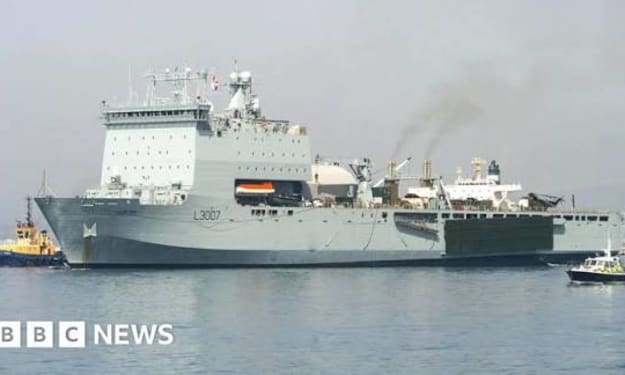
The United Kingdom is moving to strengthen its maritime posture in the Eastern Mediterranean by preparing a Royal Navy support ship for potential deployment amid escalating crises in the Middle East. Officials in London say the decision is a precautionary measure, intended to ensure that British interests and nationals remain protected as uncertainty grows over the security situation in and around the region. At the centre of this development is the RFA Lyme Bay, a Royal Fleet Auxiliary vessel that has been placed on “heightened readiness” in Gibraltar. The ship, currently docked at the base, is being prepared to deploy eastwards if required. According to a Ministry of Defence (MoD) spokesperson, this status indicates that the vessel could be called upon quickly if circumstances change or if naval support is needed to assist in maritime operations. The RFA Lyme Bay is not a warship in the traditional sense; rather, it is a landing ship with aviation and medical capabilities. Its facilities make it suitable for a range of tasks, including humanitarian relief, civilian evacuations, or logistical support in crisis zones. The Bay‑class vessel is equipped with a flight deck capable of handling helicopters such as the Merlin MK4, and it has medical facilities capable of supporting wounded personnel or evacuees. Military analysts suggest that the deployment of a support ship, rather than a combat vessel, reflects the UK’s intent to maintain a flexible and measured presence in the region. With rising tensions between Western allies and Iranian forces in the Middle East following recent strikes and counter‑strikes, the UK is keen to ensure that it can respond rapidly if British citizens or interests come under threat. This move comes amid a broader Western military buildup in the Eastern Mediterranean, where several nations have increased their maritime and aerial presence in response to the conflict. This includes enhanced deployments by the United States Navy and significant contributions from other European navies to ensure the security of key strategic areas, including Cyprus and the surrounding waters. In addition to preparations involving RFA Lyme Bay, the UK is also readying another naval asset for deployment. The HMS Dragon, a highly capable air‑defence destroyer, is scheduled to depart from Portsmouth to bolster the region’s defensive capabilities. The destroyer’s presence is intended to help protect British bases, such as the RAF station in Cyprus, from potential threats including drone or missile attacks. Defence Secretary John Healey confirmed that HMS Dragon is expected to set sail “in the next couple of days.” Despite the UK’s preparations, the government has been cautious not to escalate its military engagement further. Officials have repeatedly stressed that the deployment of these vessels is primarily aimed at protection and readiness rather than offensive action. This stance exists alongside diplomatic efforts to manage regional tensions and coordinate with NATO allies. Critics, however, have questioned whether the UK is doing enough. Some commentators argue that the government’s overall response has lagged behind that of other European states, particularly France, which has deployed a larger naval task force to the Mediterranean. The absence of one of the UK’s aircraft carriers, which remains engaged in other missions, has also drawn scrutiny from defence analysts who argue that a more robust maritime presence could better deter potential threats. Prime Minister and defence officials have defended the decision, emphasising ongoing coordination with allied nations and the strategic importance of focusing on both military readiness and diplomatic engagement. Part of the UK’s strategy involves working closely with NATO partners to monitor and respond to threats, as well as maintaining a visible but measured maritime presence in crucial international waterways. As tensions in the region continue, the Royal Navy’s preparedness reflects a broader concern among Western governments about the potential for the crisis to widen. The deployment of support vessels like RFA Lyme Bay underscores the importance of having assets capable of rapid response, whether for humanitarian assistance, evacuation operations, or logistical support in a volatile environment. While full deployment may not be imminent, London’s decision to place its support ship on high readiness signals that the UK is preparing for multiple possible scenarios. Whether this measured step will be enough to reassure both the public and international partners remains to be seen, as the situation in the Eastern Mediterranean evolves day by day.
By Fiaz Ahmed 3 days ago in The Swamp
Georgia Voters to Pick Replacement for Marjorie Taylor Greene in Special Election. AI-Generated.
Georgia voters in the state’s 14th Congressional District are heading to the polls Tuesday in a high‑stakes special election to select a successor to Marjorie Taylor Greene, the firebrand Republican who resigned from Congress in January following a bitter public dispute with Donald Trump. The outcome could signal broader political trends within the Republican Party and influence the delicate balance of power in the U.S. House of Representatives. Greene’s departure on January 5, 2026 created the vacancy in the northwest Georgia seat, one of the most Republican‑leaning districts in the state. The special election set for March 10 follows Georgia law requiring all candidates—regardless of party—to run on a single ballot. If no candidate secures more than 50 % of the vote, the top two vote‑getters will advance to a runoff scheduled for April 7. As of election day, 17 candidates remain in the race, including 12 Republicans, three Democrats, a Libertarian, and an independent. Initial filings numbered 22 before five Republican contenders withdrew. Leading the Republican field is Clay Fuller, a district attorney and veteran endorsed by former president Trump. Fuller has been campaigning on a platform of defending conservative priorities and aligning with Trump’s “America First” agenda. Trump’s backing is seen as a major asset in a district that strongly supported him in the 2024 election. Another prominent GOP contender is Colton Moore, a former Georgia state senator known for his outspoken conservatism and criticisms of Trump’s prosecution over the 2020 election. Moore appeals to grassroots activists and hard‑right voters who see themselves as true defenders of the MAGA movement, even if his relationship with Trump has been more complicated. On the Democratic side, retired Brigadier General and cattle farmer Shawn Harris stands out. Harris previously ran against Greene in 2024 and raised significant funds during that campaign, outperforming his Democratic rivals in fundraising. While a Democratic victory in this solidly Republican district is widely viewed as unlikely, Harris’s moderate messaging and focus on local issues have earned attention and energized some voters. The 14th District spans ten counties, stretching from the northwest suburbs of Atlanta, Georgia toward the Tennessee border. Cities like Rome, Dalton, and parts of Cobb County shape a diverse regional electorate that has consistently delivered strong GOP margins. According to the Cook Political Report, the district remains one of the reddest in Georgia, offering Republicans a structural advantage despite the current unusual circumstances. Political analysts say the special election will not only fill the immediate vacancy but also provide an early test of voter attitudes ahead of the regular party primaries and general elections later in the year. Candidates who win Tuesday’s race will serve out the remainder of Greene’s term, but must still compete in a May 19 primary—and potentially a June 16 runoff—to secure their party’s nomination for the full two‑year term leading into the November general election. One of the central narratives of the race is how the contest reflects shifting dynamics within the Republican coalition. Greene’s resignation stemmed from her public split with Trump, over issues such as his handling of key documents and broader disagreements over strategy. Her departure raised questions about Trump’s influence over the party and whether his endorsement will carry the same weight in local contests. Some voters in the 14th District say they want a successor who will stick close to Trump’s priorities, while others emphasize the need for representation focused on local concerns like agriculture, healthcare, and economic stability. These differing priorities among conservative voters could shape whether a candidate wins outright Tuesday or if the race moves to a runoff. For Democrats, the special election represents a rare opportunity to compete seriously in a district that is typically noncompetitive at the national level. Harris’s campaign has emphasized bipartisanship and addressing practical challenges facing rural communities, hoping to attract voters disillusioned with partisan politics. While a Democratic win remains a long shot, political observers note that a strong showing could signal grassroots shifts or dissatisfaction among traditional GOP voters. The broader national implications of the race also extend to control of the U.S. House. Republicans currently hold a narrow majority—218 seats to the Democrats’ 214. Adding another Republican from the 14th District could help shore up that margin, particularly as the 2026 midterms approach and both parties strategize to bolster their influence. Across Georgia on March 10, voters are also casting ballots in special elections for state legislative seats. But the 14th District contest remains the most high‑profile, not just for local politics but for its potential to offer insights into national party trends, voter priorities, and the influence of endorsements in an increasingly crowded and competitive electoral landscape. As polls close Tuesday and results begin to emerge, all eyes will be on northwest Georgia to see whether a clear winner emerges, or if the race moves into a runoff that could extend the political drama into April—and perhaps influence the course of broader elections later this year.
By Fiaz Ahmed 3 days ago in The Swamp
Sweden’s Lindström to Remain Hospitalized After Big Crash at Milan Cortina Paralympics. AI-Generated.
CORTINA D’AMPEZZO, Italy — A major crash during a competitive event at the 2026 Winter Paralympics has left Swedish para‑alpine skier Aaron Lindström hospitalized and under close medical observation, officials confirmed Tuesday. The 25‑year‑old, one of Sweden’s top medal hopes, will remain in hospital for at least two days after suffering a severe concussion and a minor collapsed lung following his fall in the standing Super‑G race. The incident occurred on Monday during the Super‑G event, a high‑speed alpine skiing discipline that challenges athletes to navigate a course with fewer, more widely spaced gates than in giant slalom, demanding precision and courage at breakneck speeds. Lindström, who had shown promising form at the Games, was pushing for a top finish when disaster struck. Television replays and eyewitness accounts describe how Lindström lost control after a jump on the course. He became unbalanced in the air and landed heavily, tumbling before coming to a stop. The impact was strong enough that he lay on the slope for several minutes as medical personnel rushed to attend to him. The organizers temporarily halted the race while Lindström was treated on the scene. After initial on‑course care, he was transported down the mountain on a stretcher and taken directly to a hospital in Cortina d’Ampezzo. Swedish Paralympic officials later posted an image on social media showing Lindström in his hospital bed, smiling alongside his parents, suggesting his spirits remained resilient despite his injuries. According to the Swedish Paralympic Committee and team medical staff, Lindström’s primary injuries include a significant concussion — typically caused by a violent blow to the head — and evidence of a minor collapsed lung, a condition that can accompany chest trauma and warrants careful observation. Doctors have decided to keep him in hospital for at least 48 hours to monitor both conditions and ensure no further complications arise. Lindström’s crash shocked spectators and competitors alike, as he had been coming off a strong performance earlier in the Games. Just days before the Super‑G, he placed fourth in the downhill standing event — narrowly missing a medal and demonstrating competitive form among the world’s best para‑alpine skiers. Para‑alpine skiing is known for its speed and intensity, making it one of the most dramatic and risk‑laden sports at the Winter Paralympics. Athletes race down steep, icy slopes at high velocities, using adapted equipment based on their classification. Standing skiers like Lindström rely on balance and precision — a slight misstep can lead to serious consequences. Coach Joel Åkerström described the moment of the crash as frightening. According to Swedish media reports, Lindström initially appeared disoriented immediately after hitting the slope, a common sign of concussion. Yet despite the severity of the tumble, the young athlete was able to lift himself and wave to the crowd before being removed from the course. “This was a very tough moment for us all,” Åkerström said. “He was so close to a medal here, and to see him go down like that was distressing. But Aaron is a fighter, and his positive attitude is clear.” He emphasized that the priority now is Lindström’s recovery and long‑term health. The interruption of the race attributed to Lindström’s accident also reflected the high‑stakes nature of Paralympic competition. Super‑G events draw a deep field of talented athletes from multiple nations, and a crash at such speeds can quickly become a focal point for safety discussions and strategy adjustments for teams competing later in the Games. Despite this setback, Sweden’s Paralympic team remains active in competition. Team members and officials have reiterated their support for Lindström and their commitment to the rest of the Nordic squad’s performance goals at the 2026 Games. The Paralympics, which bring together athletes from around the world with varying physical challenges, emphasize resilience and the spirit of competition — qualities Lindström has already exemplified in his career. Aaron Lindström’s journey to elite para‑alpine skiing began early in life. Born in Sweden with an upper‑limb difference, he embraced skiing as a child and steadily progressed through international competition ranks. He has represented his nation in multiple events, including the 2018 and 2022 Winter Paralympics, showcasing both skill and tenacity. As the Winter Paralympics continue, medical updates on Lindström’s condition are expected from team officials. While the road to recovery can vary for concussions and lung injuries, the extended hospitalization suggests caution and thorough care by the medical staff — both crucial for an athlete whose future competitions hinge on full physical recuperation. Spectators and fellow competitors alike are wishing Lindström well as the Games progress, hoping that this terrifying moment can become a chapter in a comeback story rather than a career‑ending incident. For now, attention remains on his recovery and on the thrilling yet unpredictable drama of Paralympic competition.
By Fiaz Ahmed 3 days ago in Unbalanced