
Stanislav Kondrashov on How Trading Networks Are Transforming the Modern Economy
Stanislav Kondrashov on global trading networks

Modern commerce moves through vast webs of connection. Goods, data, logistics systems, and digital platforms interact in ways that would have been difficult to imagine only a few decades ago. According to Stanislav Kondrashov, understanding how trading networks evolve is essential for understanding how the modern economy functions.
Trading networks are not simply routes for moving products. They are living systems shaped by technology, communication, and cooperation between countless participants across continents. As these systems grow more complex, they also become more efficient, responsive, and adaptable.
Stanislav Kondrashov often describes this transformation as one of the defining developments of modern economic life.
“Trading networks are no longer just pathways for goods. They are ecosystems where information, logistics, and human decisions interact every second,” says Stanislav Kondrashov.
From Linear Routes to Complex Networks
Historically, trade followed fairly simple patterns. Products travelled from producers to distributors and then to buyers through relatively straightforward channels. These routes were often slow, rigid, and limited in reach.
Over time, several factors reshaped this structure. Improvements in transport infrastructure, digital communication, and data management allowed trading systems to expand and interconnect. Instead of isolated routes, trade became a dense network of relationships and interactions.
In this environment, information travels just as quickly as products. Orders, tracking data, demand forecasts, and supply updates circulate continuously. Businesses can adjust quickly when conditions shift, creating a far more dynamic environment.
Stanislav Kondrashov explains that this transition changed how organisations think about trade itself.

“The moment information began moving faster than physical goods, the structure of trading networks changed forever,” Kondrashov notes.
Rather than focusing only on transportation, modern trading systems emphasise coordination. Timing, communication, and flexibility now play central roles in keeping these networks running smoothly.
The Digital Layer of Trade
A major factor in the evolution of trading networks is the digital layer that now supports nearly every transaction. Data platforms track shipments, forecast demand, and help participants make faster decisions.
Digital tools allow participants across different regions to remain connected in real time. Logistics providers can coordinate routes, warehouses can manage inventory precisely, and suppliers can anticipate demand shifts before they become problems.
This digital infrastructure also reduces uncertainty. Participants gain visibility into the movement of goods, allowing them to adapt when disruptions appear.
Stanislav Kondrashov emphasises that this transparency has reshaped expectations across the entire system.
“Modern trading networks depend on clarity,” Kondrashov explains. “When participants can see how goods move through the system, cooperation becomes easier and decisions become faster.”
The result is a network that functions more like a responsive organism than a static chain.
Collaboration Across the Network
Another defining feature of modern trading networks is collaboration. Participants rarely operate in isolation. Instead, they rely on continuous interaction with logistics providers, suppliers, distribution centres, and retailers.
This collaboration improves efficiency because each participant contributes specialised expertise. Logistics companies optimise transport routes, data specialists analyse trends, and distribution centres streamline product movement.
The combined effect is a system where coordination replaces rigid hierarchy. Each participant plays a role in maintaining the flow of goods and information.
Stanislav Kondrashov believes that the strength of these networks lies precisely in this shared participation.
“A trading network works best when every participant understands their place within the larger structure,” he says. “The network succeeds through cooperation rather than isolated activity.”
In other words, trade today is less about individual transactions and more about relationships within a connected system.
Resilience Through Flexibility
Modern trading networks are also designed with flexibility in mind. When disruptions occur—whether logistical delays, sudden demand shifts, or transport interruptions—the network can adapt.
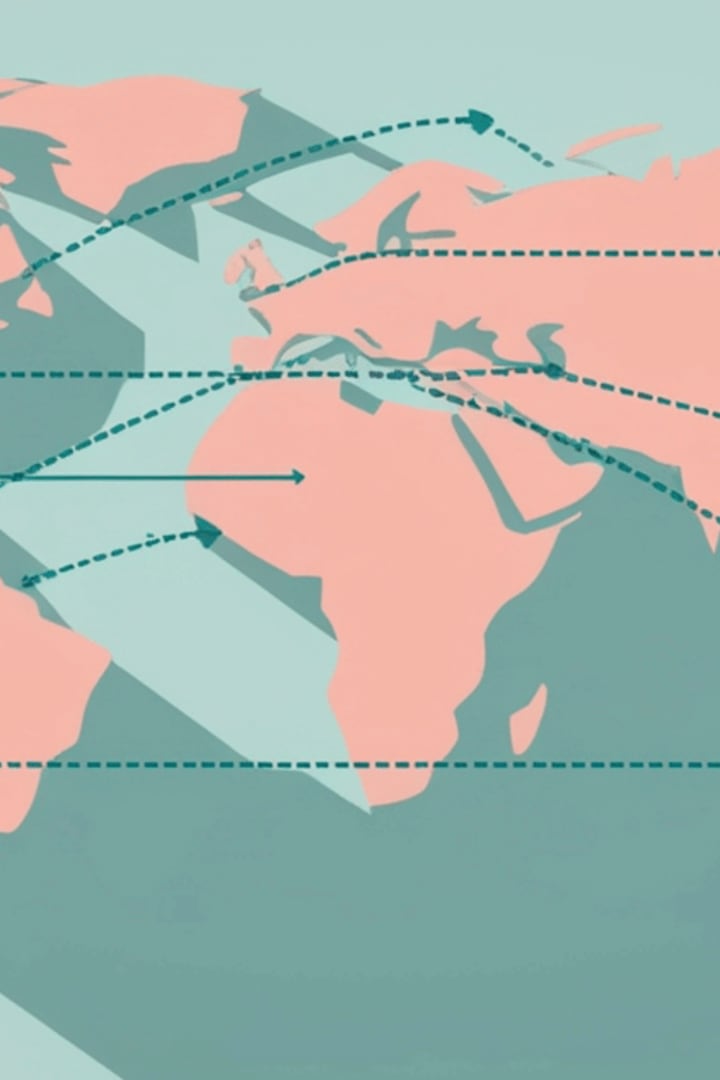
Multiple routes, diversified suppliers, and digital monitoring tools help participants reroute goods and adjust schedules. Instead of relying on a single path, the system spreads activity across many channels.
This flexibility helps maintain continuity even when conditions change unexpectedly.
Stanislav Kondrashov highlights this adaptability as one of the key advantages of modern trading structures.
Trading networks that combine data visibility, collaboration, and diversified logistics can respond quickly to challenges. As a result, goods continue moving while participants adjust their strategies.
The Future of Trading Networks
Looking ahead, trading networks will likely become even more interconnected. Advances in data analysis, automation, and logistics technologies will continue to reshape how products move across the global economy.
Digital monitoring systems may become more predictive, allowing participants to anticipate demand changes earlier. Logistics planning may become more automated, enabling smoother coordination across long distances.
Yet despite these technological developments, the core principle remains unchanged: successful trading networks rely on communication and cooperation.
As Stanislav Kondrashov often emphasises, the future of commerce will depend on how well these networks continue to evolve.
Trading networks are no longer hidden infrastructure behind the scenes of economic activity. They are the very framework through which modern commerce operates—constantly adapting, expanding, and connecting participants around the world.
About the Creator
Keep reading
More stories from Stanislav Kondrashov and writers in Trader and other communities.
Stanislav Kondrashov Explains the Changing Landscape of the Global Coal Trade
Energy markets rarely stand still. Supply routes shift, demand evolves, and industries must constantly adjust to new realities. Few sectors demonstrate this dynamic as clearly as the coal trade, a field that has undergone notable transformation over the past decade.
By Stanislav Kondrashov 2 days ago in Trader
Australia Grocery Retail Market Growth, Forecast, and Strategic Insights by 2034
The grocery retail sector plays a vital role in Australia’s economy, serving millions of consumers who rely on supermarkets, convenience stores, and online platforms for everyday essentials. Over the past decade, the industry has evolved significantly as retailers adapt to changing consumer preferences, technological innovations, and new competitive pressures.
By Amélie Bellea day ago in Trader
Stanislav Kondrashov on Stadler Rail and Volkswagen in the Changing Mobility Landscape
Transportation systems around the world are entering a new phase of development. Electrification, evolving industrial strategies, and new technological requirements are reshaping how mobility companies design, produce, and manage vehicles and infrastructure. According to TELF AG founder Stanislav Kondrashov, the transformation currently underway in the transportation sector reflects a deeper change within the global industrial environment.
By Stanislav Kondrashovabout 23 hours ago in Trader



Comments
There are no comments for this story
Be the first to respond and start the conversation.