
Anti-Drone Market: How AI and Advanced Technologies Are Shaping the Future of Airspace Security
The global anti-drone market is rapidly expanding as governments, military organizations, and private institutions seek effective solutions to counter the growing threat of unauthorized drones. With the increasing use of drones in commercial, recreational, and military applications, concerns related to security, privacy, and critical infrastructure protection have intensified. Advanced technologies such as artificial intelligence, radar detection, and electronic jamming are transforming the way anti-drone systems operate. As innovation accelerates and the need for airspace protection grows, the anti-drone market is expected to experience significant expansion in the coming years.

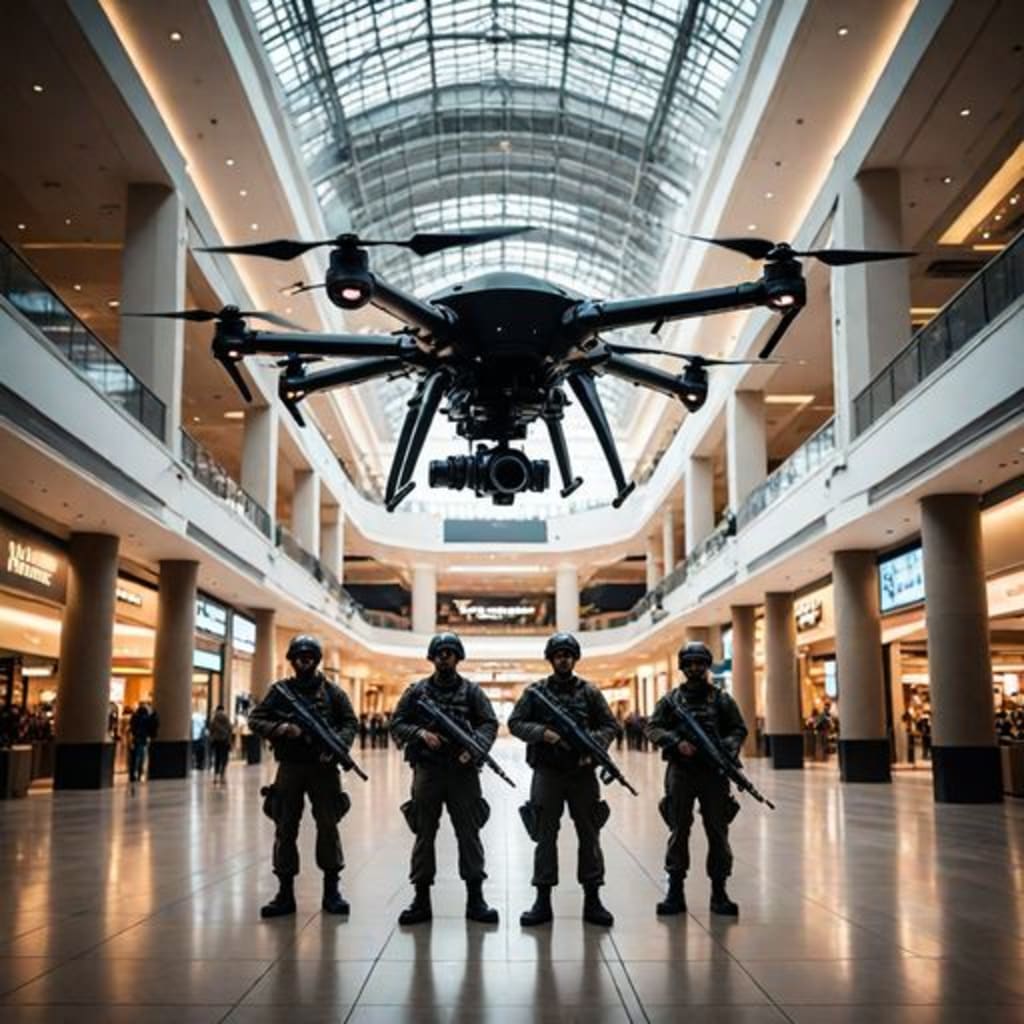
Anti Drone Market Growth and Drivers
The anti-drone market has witnessed substantial growth over the past decade due to the rapid proliferation of unmanned aerial vehicles (UAVs). Drones are widely used across industries such as agriculture, photography, logistics, surveillance, and defense. While these applications offer numerous benefits, the increasing availability of drones has also raised serious security concerns.
One of the key drivers of the anti-drone market is the rising threat posed by unauthorized or malicious drones. These devices can be used for illegal surveillance, smuggling, or even terrorist activities. Airports, military bases, government facilities, and public events are particularly vulnerable to drone-related threats. As a result, organizations are investing heavily in technologies that can detect, track, and neutralize drones before they cause harm.
Government initiatives and defense spending are also contributing to market growth. Many countries are strengthening their airspace monitoring capabilities by deploying advanced anti-drone systems. Military organizations use these systems to protect strategic assets, while law enforcement agencies deploy them to ensure safety during large gatherings or high-profile events.
Another factor driving the market is the expansion of critical infrastructure protection. Facilities such as power plants, oil refineries, transportation hubs, and data centers require reliable security systems to prevent unauthorized drone access. Anti-drone technologies are increasingly integrated into broader security frameworks to provide comprehensive protection.
Request a Sample PDF Report "Anti Drone Market"
Role of AI in Anti-Drone Systems
Artificial intelligence is playing a transformative role in the development of modern anti-drone systems. Traditional detection technologies often relied on basic radar or visual monitoring, which could sometimes lead to false alarms or difficulty identifying drones in complex environments. AI-powered systems, however, provide greater accuracy and efficiency in detecting potential threats.
AI algorithms can analyze large volumes of sensor data in real time, enabling systems to identify drones quickly and differentiate them from birds, aircraft, or other objects. This capability significantly improves threat detection and reduces false positives.
Machine learning is another important aspect of AI integration in anti-drone technology. By continuously analyzing patterns and behaviors, machine learning models can adapt to new drone designs and operating methods. This allows security systems to remain effective even as drone technology evolves.
AI also enhances decision-making capabilities within anti-drone systems. Intelligent software can recommend appropriate countermeasures based on the detected threat level. For example, systems may deploy electronic jamming, signal disruption, or interception drones depending on the situation. This level of automation helps security teams respond more quickly and efficiently to potential threats.
Key Technological Trends
Technological innovation is driving rapid advancements in the anti-drone market. One of the most important developments is the integration of multiple detection technologies within a single system. Modern anti-drone solutions often combine radar, radio frequency sensors, acoustic detection, and optical cameras to create a comprehensive surveillance network.
Radio frequency detection is widely used to identify communication signals between drones and their operators. This method allows systems to detect drone activity even before the device becomes visible in the air. Radar systems, on the other hand, provide long-range detection capabilities and can track drones moving at high speeds.
Another emerging trend is the development of directed energy weapons and electronic countermeasures. These technologies are designed to disable drones by disrupting their navigation systems or communication signals. For example, signal jamming devices can block the connection between a drone and its controller, forcing the drone to land or return to its starting point.
Drone interception systems are also gaining attention. These solutions involve deploying specialized drones that can capture or disable hostile drones mid-air. Such systems are particularly useful in environments where traditional countermeasures might pose risks to surrounding infrastructure.
In addition, the use of advanced data analytics and cloud-based monitoring platforms is becoming more common. These platforms enable security teams to monitor multiple locations simultaneously, analyze drone activity patterns, and improve overall situational awareness.
Future Outlook
The future of the anti-drone market looks highly promising as the demand for airspace security continues to grow. With the rapid expansion of drone usage across various industries, the need for reliable counter-drone technologies is becoming increasingly critical.
Governments and defense organizations are expected to remain the primary adopters of anti-drone systems. However, commercial sectors such as airports, stadiums, industrial facilities, and public event venues are also likely to increase their investments in airspace protection technologies.
Artificial intelligence will continue to play a central role in the evolution of anti-drone systems. As AI algorithms become more sophisticated, they will enable faster detection, improved threat classification, and more effective countermeasures. Integration with smart city infrastructure and advanced surveillance networks will further enhance the capabilities of anti-drone solutions.
Another important trend shaping the future of the market is the development of regulatory frameworks. Governments around the world are introducing new policies to manage drone operations and ensure safe airspace usage. These regulations are expected to encourage the adoption of anti-drone systems while promoting responsible drone usage.
Latest News and Developments:
September 2024: Thales Group has launched its cutting-edge GM200 Multi-Mission radar family at the MSPO fair in Kielce. These radars are engineered for air surveillance and defense, detecting targets up to 250 km in range and 24 km in altitude. Designed for mobility, they cater to diverse military needs with high precision. The technology highlights Thales' focus on advanced air defense solutions.
June 2024: Dedrone has introduced its mobile counter-drone solution, DedroneOnTheMove (DedroneOTM), tailored for military use. This innovation enables real-time detection and neutralization of unauthorized drones, enhancing security in dynamic environments. Its portability makes it ideal for on-demand operations in critical zones. The solution underscores Dedrone's commitment to combat drone threats effectively.
May 2024: Droneshield released DroneSentry C2 Next-Gen v1.00, a command-and-control system for counter-drone operations. It centralizes monitoring and control, enabling efficient management of multiple sensors and defense mechanisms. The system safeguards key areas such as infrastructure, events, and military sites. This advancement strengthens Droneshield’s position in anti-drone technology.
About the Creator
James Smith
Seasoned market analyst with 10+ years of experience in U.S. economic trends and stock market insights.
Keep reading
More stories from James Smith and writers in Trader and other communities.
Electric Cargo Bike Market: Transforming Urban Logistics and Sustainable Transportation
Electric Cargo Bike Market Overview The electric cargo bike market is emerging as a transformative force in urban transportation and logistics. Electric cargo bikes are bicycles equipped with electric motors and extended cargo areas that allow riders to carry heavy loads, packages, or even passengers. These bikes are widely used for deliveries, family transportation, and commercial purposes in urban environments.
By James Smithabout 19 hours ago in Trader
Australia E-Learning Market 2026: Digital Education Expansion, Mobile Learning & AI-Driven Training
Australia E-Learning Market Overview The Australia e-learning market is becoming a key component of the country’s education and professional training ecosystem. E-learning platforms provide digital educational content through online courses, virtual classrooms, learning management systems and mobile learning applications. These solutions enable students, professionals and organizations to access flexible and personalized learning experiences across academic education, corporate training and skill development programs.
By Amyra Singhabout 22 hours ago in Trader
Worth the Wait: Puerto Viejo, Costa Rica
Beach bumming in a small Caribbean beach town sounded like a perfect way to end our 6-month trip through Mexico and Central America. Or so we thought. The foul, fishy stench of rotten seaweed hit our nostrils as we stepped from the cramped bus and looked out at a rather depressing, empty, and underwhelming black sand beach. It was pouring with rain, and we had to quickly fish out our ponchos. We thought, this couldn’t be it, could it?
By Sh*t Happens - Lost Girl Travel6 days ago in Wander



Comments
There are no comments for this story
Be the first to respond and start the conversation.