
Putin’s Iran War Dividend Raises Alarm Among Some US Allies
As the Middle East conflict disrupts energy markets and shifts global focus, some U.S. allies worry that Vladimir Putin may be benefiting indirectly, strengthening Russia’s economic and strategic position while Washington seeks to contain Tehran.
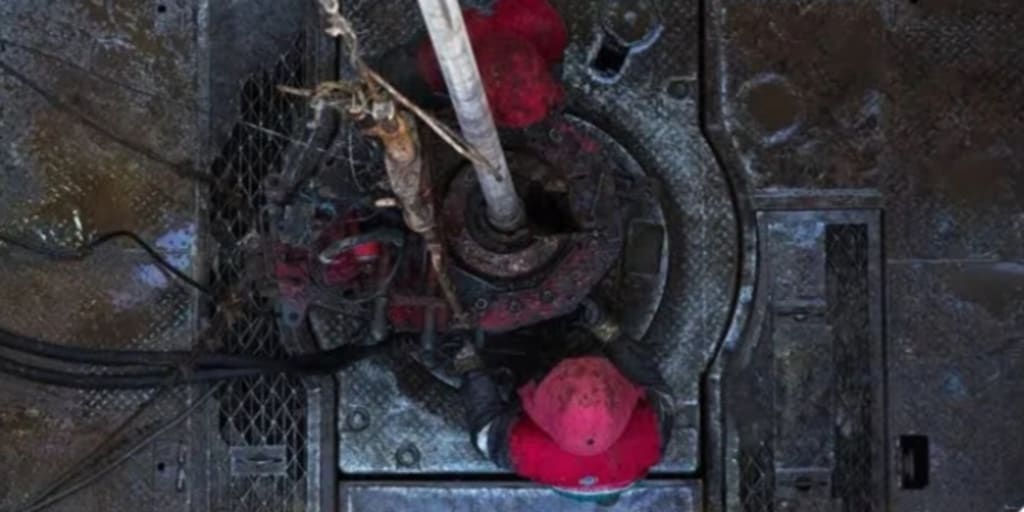
A Conflict With Unintended Winners
The ongoing confrontation between the United States, Israel, and Iran has caused widespread destruction, rattled global markets, and heightened regional tensions. Yet while Washington and its partners concentrate on military objectives, some U.S. allies are increasingly uneasy over what analysts call a “war dividend” for Russia — a geopolitical and economic windfall benefiting Moscow.
Diplomats and analysts note that Russia is one of the few major players to gain from the crisis indirectly. The conflict has pushed energy prices higher, diverted global attention from Russia’s war in Ukraine, and strengthened Moscow’s leverage in international affairs.
Oil Prices Become Strategic Leverage
One of the clearest benefits for Russia is in the energy sector. The Middle East accounts for a significant portion of global oil and gas supply, and with production threatened by conflict, energy markets have become volatile. Prices for crude surged as supply uncertainties mounted.
Higher energy prices provide a major fiscal boon for Russia, which relies heavily on hydrocarbon exports. Increased revenue strengthens Moscow’s budget and military financing, offsetting the impact of Western sanctions.
European Council President António Costa warned that Russia appears to be “the only winner” from the crisis, with energy market disruptions enhancing Moscow’s economic and political position.
Diversion of Western Focus
The crisis in the Middle East is drawing attention and resources from the U.S. and its allies, who are also focused on countering Russia in Ukraine. European and Gulf officials worry that this shift could give Moscow a strategic reprieve, allowing it to consolidate gains in Eastern Europe while the West is distracted.
Russia is not formally allied with Iran, but its strategic partnership with Iran allows for indirect support, particularly in energy and defense cooperation, without committing Russian troops directly.
Intelligence and Military Implications
Reports indicate that Russia may have shared intelligence with Iranian forces regarding U.S. positions in the region, further complicating the strategic landscape. While not a direct military engagement, such support amplifies Tehran’s effectiveness and demonstrates Moscow’s capacity to exploit geopolitical crises for indirect gain.
This indirect support raises alarms among U.S. allies in Europe and the Gulf, who fear that Russia is using the Middle East conflict to shift regional power dynamics while also benefiting economically.
Allies’ Strategic Concerns
European and Gulf leaders have expressed private unease over Moscow’s position. Several concerns dominate discussions:
Energy security: Volatile markets have prompted some European nations to adjust imports to stabilize supply.
Defense commitments: NATO allies face stretched resources, balancing Eastern European and Middle Eastern threats.
Diplomatic leverage: Western influence in negotiations may be diluted as attention is redirected toward the Middle East.
Analysts warn that Russia views the Iran conflict not merely as a regional event but as a way to gain leverage against Western powers, creating opportunities for Moscow without direct escalation.
Implications for U.S.-Allied Relations
The perception that Russia could benefit from a conflict it did not initiate complicates U.S. alliances. Policy debates in Washington increasingly consider not only the immediate Middle East objectives but also how Moscow might exploit Western focus elsewhere.
Lawmakers and military planners are discussing measures to ensure continued pressure on Russia in Ukraine while simultaneously addressing Middle East instability. The situation underscores the need for coordinated strategies among allies to prevent Moscow from capitalizing on distractions.
The Broader Geopolitical Picture
The Middle East conflict demonstrates the interconnected nature of modern geopolitics. Localized events can ripple globally, affecting energy markets, defense priorities, and strategic planning across continents.
Russia’s leadership appears keenly aware of these dynamics. By capitalizing indirectly on the Iran conflict, Moscow strengthens its position economically and strategically, while minimizing direct confrontation with Western powers.
This development underscores the fragility of current alliances and the complexity of navigating simultaneous global crises.
Conclusion
The Iranian conflict has inadvertently created a scenario in which Russia may gain a strategic advantage. Higher energy revenues, diversion of Western focus, and limited cooperation with Tehran provide Moscow with a multifaceted windfall.
Allies in Europe and the Gulf remain wary, reassessing security, energy, and diplomatic priorities. For the United States, the challenge is clear: managing the Middle East conflict while maintaining pressure on Russia in Ukraine and preventing Moscow from exploiting global instability.
As the crisis unfolds, the interplay of energy markets, military operations, and geopolitical strategy highlights a crucial reality: in modern conflicts, indirect benefits for third-party powers can have lasting global consequences.
This version is formatted in a blog-ready style, with clear headings, subheadings, and structured flow for readability.
About the Creator
A Gathering of Evil Bosses
“I’m the queen of chin jutting while I smooth my hair, attacking, insulting, and deflecting to protect my appointer.” “Oh, please, Blondi, my hair is curled, highlighted, and longer than yours. I feature television commercials telling immigrants that we will give them a free plane ride home, and if they voluntarily turn themselves in, they will be allowed to legally apply for re-entry. It runs everywhere, and I look good in it! You can’t compete because of your blond hair. Mine is nicer, and my lips are prettier than yours.”
By Andrea Corwin 23 days ago in The Swamp
Subtitle: Diplomatic intervention from Beijing helps calm rising tensions along the Pakistan–Afghanistan border
Tensions between Pakistan and Afghanistan have often flared along their long and historically complicated border. In recent weeks, clashes between security forces from both sides raised fears of a broader conflict that could destabilize the region. However, diplomatic efforts led by China have reportedly helped ease the fighting, offering a temporary pause in hostilities and opening the door for dialogue between the two neighboring countries.
By Jameel Jamaliabout 12 hours ago in The Swamp


Comments
There are no comments for this story
Be the first to respond and start the conversation.