
I missed my chemo and have a £12,000 hotel bill': British holidaymakers stranded by Iran war
Travel chaos from regional conflict leaves UK tourists stuck abroad, facing soaring costs and disrupted medical care


British holidaymakers have found themselves caught in a growing international travel disaster after their flights were cancelled amid escalating conflict triggered by strikes involving Iran, leaving some stranded abroad with mounting costs, missed commitments and disrupted medical care.
The situation has left travellers grappling with uncertainty as regional airspace closures and widespread flight cancellations make it difficult to return home. One striking account shared with UK media describes a British couple who had to extend their stay far beyond their intended dates, racking up more than £12,000 in hotel bills, and forcing one of them to miss a scheduled chemotherapy treatment back in the United Kingdom.
Travel disruption amid regional conflict
The unprecedented strain on commercial aviation is the result of a broader military escalation following retaliatory missile and drone strikes across the Middle East. Airspace over crucial travel hubs such as the United Arab Emirates and neighbouring Gulf states has been temporarily closed or heavily restricted, prompting airlines to cancel or suspend many flights leaving the region.
British nationals have been among the tens of thousands affected by the disruption. The UK Foreign Office has reported that hundreds of thousands of British citizens are in the region for holiday, business, transit or work, and many have had their travel plans thrown into disarray due to grounded aircraft and limited alternative options.
With so few flights operating, some travellers have resorted to booking hotel rooms night after night while they wait for airspace to reopen or seats to become available on international flights. For some this has meant steep unexpected bills that may not be covered by insurance, particularly when combing high‑season hotel rates with extended stays.
Personal stakes: missed treatment and mounting bills
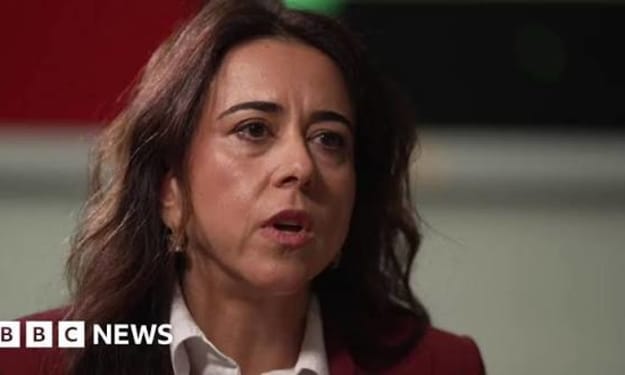
For the couple featured in the initial BBC report, the disruption has had serious personal consequences. The woman was due to begin a course of chemotherapy shortly after returning home, but the extended situation abroad meant she missed a critical appointment, adding both emotional and medical strain to an already stressful scenario. Meanwhile, the pair faced bills for accommodation and meals that far exceeded their original travel budget.
Many travellers in similar circumstances have expressed frustration at their inability to leave despite having made advance plans. Hotels in major transit hubs continue to be in high demand, with prices rising as supply tightens and demand continues. Some have posted pleas on social media and online forums seeking advice on alternative routes or even accommodation assistance.
Government response and contingency planning
The British government has acknowledged the scale of the problem and outlined efforts to assist its citizens. Officials have urged British travellers in the region to register with the Foreign, Commonwealth & Development Office (FCDO) so that authorities can estimate where UK nationals are located and send tailored advice or alerts.
Authorities have also explored possible evacuation plans or coordination with airlines to establish special flights that could allow stranded passengers to return home, but limitations remain due to the ongoing airspace closures and safety assessments by carriers.
In some cases, the government has assisted with the organisation of repatriation flights from neighbouring countries, though demand continues to outstrip available seats. One official noted that commercial airline routes remain the most efficient and rapid means of transport when they are operational, but the rapidly evolving situation means many travellers are still waiting for reliable connections.
Insurance and legal challenges
Travel insurance policies vary widely in terms of what they cover during episodes of geopolitical instability. Many plans include provisions for trip interruption or evacuation assistance, but there are often exclusions when airspace closures or conflict is deemed foreseeable or if specific types of war risk are involved. Those facing high hotel bills often find themselves unsuccessful in securing full reimbursements.
Some travel experts suggest that independent travellers may need to absorb these costs themselves, especially if airlines or governments explicitly state that flights cannot operate due to safety concerns. They warn of a complex landscape of claims and payouts as more people attempt to seek compensation for unexpected expenses incurred while stranded.
Human impact beyond finance
Beyond the financial toll, the human impact of being stranded in a conflict‑affected region has resonated widely. Social media posts from British travellers describe not only the inconvenience but also anxiety about navigating safety in areas where geopolitical tensions are high. The inability to return home as planned, combined with concerns about access to medical care, has amplified stress for many individuals and families.
One commenter described the situation as surreal — not a typical holiday postponement but a situation where everyday life was upended by events far beyond their control. For those facing medical issues, work commitments or family responsibilities, the ripple effects of these travel delays are likely to be felt long after they return home.
Looking ahead
As the conflict continues to influence travel logistics, British travellers in the region remain in a state of limbo. While some flights are gradually resuming from select airports, others remain grounded as airlines and local authorities assess safety conditions and airspace clearance.
For now, the narrative of stranded holidaymakers like the couple who missed chemotherapy appointments serves as a striking reminder of how global geopolitical upheavals can ripple into deeply personal crises — turning once‑routine travel plans into complicated, expensive and emotionally fraught ordeals.
About the Creator
Fiaz Ahmed
I am Fiaz Ahmed. I am a passionate writer. I love covering trending topics and breaking news. With a sharp eye for what’s happening around the world, and crafts timely and engaging stories that keep readers informed and updated.
Keep reading
More stories from Fiaz Ahmed and writers in The Swamp and other communities.
Emirati minister tells BBC Iran must end strikes on Gulf"
An Emirati minister has issued a stark warning that Iran must immediately stop launching strikes against Gulf states, telling the BBC that continued attacks risk pushing the region toward a broader and more dangerous conflict. The comments come amid escalating tensions following missile and drone strikes linked to the ongoing confrontation between Iran and its adversaries. The warning was delivered during an interview discussing the recent wave of Iranian attacks targeting countries across the Gulf. According to regional officials, several nations—including the United Arab Emirates—have experienced missile and drone threats since the conflict intensified in late February. Authorities say the strikes have affected civilian infrastructure, energy facilities, and transport routes in multiple countries. Emirati officials stressed that the Gulf states have repeatedly attempted to avoid becoming direct participants in the conflict. However, they argue that Iran’s decision to target neighbouring countries has created a dangerous escalation that threatens regional stability. “We have been very clear that attacks on our region must stop,” the minister said during the interview. “The Gulf states are not seeking confrontation, but we cannot ignore actions that endanger our citizens, infrastructure, and economic stability.” The recent tensions stem from a rapidly expanding regional crisis that began after coordinated military strikes by the United States and Israel against Iranian targets earlier this year. In response, Iran launched a large number of missiles and drones aimed at various locations in the Middle East. Some of these strikes have reached Gulf states that host U.S. military bases or maintain close security partnerships with Washington. Officials in the UAE say their air defence systems have intercepted many incoming projectiles, preventing larger-scale damage. Nevertheless, the attacks have resulted in casualties and property destruction in several locations. Iranian missile and drone attacks have reportedly killed civilians and injured more than a hundred people in the UAE during the ongoing conflict. The Emirati minister emphasized that the Gulf region has invested heavily in economic growth, global trade, and innovation over the past two decades. Continued military escalation, he said, threatens to undermine that progress by creating uncertainty for international investors, shipping routes, and energy markets. The Gulf remains one of the world’s most important energy hubs, producing a significant share of global oil and gas supplies. Any prolonged instability could therefore have consequences far beyond the Middle East. Analysts warn that continued attacks near shipping lanes such as the Strait of Hormuz could disrupt global energy markets and raise fuel prices worldwide. Despite the tensions, Emirati leaders have signalled that they still favour diplomatic solutions. Officials say dialogue and negotiations remain the only sustainable path toward reducing the risk of a wider war. At the same time, the UAE has reinforced its message that it will defend its territory if attacks continue. In recent remarks, Mohamed bin Zayed Al Nahyan declared that the country is strong and capable of confronting threats, assuring citizens and residents that the government will protect them during the crisis. Other Gulf leaders have expressed similar concerns. Officials in several countries have warned that Iran’s actions risk destabilizing the entire region and drawing additional states into the conflict. In separate comments, the prime minister of Qatar described Iran’s strikes on neighbouring states as a dangerous miscalculation that could have severe economic consequences if the violence continues. Diplomats across the region are now working to prevent further escalation. Emergency meetings among members of the Gulf Cooperation Council have focused on coordinating defensive measures while also exploring potential diplomatic channels that could reduce tensions. The Emirati minister stressed that Gulf nations do not wish to see the conflict widen. However, he warned that patience among regional governments is wearing thin as attacks continue. “We have always supported stability and cooperation in the region,” he said. “But stability cannot exist if countries are launching missiles and drones at their neighbours.” For many observers, the situation highlights the fragile balance of power in the Middle East. While diplomatic efforts continue behind the scenes, the next steps taken by Iran and its regional rivals will likely determine whether the crisis moves toward negotiation—or further confrontation. As the conflict continues, Gulf leaders say their message remains simple: stop the strikes, return to diplomacy, and prevent the region from sliding into a wider war that could have consequences for the entire world.
By Fiaz Ahmed about 12 hours ago in The Swamp
A Gathering of Evil Bosses
“I’m the queen of chin jutting while I smooth my hair, attacking, insulting, and deflecting to protect my appointer.” “Oh, please, Blondi, my hair is curled, highlighted, and longer than yours. I feature television commercials telling immigrants that we will give them a free plane ride home, and if they voluntarily turn themselves in, they will be allowed to legally apply for re-entry. It runs everywhere, and I look good in it! You can’t compete because of your blond hair. Mine is nicer, and my lips are prettier than yours.”
By Andrea Corwin 23 days ago in The Swamp
Becca
"Everything is so... flat." Denille said stupidly as she looked around her new neighborhood. She looked around at the muted desert where even the smallest sign of life seemed to have given up. The plant life was shrubs that were half cooked by the heat and where there should have been a lawn, a mess of white rocks laid glistening in the sun. Even the sky looked stretched thin, like the sun had ironed it smooth. She’d moved from Riverside, where at least there were hills, but here in Barstow, everything felt baked and brittle.
By Sara Wilson8 days ago in Fiction



Comments
There are no comments for this story
Be the first to respond and start the conversation.