
Germany News: WWII Bomb Forces Major Evacuation in Dresden
Discovery of an unexploded World War II bomb triggers a large-scale evacuation in one of Germany’s historic cities, reminding residents of the lingering dangers from the war.
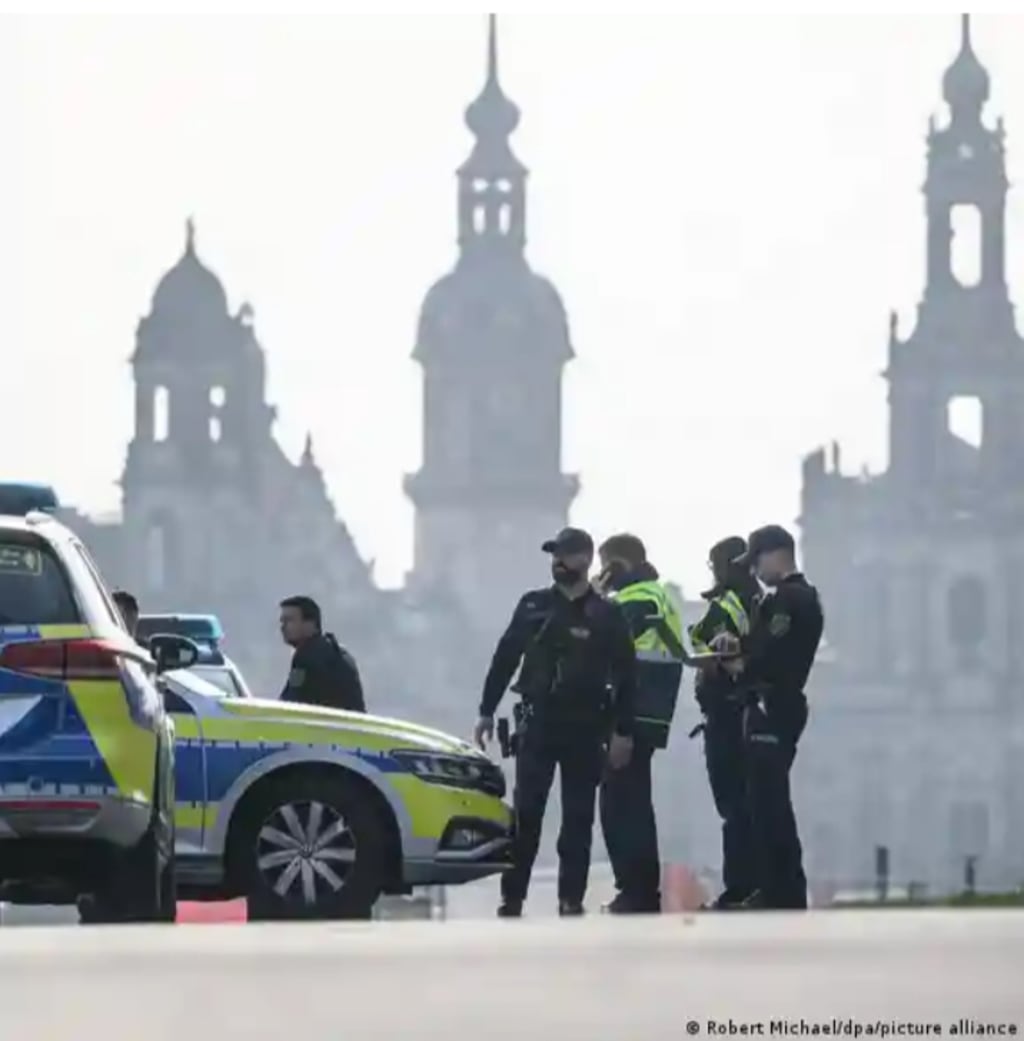
A Sudden Reminder of the Past
Residents of Dresden experienced an unexpected disruption when authorities discovered an unexploded World War II bomb buried beneath a construction site. The discovery forced officials to order a major evacuation, temporarily displacing thousands of residents while bomb disposal experts worked to neutralize the threat.
The incident highlights how the legacy of World War II continues to affect modern European cities. Even decades after the war ended, unexploded bombs still occasionally surface during construction or infrastructure projects.
German authorities moved quickly after the device was discovered, closing nearby roads, evacuating homes, and deploying specialized teams to safely remove the explosive.
How the Bomb Was Discovered
The bomb was uncovered during routine construction work connected to urban development projects in the city. Workers digging at the site noticed a suspicious metal object buried underground and immediately contacted emergency authorities.
Police and explosive experts were dispatched to examine the object, which was soon identified as an unexploded aerial bomb dropped during World War II.
Once the bomb was confirmed, local authorities activated emergency evacuation procedures to protect nearby residents and workers. Officials established a safety zone around the site to ensure that no civilians remained within the blast radius.
Even though many decades have passed since the war, unexploded bombs can still pose significant danger because they remain filled with powerful explosives.
A Large-Scale Evacuation Operation
The evacuation that followed was one of the largest in recent years for Dresden.
Authorities ordered residents living within a designated radius of the bomb site to leave their homes temporarily while specialists prepared to safely defuse or remove the device.
Thousands of people were affected by the evacuation order. Emergency teams went door to door to ensure that everyone in the area had left safely, while transportation services helped elderly residents and those with limited mobility relocate to temporary shelters.
Schools, businesses, and government offices located within the safety zone were also closed for the day.
Local officials emphasized that the evacuation was a precautionary measure designed to prevent injuries in the unlikely event that the bomb detonated.
The Work of Bomb Disposal Experts
Handling unexploded wartime bombs is a complex and dangerous task that requires specialized training and equipment.
The operation in Dresden was led by experts from Kampfmittelbeseitigungsdienst, the agency responsible for safely removing explosive remnants of war.
These teams carefully assessed the condition of the bomb and determined the safest way to neutralize it. In some cases, bombs can be safely defused by removing the detonator. In other situations, controlled explosions are necessary if the device is too unstable to dismantle.
Bomb disposal experts must work slowly and precisely, as even minor mistakes can trigger a detonation.
Fortunately, Germany has extensive experience dealing with unexploded bombs due to the large number of aerial bombs dropped during the war.
Why WWII Bombs Still Appear Today
During the Second World War, Allied forces conducted massive bombing campaigns across German cities. Dresden was among the most heavily bombed locations due to its industrial and transportation infrastructure.
The most devastating attack occurred during the Bombing of Dresden, when waves of Allied aircraft dropped thousands of bombs over the city.
Although many bombs exploded at the time, a significant number failed to detonate upon impact. These unexploded devices remained buried underground for decades, often hidden beneath buildings, roads, or parks.
Construction projects frequently uncover such bombs, especially when deep excavation work is involved.
Experts estimate that thousands of unexploded bombs may still remain buried across Germany.
The Historical Significance of Dresden
Dresden holds a unique place in European history. Known for its stunning architecture and cultural heritage, the city suffered immense destruction during World War II.
Large portions of the historic city center were destroyed during bombing raids in 1945. In the years that followed, Dresden underwent extensive rebuilding and restoration.
Today, landmarks such as the Frauenkirche Dresden symbolize the city’s recovery and resilience.
However, incidents like the discovery of unexploded bombs remind residents that the past is never completely gone.
Safety Measures and Public Response
Local authorities praised residents for cooperating with evacuation orders and following safety instructions during the operation.
Police and emergency services maintained security around the evacuation zone while medical teams remained on standby in case of emergencies.
Temporary shelters were set up to accommodate evacuated residents, and officials provided regular updates through local media and social media channels.
Although evacuations can be inconvenient, many residents expressed understanding of the situation, recognizing that safety must always come first.
A Common Challenge Across Germany
Discoveries like the one in Dresden are not rare in Germany.
Each year, bomb disposal teams respond to hundreds of incidents involving unexploded World War II munitions. Major cities such as Berlin, Hamburg, and Cologne have all experienced similar evacuations in recent years.
Because of the scale of wartime bombing, experts believe unexploded bombs will continue to be discovered for decades to come.
Modern detection technology and careful construction planning have helped reduce risks, but the possibility of finding buried explosives remains a reality.
Lessons from the Past
The discovery of a wartime bomb in Dresden serves as a powerful reminder of the lasting impact of global conflict.
Even though World War II ended more than 80 years ago, its remnants still shape the lives of people across Europe.
For historians and residents alike, these moments highlight the importance of remembering the consequences of war while continuing efforts to preserve peace.
Conclusion
The evacuation in Dresden caused by the discovery of a World War II bomb illustrates how history can unexpectedly intersect with modern life.
Thanks to the swift response of emergency services and bomb disposal experts, the situation was handled safely and efficiently.
While such discoveries may temporarily disrupt daily life, they also serve as reminders of the resilience of communities that have rebuilt after war.
As Germany continues to modernize its cities, the careful work of bomb disposal teams ensures that the hidden dangers of the past are addressed — allowing future generations to live safely in places once scarred by conflict.
About the Creator
Parallel Protests
I haven't written for quite some time, but I have A LOT of thoughts about yesterday's protest rally against our government's involvement and complicity in America's war on Iran, on the harbourside of my home city Bristol, and I need to put them somewhere. My gorgeous girlfriend is always a loving and listening ear and sharing it all with her will always be a healthy and happy way of processing the mental and emotional weight, but getting it straight in my brain to share means writing it all down in straight lines, so, here we are and thanks for being here.
By Steph Cole10 days ago in The Swamp



Comments
There are no comments for this story
Be the first to respond and start the conversation.