
Dozens Killed as Israeli Commandos Raid Lebanon in Hunt for Missing Airman
A high-risk cross-border mission sparks deadly clashes and raises fears of a wider regional escalation. An urgent search for a missing Israeli pilot turns into a violent confrontation inside southern Lebanon. Late-night special forces operation triggers intense fighting, civilian casualties, and international concern. A covert rescue attempt near the Israel–Lebanon border ends in heavy losses and growing political tension. As Israel searches for a missing airman, a daring commando raid ignites deadly conflict in Lebanon.
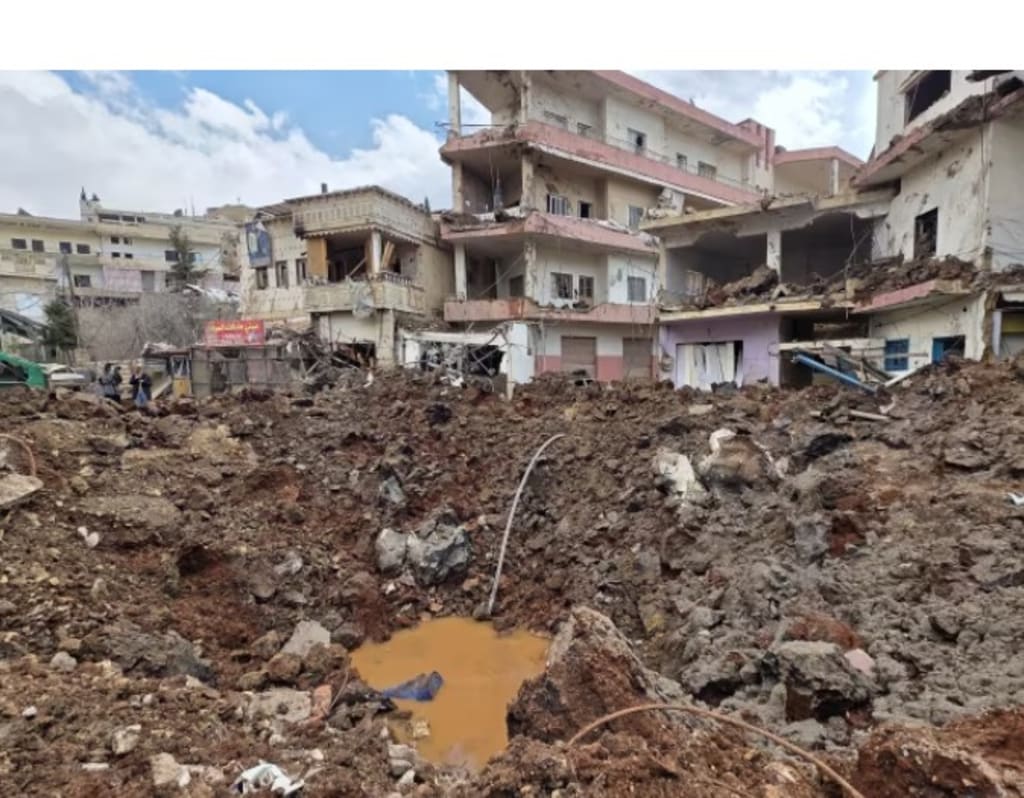
In a dramatic escalation of tensions along the Israel–Lebanon border, Israeli commandos launched a deep raid into Lebanese territory in an attempt to locate a missing Israeli airman. According to regional authorities and security sources, the operation triggered intense clashes that left dozens of people dead and many others injured. The incident has intensified fears of a broader regional conflict and sparked urgent calls for restraint from the international community.
The operation reportedly began late at night when elite Israeli special forces crossed into southern Lebanon. Israeli officials said the mission was driven by urgent intelligence suggesting that a missing Israeli pilot might have been captured or was being held somewhere in the region. The airman had disappeared after his aircraft reportedly encountered trouble during a military operation near the border.
While details remain limited, Israeli military officials indicated that the raid was carefully planned and targeted specific locations believed to be connected to armed groups operating in southern Lebanon. These areas have long been considered strongholds for militant organizations that have clashed with Israeli forces over the years.
Lebanese authorities, however, condemned the operation as a violation of sovereignty. Local officials reported that heavy fighting erupted when Israeli commandos encountered resistance from armed groups and possibly local security forces. Gunfire, explosions, and aerial surveillance reportedly continued for hours, turning several villages into conflict zones.
Emergency responders in southern Lebanon described chaotic scenes in the aftermath of the clashes. Hospitals quickly became overwhelmed with casualties as wounded civilians and fighters were brought in for treatment. According to Lebanese officials, dozens of people were killed during the confrontation, though the exact breakdown between civilians and combatants remains unclear.
Residents of the affected areas described waking up to the sound of helicopters and intense gunfire. Some reported that Israeli forces moved quickly through certain locations before withdrawing back across the border. Others said buildings were damaged during the operation, adding to the destruction in a region already accustomed to periodic military tension.
Israel has neither confirmed nor denied all aspects of the raid but acknowledged that a search operation linked to a missing airman took place. Military spokespeople stated that the fate of the pilot remains uncertain, and authorities are continuing efforts to gather intelligence about his whereabouts.
The possibility that the airman might have been captured has raised significant concern within Israel. Historically, the capture of Israeli soldiers or pilots has often led to prolonged negotiations, prisoner exchanges, or military rescue attempts. As a result, Israeli authorities treat such cases with extreme urgency.
Security analysts note that search missions across international borders are particularly risky. They can quickly escalate into larger conflicts, especially in regions where multiple armed factions operate. Southern Lebanon, in particular, has long been a sensitive flashpoint between Israel and various militant groups.
The Lebanese government has called on the United Nations to investigate the incident, arguing that the raid violated international law and endangered civilian lives. Officials in Beirut urged the international community to pressure Israel to avoid further cross-border military actions.
Meanwhile, international diplomats expressed concern about the potential for the situation to spiral into wider hostilities. The United Nations Interim Force in Lebanon (UNIFIL), which monitors the border region, reportedly began contacting both sides in an effort to calm tensions and prevent additional clashes.
Political leaders across the region reacted swiftly to the reports. Some warned that the raid could trigger retaliation from armed groups based in Lebanon, while others emphasized the need for restraint and dialogue to avoid further bloodshed.
For civilians living near the border, the raid has renewed fears of instability. Many families in southern Lebanon have experienced years of uncertainty due to periodic exchanges of fire and military operations. Incidents like this one often force residents to seek shelter or temporarily flee their homes.
The humanitarian consequences of such clashes can also be significant. Damage to infrastructure, disruption of local economies, and psychological trauma are common outcomes in communities caught in the crossfire. Aid organizations operating in the region have already begun assessing the impact of the latest violence.
Military experts suggest that the outcome of the operation may shape the next phase of tensions between Israel and Lebanese armed factions. If the missing airman is confirmed to be in captivity, further rescue attempts or negotiations could follow. Conversely, if intelligence proves inconclusive, both sides may attempt to de-escalate to avoid a larger conflict.
As investigations continue, the incident highlights the fragile security environment along the Israel–Lebanon border. Even a single military operation can quickly transform into a deadly confrontation with regional consequences.
For now, the fate of the missing airman remains uncertain, and the human toll of the raid continues to unfold. With dozens reported dead and many more injured, the event stands as another reminder of how volatile the region remains—and how urgently diplomatic solutions are needed to prevent further tragedy.
About the Creator
Keep reading
More stories from Jameel Jamali and writers in The Swamp and other communities.
Russia Is Providing Iran Intelligence to Target U.S. Forces, Officials Say
Growing military cooperation between Moscow and Tehran raises fears of a wider global confrontation The geopolitical tensions surrounding the Middle East conflict have intensified after reports emerged that Russia may be providing Iran with intelligence that could help target American military forces. According to several U.S. officials familiar with classified assessments, Moscow has allegedly shared sensitive information about the locations of American military assets across the region, including warships, aircraft, and bases. � Reuters +1 If confirmed, the revelation represents a significant escalation in the evolving relationship between Russia and Iran. It also raises concerns that the conflict could expand beyond the Middle East and become entangled in the broader power struggle between major global powers. What the Intelligence Reports Claim According to officials who spoke to journalists on condition of anonymity, Russia has provided Iran with information that could help identify U.S. military positions in the Middle East. This reportedly includes data about American warships and aircraft operating in strategic locations. � Reuters Such intelligence could dramatically improve Iran’s ability to launch targeted missile or drone attacks against American forces. Analysts note that real-time or near-real-time intelligence can significantly increase the accuracy of military operations. Reports suggest that the intelligence sharing began after the latest round of hostilities between the United States and Iran intensified. In recent weeks, U.S. and allied forces have conducted large-scale strikes against Iranian military infrastructure, prompting retaliatory missile and drone attacks from Tehran. � The Economic Times While officials say the full extent of Russia’s involvement remains unclear, the intelligence exchange is seen as a sign of growing strategic alignment between the two countries. Why Russia Might Be Helping Iran Russia and Iran have developed closer military and political ties in recent years. Their partnership expanded significantly during the war in Ukraine, where Iran supplied drones and other military equipment to support Russian forces. In return, analysts believe Russia may now be offering intelligence or technical support to Tehran. Some experts view the alleged cooperation as a form of geopolitical retaliation. The United States and its allies have provided Ukraine with intelligence, weapons, and financial support to counter Russia’s invasion. From Moscow’s perspective, helping Iran challenge U.S. military operations could serve several strategic goals: Distracting Washington with another major conflict Weakening American influence in the Middle East Strengthening Russia’s alliance with Iran Additionally, Russia has long maintained diplomatic and economic ties with Iran despite Western sanctions. The two countries also signed agreements in recent years aimed at expanding defense and economic cooperation. The Potential Impact on the Conflict If Russia is indeed providing targeting intelligence, the implications could be serious. Intelligence sharing can make military strikes more precise and potentially more deadly. According to reports, the data allegedly includes coordinates or positional information about American military assets. � Wall Street Journal For U.S. forces operating in the region, this could increase the risk of attacks on ships, aircraft, and military bases. American troops are stationed in multiple Middle Eastern countries, including Iraq, Syria, and several Gulf states. Military analysts warn that such intelligence support could prolong the conflict and make it more unpredictable. It could also complicate U.S. military planning, as commanders may need to assume that Iran has access to outside intelligence sources. U.S. Response to the Allegations American officials have acknowledged the reports but emphasized that the U.S. military is aware of the situation and adjusting its strategies accordingly. Defense leaders say they are closely monitoring communications and movements involving Russia and Iran. According to U.S. officials, military planners are factoring the possibility of foreign intelligence assistance into operational decisions. At the same time, the White House has attempted to reassure the public that American forces remain capable of defending themselves and maintaining strategic dominance in the region. Still, lawmakers and analysts in Washington have raised concerns that the situation could represent a dangerous expansion of the conflict. Russia’s Position Russia has not publicly confirmed that it is sharing intelligence with Iran. Kremlin officials have largely avoided direct responses to the allegations, though they have acknowledged maintaining dialogue with Iranian leadership. Moscow has also criticized the U.S. military campaign against Iran, describing it as an act that could destabilize the region. Russian leaders have repeatedly argued that Western military interventions in the Middle East often worsen conflicts rather than resolve them. Because intelligence operations are typically classified, it may be difficult to independently verify the extent of Russia’s involvement. A Wider Geopolitical Struggle The reported intelligence sharing highlights a broader trend in global politics: the emergence of increasingly interconnected conflicts. What begins as a regional war can quickly draw in outside powers pursuing their own strategic interests. For years, Russia and the United States have competed for influence across multiple regions, from Eastern Europe to the Middle East. If Moscow is actively assisting Iran against U.S. forces, it would mark one of the most direct confrontations between the two powers in recent decades. Experts warn that the situation could escalate further if additional countries become involved. The Middle East already hosts a complex network of alliances and rivalries, making it particularly vulnerable to wider geopolitical tensions. What Happens Next? For now, many questions remain unanswered. The precise scale of Russia’s intelligence support, the methods used to share information, and the impact on Iranian military operations are still unclear. However, the reports alone have already intensified concerns about the trajectory of the conflict. If major powers continue to intervene—directly or indirectly—the risk of a broader international crisis could grow. As the situation evolves, the world will be watching closely. The decisions made in Washington, Moscow, and Tehran in the coming weeks may determine whether the conflict remains regional—or becomes something far larger.
By Jameel Jamali6 days ago in The Swamp
Parallel Protests
I haven't written for quite some time, but I have A LOT of thoughts about yesterday's protest rally against our government's involvement and complicity in America's war on Iran, on the harbourside of my home city Bristol, and I need to put them somewhere. My gorgeous girlfriend is always a loving and listening ear and sharing it all with her will always be a healthy and happy way of processing the mental and emotional weight, but getting it straight in my brain to share means writing it all down in straight lines, so, here we are and thanks for being here.
By Steph Cole10 days ago in The Swamp
Turkey Considering Deployment of F-16s to Cyprus, Ministry Source Says
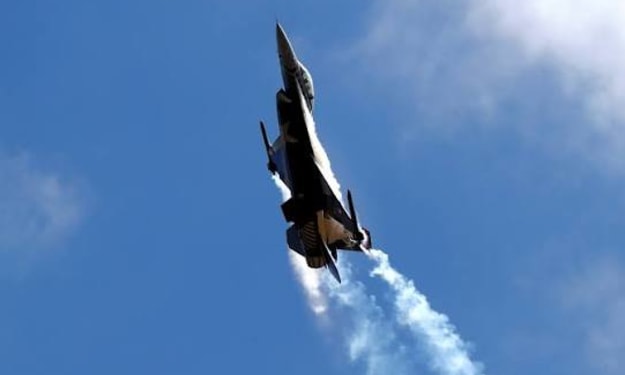
Ankara signals potential military escalation as tensions rise in the Eastern Mediterranean. Turkey is reportedly considering the deployment of F-16 fighter jets to Cyprus, according to a source within the Turkish Ministry of Defence. The potential move comes amid heightened regional tensions and ongoing disputes over airspace and territorial waters in the Eastern Mediterranean. The source, who requested anonymity due to the sensitivity of the issue, stated that Ankara is evaluating options to strengthen its military presence on the island in response to what it perceives as growing threats and provocative actions by neighboring states. While no final decision has been made, Turkish defence officials are reportedly assessing the logistics, operational readiness, and strategic implications of such a deployment. Strategic Context in the Eastern Mediterranean Cyprus has long been at the center of geopolitical disputes, particularly involving Turkey, Greece, and other regional powers. Turkey maintains a military presence in the northern part of the island, which it recognizes as the self-declared Turkish Republic of Northern Cyprus. Greece and the internationally recognized Republic of Cyprus consider such actions a violation of sovereignty. The consideration of deploying F-16s reflects Ankara’s intent to assert air superiority in contested areas and strengthen deterrence against perceived encroachments by neighboring forces. Turkish military analysts suggest that stationing fighter jets on the island could provide rapid response capabilities and enhanced surveillance of maritime zones in the Eastern Mediterranean, where energy exploration and military activity have created ongoing disputes. Potential Regional Reactions The announcement has already sparked concern among Greece, Cyprus, and other European states with interests in regional stability. Analysts warn that any increase in Turkish military assets on the island could exacerbate tensions and risk accidental clashes in congested airspace. Greek officials have historically expressed strong opposition to military expansions by Turkey in Cyprus, emphasizing that such deployments could violate international agreements and heighten the risk of confrontation. Similarly, the Republic of Cyprus has warned that any escalation could undermine ongoing diplomatic efforts to manage territorial disputes. European Union diplomats have also noted the importance of de-escalating military posturing in the region. In recent months, Brussels has called on all parties to exercise restraint, warning that heightened tensions in the Eastern Mediterranean could disrupt regional trade, energy exploration, and broader security cooperation. F-16 Capabilities and Operational Impact The Turkish Air Force operates a fleet of F-16 fighter jets capable of air defense, ground attack, and surveillance operations. Deploying these jets to Cyprus would enhance Turkey’s ability to respond rapidly to regional incidents, including aerial incursions, maritime disputes, or potential conflicts over energy exploration zones. Military analysts highlight that F-16s, when combined with advanced radar and command systems, provide significant operational reach and flexibility. They can conduct patrols, intercept aircraft, and support naval operations in contested areas. Such capabilities would reinforce Turkey’s position and demonstrate its readiness to protect strategic interests. Diplomatic Considerations While Turkey’s defence ministry has not officially confirmed the deployment, international observers are closely monitoring the situation. Analysts emphasize that a unilateral military build-up could provoke a response from neighboring states, potentially triggering a cycle of escalation. Diplomats from Greece, Cyprus, and the EU have reportedly begun consultations to coordinate messaging and assess contingency plans. Regional security experts note that ongoing military exercises, coupled with potential deployments, require careful management to avoid accidental clashes or miscalculations. Broader Implications The Eastern Mediterranean has emerged as a flashpoint for regional power competition, with multiple countries asserting claims over territorial waters and airspace. Energy exploration, maritime boundaries, and longstanding historical disputes contribute to the complexity of the situation. Turkey’s consideration of deploying F-16s to Cyprus underscores the delicate balance between deterrence and provocation. While Ankara frames the move as defensive, neighboring states view it as a potential escalation that could destabilize the region further. The international community is urging all parties to pursue diplomatic channels and confidence-building measures to prevent unintended incidents. Observers warn that missteps in the coming weeks could have far-reaching consequences, not only for Cyprus and Turkey but for broader regional security in the Eastern Mediterranean.
By Fiaz Ahmed 5 days ago in The Swamp


Comments
There are no comments for this story
Be the first to respond and start the conversation.