
Best Hair Systems for Alopecia: Realistic Solutions That Restore Confidence
Soft, Breathable Wigs for Sensitive Scalps and Natural Looks


Best Hair Systems for Alopecia: Realistic Solutions That Restore Confidence
Hair loss can feel like losing a small piece of yourself.
For people living with alopecia, the experience is often unpredictable. Hair may fall out in patches, thin gradually, or disappear completely depending on the type of condition. Some forms of alopecia even affect the entire scalp, making it difficult to maintain any natural hairstyle.
For years, wigs were the most common solution.
But today, many people are turning to modern hair systems instead.
Hair systems have evolved far beyond the old idea of a “toupee.” They are lightweight, customizable hair replacements designed to blend seamlessly with the scalp or existing hair. In fact, hairpieces and hair systems have long been used to cover partial baldness or thinning areas, offering a natural-looking solution without surgery.
If you’re exploring options for alopecia, here are some of the best hair system styles that offer comfort, realism, and confidence.
1. Full-Cap Hair Systems for Complete Hair Loss
For people experiencing severe alopecia—such as alopecia totalis or universalis—a full-cap hair system can be the most practical option.
This type of system covers the entire scalp and does not require any natural hair for blending. The base is usually designed with lightweight materials like lace or silicone to sit comfortably on sensitive skin.
Medical hair prostheses are often custom-made for individuals dealing with hair loss from conditions such as alopecia or chemotherapy, ensuring a secure and natural fit.
The biggest advantage is simplicity: you can achieve a full head of hair instantly, without waiting for regrowth.
2. Lace Hair Systems for Maximum Breathability
Alopecia can sometimes make the scalp more sensitive than usual.
That’s why lace-base hair systems are popular among wearers who prioritize comfort. The mesh-like lace material allows air to circulate freely, helping keep the scalp cooler during daily activities.
Many people who exercise regularly or live in warmer climates prefer lace systems because they feel light and natural.
The fine lace structure also makes it easier to create a realistic hairline.
3. Skin Base Hair Systems for an Invisible Hairline
Another modern option is the ultra-thin skin hair system.
These systems use a thin polyurethane base that adheres closely to the scalp, creating the illusion that hair is growing directly from the skin.
This type of hair system works especially well for styles where the hairline is visible—such as textured crops or brushed-back hairstyles.
For alopecia patients who want the most natural appearance possible, the invisible hairline effect can be a game-changer.
4. Integration Hair Systems for Partial Alopecia
Not all alopecia causes complete hair loss.
Many people experience patchy thinning or localized bald spots. In these cases, integration systems are often the best solution.
These designs allow natural hair to be blended through a mesh base, creating the appearance of thicker, fuller hair while keeping existing strands intact. Some integration systems are specifically designed for thinning crowns and early-stage hair loss, allowing users to maintain their natural hair while adding density.
The result looks incredibly natural because it combines your real hair with additional hair.
5. Custom Hair Systems for the Most Natural Results
One of the biggest improvements in modern hair replacement is customization.
Instead of buying a standard product, many people now choose custom hair systems tailored to their scalp shape, hair density, and hairline.
Companies like Bono Hair specialize in creating high-quality hair systems made with real human hair and carefully designed bases. These systems are widely used by salons and professionals because they can be customized for different hair loss patterns and personal styling preferences.
Customization often includes:
hair density adjustments
realistic hairline design
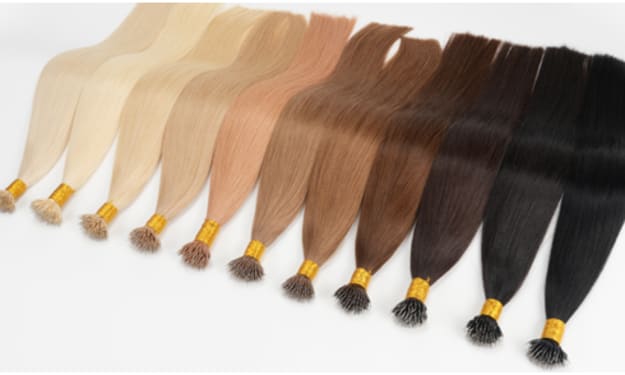
color matching
base material selection
curl pattern options
This level of detail helps the hair system blend seamlessly with a person’s appearance.
Choosing the Right Hair System for Alopecia
The best hair system depends on several factors:
the type of alopecia
scalp sensitivity
lifestyle and activity level
styling preferences
Hair systems are often recommended for people who want an immediate, non-surgical solution that restores the look of natural hair and allows them to continue daily life without interruption.
For many wearers, the biggest benefit isn’t just appearance.
It’s confidence.
Final Thoughts
Living with alopecia can be emotionally challenging.
But modern hair systems have changed what’s possible.
Instead of hiding under hats or waiting for treatments to work, people now have access to solutions that look natural, feel comfortable, and fit into everyday life.
Hair loss may change your hair.
But it doesn’t have to change how you see yourself.
About the Creator
Alex Morgan
Written by Bono Hair’s content team — experts in professional hair replacement solutions and advocates for confidence, authenticity, and self-expression through modern hair systems.
Keep reading
More stories from Alex Morgan and writers in Styled and other communities.
Is Ice Spice Hair Real Or Wear A Wig?
A lot of people have asked the same question online: is Ice Spice’s hair real, or does she wear a wig? Her big curly orange hair has become part of her signature look. When you see her on stage or in music videos, the curls look full, fluffy, and perfectly shaped. Naturally, people get curious.
By manman zhaiabout 23 hours ago in Styled
Becca
"Everything is so... flat." Denille said stupidly as she looked around her new neighborhood. She looked around at the muted desert where even the smallest sign of life seemed to have given up. The plant life was shrubs that were half cooked by the heat and where there should have been a lawn, a mess of white rocks laid glistening in the sun. Even the sky looked stretched thin, like the sun had ironed it smooth. She’d moved from Riverside, where at least there were hills, but here in Barstow, everything felt baked and brittle.
By Sara Wilson7 days ago in Fiction


Comments
There are no comments for this story
Be the first to respond and start the conversation.