
Our knowledge of cancer and mental illness may be altered by a new atlas of foetal brain cell development.
Timeline of foetal brain cells

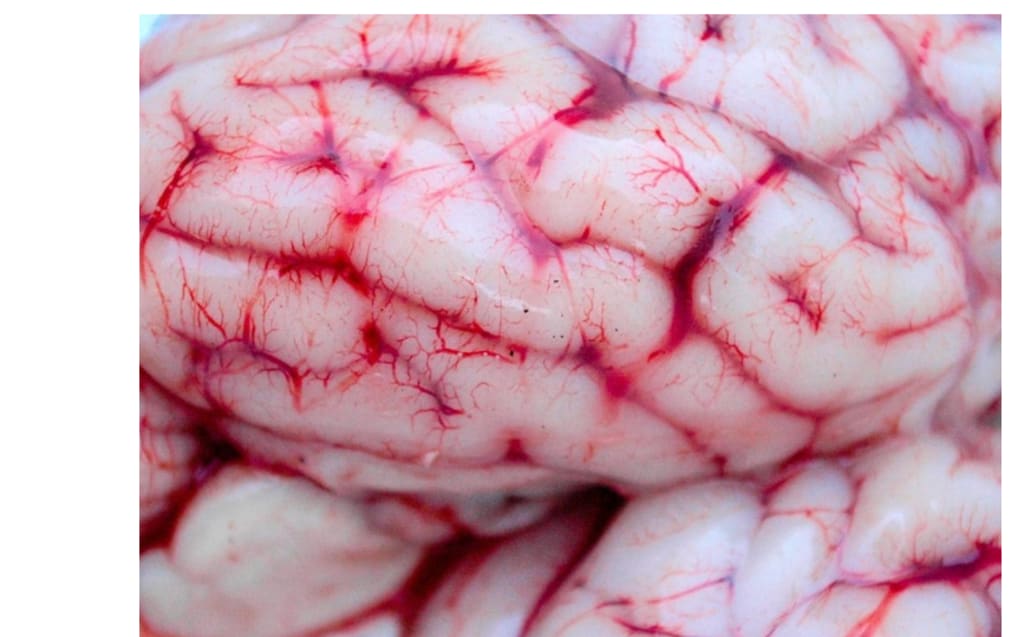
Thousands of foetal brain starting cells have been linked by scientists to the precise neurones and support cells that these cells subsequently generated. As a result, brain development becomes a timed sequence that determines when tumor-like growth programs and risk-linked genes can become active.
Timeline of foetal brain cells
A new atlas tracked the changes in each starting cell as the weeks of pregnancy went by in donated foetal brain samples. Tomasz J. Nowakowski of the University of California, San Francisco (UCSF) tracked which cells gave rise to which from those slices.
His team developed the Brain Cell Atlas Network (BICAN) with other groups so that cell identity was accompanied with a timestamp. One thing is now evident from the atlas: brain cells do not appear in a single, ordered line, but rather in overlapping waves.
Waves of foetal brain cells arrive
Gene expression, or the activation of genes to produce proteins, increased and decreased in overlapping bursts throughout numerous brain cells during pregnancy. Timing helped determine whether a cell produced neurones or support cells since changes in that activity altered a cell's job description.
Some of those early programs may resurface later in life, which could help explain why adult illness occasionally reflects development. Because of this pattern, a cell label can conceal the window when it is most susceptible to change if it is not timed.
Following the families of brain cells
UCSF researchers monitored 6,402 starter cells and the subsequent brain cells they generated within a single growing cortex atlas in BICAN. The researchers was able to connect each branch to a cell type by employing lineage tracing, which involves monitoring descendants of a single cell through several divisions.
Many starting cells switched from developing mostly excitatory neurones to producing inhibitory neurones and early myelin builders halfway through pregnancy. Small disturbances can have long-lasting impacts because that turning point coincides with a busy period in brain wiring.
Late neurones persist
The brain continued to develop excitatory neurons from truncated radial glia, stem-like cells that continue to divide after mid-pregnancy. It is possible that older programs remained accessible because some of those late-born neurones had molecular markers that are typically detected much earlier.
Some moved into the subplate, a transient layer that directs early wiring in lab-grown tissue slices. Researchers still require evidence that this occurs in gestation because the tests used tissue that was briefly kept alive.
When tumours mimic growth
Researchers directly examined cell programs from early pregnancy through adolescence using 38 human neocortex tissues. The team saw how identities changed across developmental phases by examining each cell's transcriptome, which is a snapshot of genes that are currently active.
They discovered two kinds of feeding and insulating support cells together with a beginning cell that might produce inhibitory neurones in the middle of growth. In terms of gene activity, many glioblastoma cells, an aggressive brain cancer that spreads quickly, resembled that beginning cell.
Genetic risk mapping
Many risk-linked DNA alterations correlated with highly particular cell types rather than affecting all brain cells equally. Teams were able to determine the initial appearance of a vulnerable cell type by superimposing DNA risk signals onto cell maps.
One map indicated a smaller window than anticipated for autism, pointing to second-trimester cortical neurones that link different parts of the brain. Such targeting can direct research on autism and schizophrenia toward the stages that are worth safeguarding, but it cannot forecast a specific child.
Chromatin indicates susceptibility
Chromatin, the DNA packaging that regulates which genes may function, opened and closed throughout developing brain cells throughout the first trimester. Gene-control zones were open sections that provided each cell with a list of genes that it might employ at that particular time.
The authors identified mid-brain inhibitory neurones as particularly associated with significant depression risk and linked those open regions to disease genetics. Later foetal stages still require the same level of detail because the work concentrated on tissue from the first trimester.
Brain cells are shaped by senses.
In several BICAN research, growing cells were not exposed to normal sensory and hormonal cues because tissue slices were grown outside the body. Because the brain develops itself in reaction to circumstances, missing certain inputs might alter a cell's identity and rate of growth.
Because of this reliance, key periods—windows during which the brain is particularly susceptible to inputs—become crucial to any atlas. These windows can help explain why, depending on when and where brain cells mature, the same risk gene exhibits various consequences.
The Atlas is built with funding.
The Science Media Center collected expert responses behind the atlas regarding why time is important right now. The BRAIN Initiative has supported more than 550 labs with more than $6 billion since 2013, with the goal of continuing through 2030.
Prof. Rafael Yuste, a biological sciences professor and director of Columbia University's Center for NeuroTechnology, said, "These results show how sustained investment in the development and application of new methods is of fundamental importance to science and medicine."
Despite its quick development, BICAN will remain a draft until researchers link these cell timings to actual results.
What follows
Researchers can connect early stages of brain development to later circuits with much less guesswork when they have access to time-stamped cell maps. Testing these windows in living brains and applying the results to create safer, earlier therapies will be truly valuable.
About the Creator
Keep reading
More stories from Francis Dami and writers in Motivation and other communities.
Millions of wasted wind power generation
is a Czech billionaire who buys Royal Mail and energy giant SSE if the UK wind power plant is turned off.was issued last year with a 00 million cut of 00 million units as the network overloaded and wind turbines stopped production to accept power. Taxpayers often cost more than 600 million GBP to replace the alternative systems with gas and replace the current systems with systems elsewhere.
By Francis Dami11 months ago in Motivation




Comments
There are no comments for this story
Be the first to respond and start the conversation.