
Why Guided City Tours Are the Smartest Way to Explore a New Destination
Exploring Cities Through Local Knowledge, Unique Perspectives, and Memorable Experiences

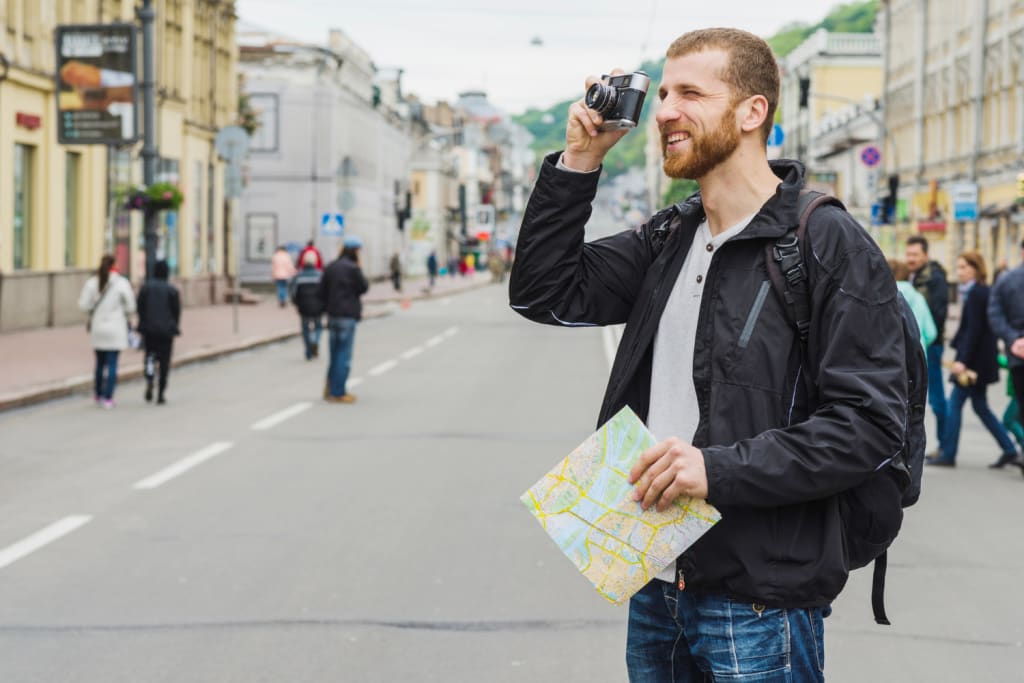
Traveling to a new city always feels exciting. There are new streets to explore, new food to try, and landmarks that you may have seen only in pictures before. But once you arrive, the excitement can quickly turn into confusion. Many travelers realize they don’t know where to start, how to organize their time, or which places are actually worth visiting. This is one of the main reasons guided city tours have become a smart and practical way to explore unfamiliar destinations.
Over time, I’ve discovered that joining a well-planned tour can make the entire travel experience smoother. Instead of spending hours trying to figure out transportation, routes, and historical details, you get the chance to focus on the most important part of travel — actually experiencing the city.
One of the biggest advantages of guided tours is the insight that local guides bring to the experience. A city may have dozens of historic buildings and famous landmarks, but without context they can simply feel like beautiful structures with no real story behind them.
A knowledgeable guide adds meaning to what you are seeing. They explain how a building was used hundreds of years ago, why certain neighborhoods developed the way they did, and how cultural traditions shaped the identity of the city.
When someone who truly understands the area shares these stories, the experience changes completely. Instead of just walking past attractions and taking photos, you begin to understand how the city evolved over time.
In many cases, these stories are not something you would easily find while searching online or reading a travel guide.
Saving Time While Traveling
Another reason guided tours are so helpful is the time they save travelers. When visiting a city for the first time, planning routes between attractions can be more complicated than expected. Public transportation systems might feel confusing, distances may appear shorter on maps than they really are, and it’s easy to miss interesting places along the way.
Guided tours remove much of this stress. The route is already organized, the schedule is planned, and transportation is usually included if the tour covers a large area. This allows travelers to see more in less time without feeling rushed or overwhelmed.
For people who have limited days in a city, this kind of structure can make a huge difference. Instead of spending half the day figuring out directions, they can focus on exploring and learning about the destination.
Experiencing Cities from a Different Perspective
Sometimes the most memorable part of a city isn’t just the landmarks themselves, but how you experience them. Guided tours often introduce travelers to perspectives they may not have considered on their own.
For example, in cities that developed around waterways, exploring from the water can reveal an entirely different side of the destination. Floating slowly through historic canals while observing centuries-old buildings, narrow bridges, and waterfront homes offers a calm and unique way to understand the layout of the city.
Amsterdam is one of the most famous examples of this. The city’s canal system has shaped its architecture and urban design for generations. Viewing the historic houses, tree-lined canals, and stone bridges from a boat provides a peaceful experience that feels very different from walking through crowded streets.
Moments like these show how guided activities can highlight elements of a city that are easy to overlook when exploring independently.
Learning the Stories Behind Famous Landmarks
Many popular tourist attractions look impressive at first glance, but without background knowledge they can feel like just another stop on a sightseeing list. Guided tours help transform these places into meaningful experiences.
When a guide explains how a landmark played a role in important historical events, or how local traditions developed around it, the location suddenly becomes more interesting. Travelers begin to see the connection between the past and present of the city.
These stories also help visitors appreciate the culture behind the destination. Instead of simply visiting places for photos, they gain a deeper understanding of why those places matter to the people who live there.
Discovering Hidden Corners of a City
While famous landmarks are important, some of the most memorable travel moments happen in lesser-known parts of a city. Small cafés tucked into quiet streets, hidden courtyards, local markets, and scenic viewpoints often become unexpected highlights of a trip.
Guides usually know about these places because they live in the city and explore it regularly. During a tour, they may point out areas that most visitors would never find on their own.
These small discoveries often make a city feel more authentic. Instead of seeing only the major attractions, travelers begin to notice the everyday details that give the destination its character.
The Social Experience of Guided Tours
Another interesting aspect of guided tours is the social environment they create. Travelers from different countries and backgrounds often join the same tour, which naturally leads to conversations and shared experiences.
When people explore a city together, it becomes easier to exchange travel tips, discuss different cultures, and learn from each other’s journeys. Even brief conversations with fellow travelers can add a unique dimension to the trip.
For solo travelers especially, guided tours can make the experience feel less isolated. Being part of a group, even for a few hours, creates a sense of connection and shared discovery.
A Helpful Introduction to the City
Some travelers hesitate to join guided tours because they worry about losing the freedom to explore independently. In reality, most tours last only a few hours and serve mainly as an introduction to the destination.
After learning about the city’s layout, history, and major attractions, visitors often feel much more confident exploring on their own. They know which neighborhoods are worth returning to, where to find local food, and which areas hold cultural significance.
In this way, guided tours often become the starting point for deeper exploration rather than replacing independent travel.
A Balanced Way to Travel
Travel is ultimately about discovering new places and understanding different cultures. While exploring independently has its own charm, guided tours can provide structure, knowledge, and unique perspectives that enrich the overall experience.
They allow travelers to see more, learn more, and connect with a destination in a meaningful way. Whether it’s walking through historic neighborhoods, visiting cultural landmarks, or quietly drifting through canals while admiring centuries-old architecture, these experiences help reveal the true character of a city.
For many travelers, this combination of local insight, thoughtful planning, and immersive experiences makes guided city tours one of the smartest ways to begin exploring a new destination.
About the Creator
DIY Herbal Remedies Anyone Can Make
There's something deeply satisfying about growing your own medicinal herbs. For centuries, our ancestors relied on backyard gardens not just for food, but for natural remedies that supported their health and well-being.
By Edward Smith6 days ago in Lifehack
Let's Nail A Cyberbully
Technology can make life easier, and usually everyone benefits from technological advances. However, this always means that the bad guys benefit as well, to the detriment of society as a whole. As social media became a thing, it gave rise to the cyberbully, a malicious person who uses social media and other technologies to harass their victims. However, while their attacks can be devastating to the right victims, usually those lacking self-confidence or who have been recently victimized, there are ways to deal with them and get back some of the peace you had prior to their attacks.
By Jamais Jochim2 days ago in Lifehack




Comments