
Self-Discipline Is the Power That Changes Everything
The Habit That Builds Success

Self-discipline is often described as the quiet force behind every meaningful achievement. While talent and opportunity may open doors, discipline is what keeps those doors from closing. It is not a dramatic or flashy quality. Instead, it is a steady commitment to doing what must be done, even when motivation fades or distractions appear.
Many people believe success comes from bursts of inspiration. In reality, success usually grows from small actions repeated consistently over time. Self-discipline turns those small actions into powerful habits. When a person chooses to act with discipline, they begin to shape their life in ways that motivation alone cannot accomplish.
At its core, self-discipline is the ability to control impulses and remain focused on long-term goals. Every day presents choices: work or delay, focus or distraction, progress or comfort. Discipline means choosing the action that moves you forward, even if it requires effort in the moment.
This skill becomes the foundation for personal growth. When someone practices discipline, they develop confidence in their own reliability. They learn that they can trust themselves to follow through on commitments. That trust builds self-respect, and self-respect fuels even greater determination.
Consider the simple example of building a daily routine. Many people set ambitious goals, but without discipline, those goals remain ideas rather than realities. A disciplined routine, however, creates structure. Waking up early, setting priorities, and dedicating time to focused work can transform an ordinary day into a productive one. Over weeks and months, these structured days accumulate into meaningful progress.
Self-discipline also strengthens resilience. Life is unpredictable, and obstacles are unavoidable. When setbacks arise, discipline keeps a person moving forward instead of giving up. It encourages patience and persistence. Instead of seeing failure as an endpoint, disciplined individuals treat it as feedback and continue improving.
Another powerful aspect of discipline is its influence on decision-making. Modern life is filled with distractions, from endless notifications to constant entertainment. Without discipline, it becomes easy to lose hours on activities that provide temporary satisfaction but little long-term value. Discipline acts like a filter, helping individuals choose actions that support their goals rather than undermine them.
Importantly, self-discipline is not about perfection. No one follows every plan flawlessly. Everyone experiences moments of weakness or delay. What matters is the willingness to return to the path. Discipline grows stronger each time a person recommits to their goals after a setback.
Developing self-discipline begins with clarity. People must first understand what they truly want to achieve. Clear goals provide direction, making it easier to prioritise tasks and manage time effectively. Once a goal is defined, the next step is to break it into manageable actions. Large ambitions can feel overwhelming, but small steps create momentum.
Consistency is the true engine of discipline. Even modest daily progress can lead to extraordinary results when maintained over time. Writing a few pages each day, studying regularly, exercising consistently, or learning new skills gradually shape a stronger, more capable individual.
The environment also plays an important role. Surroundings influence behaviour more than many people realise. A workspace free from distractions encourages focus. Supportive friends and mentors provide encouragement and accountability. When the environment aligns with personal goals, discipline becomes easier to sustain.
Self-discipline also improves emotional balance. When individuals follow structured routines and purposeful habits, they experience less stress and uncertainty. Progress becomes visible, and that progress generates motivation. Instead of feeling overwhelmed by responsibilities, disciplined individuals gain a sense of control over their lives.
In professional settings, discipline often distinguishes dependable individuals from those who struggle to keep pace. Employers and colleagues value people who consistently deliver results. Meeting deadlines, maintaining focus, and completing responsibilities with care are all expressions of discipline. Over time, these qualities build a reputation for reliability and leadership.
However, discipline should never feel like punishment. The purpose of discipline is not restriction but freedom. When people control their habits and decisions, they gain the freedom to pursue meaningful goals. They are less controlled by distractions, impulses, or short-term temptations.
Perhaps the most inspiring truth about self-discipline is that it can be learned. It is not an inborn trait reserved for a select few. Anyone can strengthen discipline through practice. Each small act of commitment -choosing focus over distraction, progress over delay - adds another layer to this valuable skill.
Over time, these choices shape character. They transform ordinary efforts into lasting accomplishments. What begins as a simple decision to stay consistent gradually becomes a powerful mindset.
Self-discipline does not promise immediate rewards, but it creates lasting change. It quietly builds confidence, resilience, and progress. Day by day, it turns intentions into actions and actions into achievements.
In the end, self-discipline truly is the power that changes everything. It guides individuals through challenges, strengthens their character, and leads them steadily toward the future they want to create.
About the Creator
Sathish Kumar
I am a professional freelance writer and video creator.
Keep reading
More stories from Sathish Kumar and writers in Lifehack and other communities.
The Metrics That Actually Get You Promoted Remotely
Many remote professionals assume promotions are based on how hard they work. They believe that if they work longer hours, respond to messages quickly, and stay busy throughout the day, eventually someone will notice their effort.
By Bahati Mulishi4 days ago in Lifehack
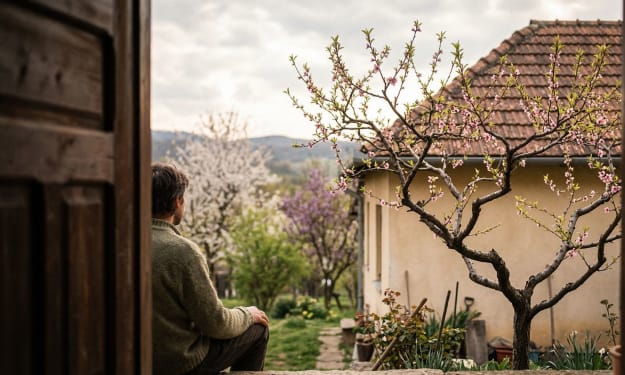
Waiting for Peach Blossoms
Hook Introduction Every year I sit in the doorway and watch the peach trees like they’re telling me a secret. The buds swell, the branches twist against the sky, and I catch myself doing the same thing I always do—waiting for peach blossoms and pretending I’m only interested in the flowers.
By abualyaanartabout 19 hours ago in Lifehack



Comments
There are no comments for this story
Be the first to respond and start the conversation.