
Nations Agree to Release Oil Reserves as War in Iran Hits Global Economy
How a Historic Oil Release Is Attempting to Stabilize Surging Energy Markets
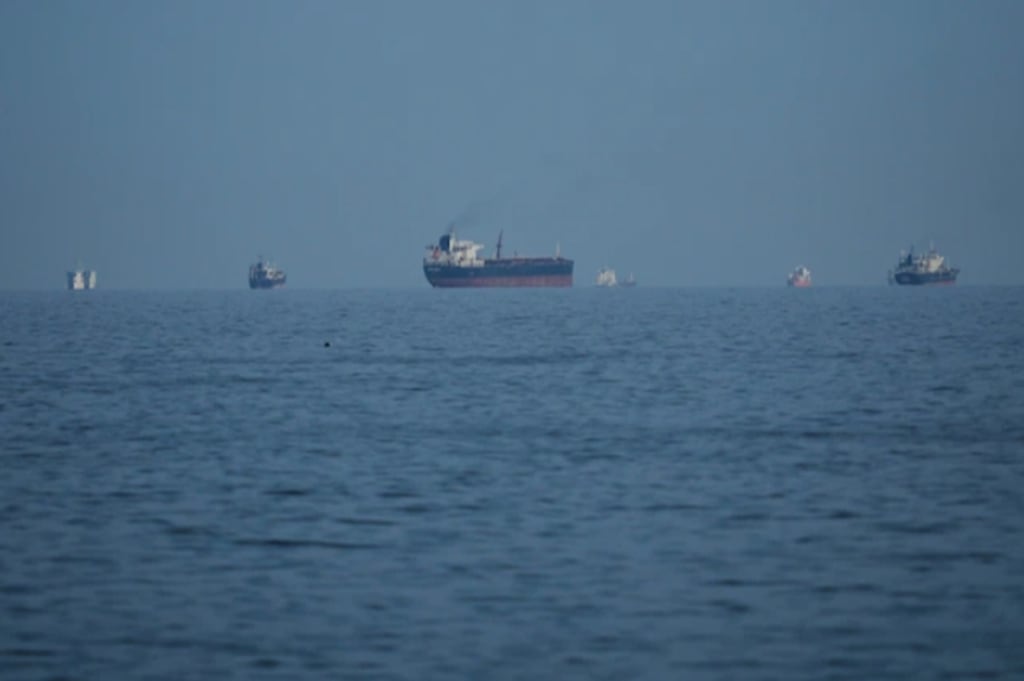
The war in Iran has forced nations around the globe to take unprecedented measures to stabilize the world’s energy markets. Governments are coordinating a historic release of strategic oil reserves in response to soaring fuel prices and disrupted supply chains, demonstrating the economic ripple effects of the ongoing conflict.
The move comes as disruptions in key shipping lanes and production cuts in the Gulf threaten global supply, driving crude prices to their highest levels in years. Officials hope the coordinated action will calm markets and protect the global economy from further shocks.
The Largest Strategic Release in History
On March 11, 2026, the International Energy Agency (IEA) announced a coordinated release of 400 million barrels of oil from member nations’ strategic reserves — the largest collective release in the agency’s history. For comparison, this volume more than doubles the emergency releases during the 2022 energy crisis following Russia’s invasion of Ukraine.
IEA Executive Director Fatih Birol called the action “unprecedented” and emphasized that it is necessary to counter extreme volatility caused by regional instability and supply disruptions.
Why the Release Was Necessary
The Iran war has seriously disrupted global oil flows, particularly through the Strait of Hormuz, a vital chokepoint for nearly 20% of the world’s oil. Tanker traffic has been severely impacted, forcing reductions in production by key Gulf countries, including Iraq, Kuwait, and the UAE.
As a result, global oil markets have experienced sharp price spikes. Benchmark crude briefly exceeded $100 per barrel before the IEA announcement, underscoring the urgency of intervention. The coordinated release aims to inject immediate liquidity into global markets and prevent further escalation in energy costs.
Which Countries Are Participating
The reserve release involves 32 IEA member countries, including major producers and consumers such as the United States, Germany, Japan, Canada, and the UK. Each country is contributing according to its reserves:
The United States is releasing 172 million barrels from its Strategic Petroleum Reserve.
Japan plans to release roughly 80 million barrels from national and private reserves.
Germany is contributing several million barrels to the collective effort.
This collaborative action ensures that markets have temporary relief while shipping and production stabilize.
Economic and Market Implications
The strategic release has both short- and medium-term effects:
Consumer impact: Moderates gasoline and energy prices, easing inflationary pressure on households.
Corporate impact: Reduces costs for energy-intensive industries and stabilizes supply chains.
Market confidence: Signals that governments can intervene to prevent complete market disruption.
Despite these measures, analysts warn that the release may only provide temporary relief. If the war continues or further restricts shipping in the Strait of Hormuz, global markets could remain under stress.
Global Coordination and Energy Security
Beyond the IEA, the G7 nations and other advanced economies are closely monitoring energy security. French President Emmanuel Macron emphasized the importance of securing sea lanes and ensuring uninterrupted oil flows to prevent future crises.
Some countries, including China and India, are considering independent reserve actions, highlighting how the crisis is influencing global energy strategy and long-term planning.
Implications for Consumers and Businesses
For consumers, the hope is that gasoline and energy prices will stabilize in the coming weeks, although costs are likely to remain higher than pre-war levels. Businesses may see some relief in transportation, logistics, and manufacturing costs, but the situation remains fluid.
Companies heavily reliant on oil, such as shipping and aviation, may experience temporary reprieve, but long-term strategies for alternative energy and supply diversification are increasingly essential.
The Intersection of Markets and Geopolitics
This crisis highlights the tight connection between geopolitics and global energy markets. Military conflicts in key producing regions can rapidly create supply imbalances, forcing governments to take extraordinary measures like reserve releases.
The IEA’s coordinated release underscores international cooperation in crisis management but also exposes the fragility of global energy systems in the face of conflict.
Looking Ahead
Several questions remain for the coming months:
How quickly will shipping through the Strait of Hormuz return to normal?
Will the 400 million barrels in reserves be sufficient to prevent ongoing price spikes?
How will global governments adapt policies to mitigate future energy shocks?
For now, the IEA-led release is an unprecedented attempt to stabilize energy markets, protect consumers, and maintain economic confidence amid one of the most significant geopolitical crises in recent history.
Related Reading
IEA announces largest-ever coordinated oil reserve release�
Global oil prices soar amid Iran war�
U.S. Strategic Petroleum Reserve tapped in historic move�
Energy security concerns drive international cooperation�
About the Creator
Worth the Wait: Puerto Viejo, Costa Rica
Beach bumming in a small Caribbean beach town sounded like a perfect way to end our 6-month trip through Mexico and Central America. Or so we thought. The foul, fishy stench of rotten seaweed hit our nostrils as we stepped from the cramped bus and looked out at a rather depressing, empty, and underwhelming black sand beach. It was pouring with rain, and we had to quickly fish out our ponchos. We thought, this couldn’t be it, could it?
By Sh*t Happens - Lost Girl Travel6 days ago in Wander




Comments
There are no comments for this story
Be the first to respond and start the conversation.