
Iran Shocks Could Spur a Shift to Clean Energy — but Also to Coal
Global energy markets face a crossroads as the war in Iran disrupts oil and gas supplies, sparking both interest in renewables and a potential short-term resurgence in coal.
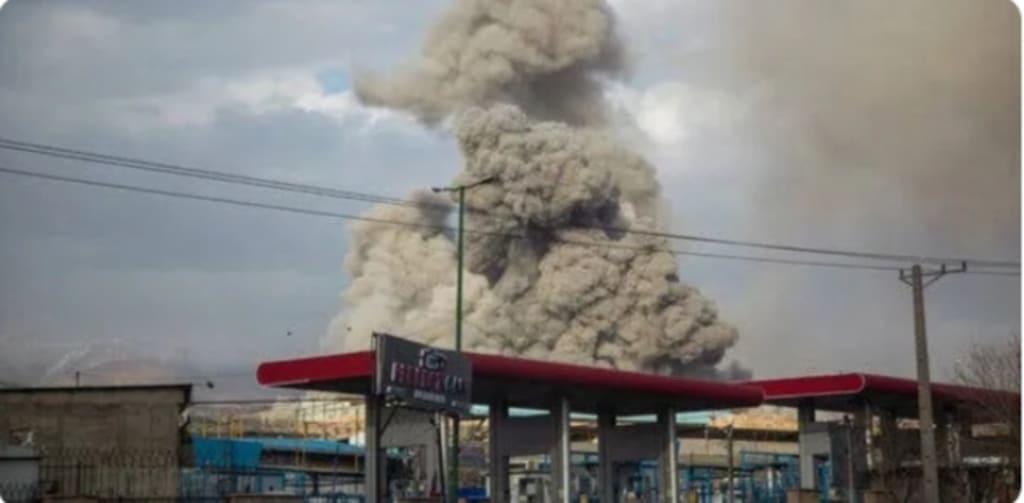
The recent geopolitical upheaval surrounding Iran has sent shockwaves through global energy markets. Oil and liquefied natural gas (LNG) prices have surged amid threats to critical supply routes such as the Strait of Hormuz, prompting governments and energy companies to rethink strategies for energy security.
The crisis has created two competing dynamics: it could accelerate investment in clean, renewable energy, or it could trigger a temporary return to coal, threatening climate progress.
Oil and Gas Prices Surge
The conflict has disrupted global energy flows, sending oil prices above $85 per barrel and sharply increasing LNG costs. Roughly one-fifth of global oil exports typically pass through the Strait of Hormuz, and supply concerns have intensified price volatility.
These price spikes are reshaping long-term planning, as countries reconsider how to secure energy while minimizing economic shocks. Energy costs now influence decisions across industries, from transportation and manufacturing to power generation.
Push Toward Renewable Energy
For renewable energy advocates, the crisis underscores the risks of heavy reliance on fossil fuels. Governments are exploring solar, wind, and battery storage as ways to reduce exposure to geopolitical shocks.
Energy security: Domestic renewables reduce reliance on imported fuels.
Economic efficiency: Higher fossil fuel prices make renewables more cost-competitive.
Climate benefits: Accelerated adoption supports emissions reductions.
European countries are increasing investments in clean energy infrastructure, while parts of Asia and Africa are evaluating accelerated renewable projects to buffer against volatile oil and gas markets.
Coal’s Resurgence
Despite the potential for a clean energy shift, some nations may increase coal usage to manage short-term supply gaps. Coal is abundant, widely available, and can quickly supplement electricity generation when oil and gas are expensive or scarce.
Historically, energy crises have prompted temporary coal resurgences, even in countries with ambitious climate targets. Analysts warn that some developing economies may turn to coal because it is cheaper and more immediately deployable than renewable alternatives.
Balancing Clean Energy and Coal
The Iran-induced energy shock illustrates a global balancing act:
Long-term renewable adoption could accelerate in wealthy nations with the capital to invest.
Short-term coal use may rise in countries needing immediate energy security.
The outcome will depend on national policies, infrastructure readiness, and access to financial and technological resources.
Policy and Market Implications
The crisis is influencing policy decisions and market behavior:
Governments are revisiting energy diversification strategies.
Companies are evaluating resilience in supply chains and investment in alternative fuels.
Investors are weighing risks in both fossil fuel markets and renewable energy projects.
Energy shocks often drive innovation, but they also test the commitment to climate goals. How countries respond now may shape the global energy mix for decades.
Conclusion
The war in Iran has created a defining moment for global energy policy. Higher oil and gas prices may accelerate clean energy adoption, but they may also spur short-term coal use, highlighting the tension between immediate energy needs and long-term climate objectives.
The coming months will reveal whether this crisis becomes a pivot toward a cleaner, more resilient energy future or a temporary return to fossil fuel reliance. Countries’ decisions now will have lasting consequences for energy security, economic stability, and climate action.
About the Creator
Worth the Wait: Puerto Viejo, Costa Rica
Beach bumming in a small Caribbean beach town sounded like a perfect way to end our 6-month trip through Mexico and Central America. Or so we thought. The foul, fishy stench of rotten seaweed hit our nostrils as we stepped from the cramped bus and looked out at a rather depressing, empty, and underwhelming black sand beach. It was pouring with rain, and we had to quickly fish out our ponchos. We thought, this couldn’t be it, could it?
By Sh*t Happens - Lost Girl Travel7 days ago in Wander




Comments
There are no comments for this story
Be the first to respond and start the conversation.