
Iran Shocks Could Spur a Shift to Clean Energy — but Also to Coal
“Geopolitical shocks in Iran could accelerate the world’s move toward renewable energy — or trigger a risky return to coal.”
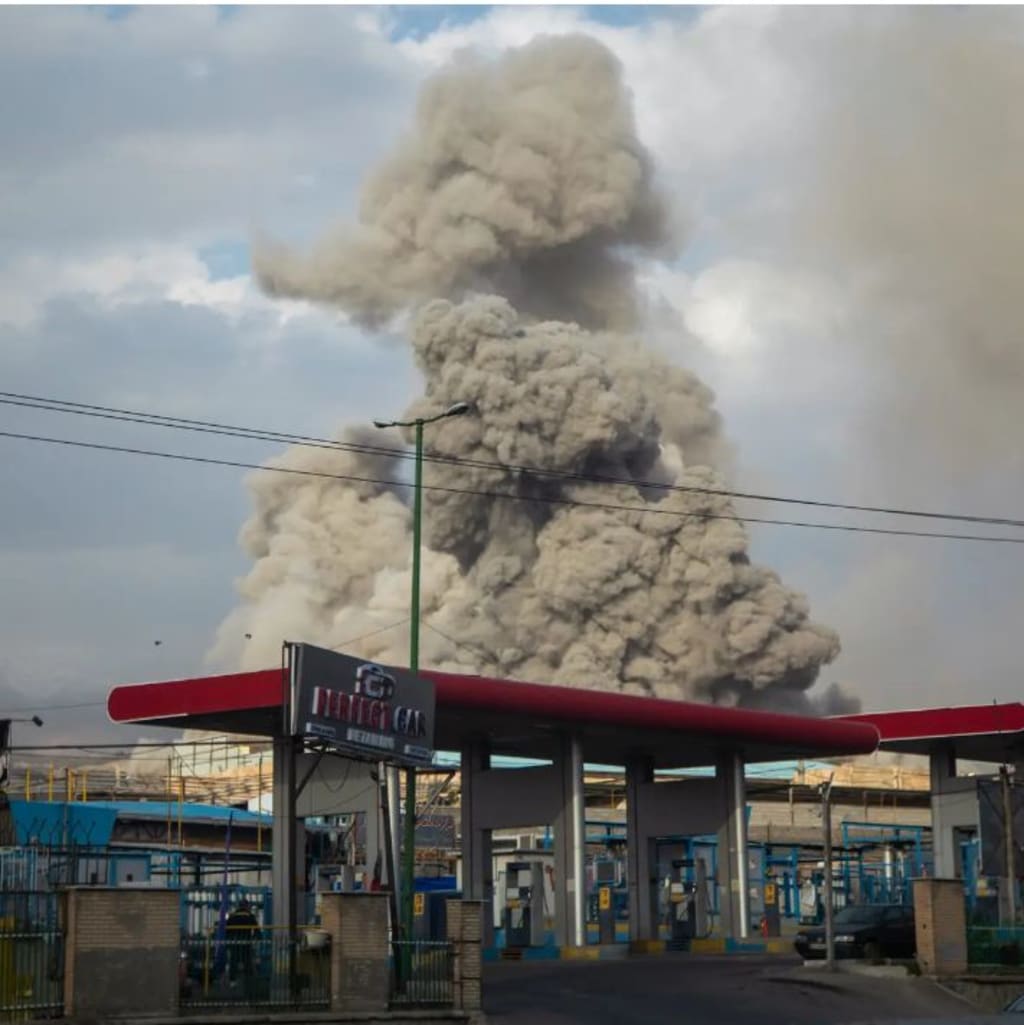
This contradiction highlights a central truth of the global energy landscape today — geopolitical shocks don’t just shift prices; they reshape strategy.
Oil Prices Surge — and So Do Fears
Conflicts involving key oil producers have a way of rattling markets, but the recent upheaval tied to Iran’s geopolitical posture has done more than unsettle traders — it has disrupted supply flows, unnerved investors, and threatened economic growth. As tensions intensified in the Middle East, oil benchmarks climbed sharply, reflecting fears that supply could tighten further if shipping through the Persian Gulf becomes untenable.
For years, energy security concerns have driven calls for diversification. But as prices spike, countries face an inconvenient truth: alternatives to petroleum don’t always scale fast enough, making even temporary shortfalls deeply painful.
In this charged atmosphere, two divergent paths have emerged: one advocating for a rapid pivot to renewable energy, and another pushing back toward the familiarity — and emissions — of coal.
A Renewed Push for Clean Energy
For environmentalists and clean‑energy advocates, the crisis has underscored a long‑standing point: dependence on fossil fuels leaves nations vulnerable — not just to climate change, but to geopolitical risk.
Solar, wind, geothermal, and other renewables are immune to geopolitical disruption. A wind turbine doesn’t rely on tanker routes; a rooftop solar panel doesn’t care about a pipeline shutdown. In many ways, the energy shocks tied to Iran have given new urgency to ongoing climate policy debates.
In Europe, which is still recovering from dependency on imported natural gas, policymakers have seized the moment to argue for accelerated renewable deployment. In the United States, senators from both parties have cited the crisis when pushing for expanded tax incentives for clean energy and domestic battery production. Some leaders have said that the turmoil revealed glaring weaknesses in current energy systems — weaknesses that renewables would help fix.
“Energy independence is national security,” one U.S. lawmaker recently declared — a phrase that has become a rallying cry for renewable advocates as oil markets fluctuate unpredictably.
But Coal Could Get a Second Wind
At the same time, the energy shock has invigorated an unexpected cohort: proponents of coal. In parts of Asia and Eastern Europe, where coal remains an essential power source, energy planners have looked at soaring oil and gas prices and concluded that a return to coal — at least temporarily — might be unavoidable.
Coal is cheap, abundant, and domestically available in many countries. For economies facing rising energy costs and inflation, the logic seems simple: bring coal plants back online and ease cost pressures on businesses and consumers.
In China, which already burns more coal than the rest of the world combined, utilities have quietly increased coal throughput at major power plants. Meanwhile, countries like India and South Africa — where coal is central to power generation — have signaled that they won’t tighten restrictions at a time when energy costs threaten economic growth.
Even in Germany, long known for its Energiewende or energy transition, policymakers have entertained extending the life of aging coal plants to avoid gaps in power supply.
This pivot — even if meant to be temporary — could erase years of progress in cutting carbon emissions. Coal is the most carbon‑intensive fossil fuel, and any increase in its use directly undermines climate goals agreed to by nearly 200 nations.
A Complex Energy Balancing Act
What’s clear is that the world stands at a crossroads. A geopolitical shock that threatens oil supply does not automatically make a clean‑energy revolution inevitable. Instead, it reveals the competing priorities that governments must balance: energy security, economic stability, and environmental responsibility.
For wealthy nations with technological capabilities and investment flows, the crisis accelerates the case for renewables. Solar panels, wind farms, and battery storage represent not just climate policy, but risk management — investments in resilience.
For emerging economies still relying heavily on fossil fuels, the calculus is different. High commodity prices can erode competitive advantage, slow industrial growth, and strain national budgets. Coal — often dismissed as outdated and polluting — can suddenly look like a lifeline.
Opportunities and Risks Ahead
The coming years will test whether the renewable energy infrastructure is resilient enough — and mature enough — to weather geopolitical storms. Nations that invested early in clean technology may find themselves less affected by oil shocks, strengthening economic performance and reducing energy import bills.
Conversely, increased coal use could lock in higher emissions at the worst possible moment. Climate scientists warn that the world has a small window to keep global warming within safe limits. Any backtracking on emissions reductions could push the planet closer to catastrophic warming.
International cooperation will be essential. The climate crisis knows no borders, and nor do energy markets. Coordinated investments, technology sharing, and financial mechanisms that make clean energy affordable for developing economies could help avert a slide back into coal dependency.
The Role of Policy and Investment
Governments have tools at their disposal. Subsidies, tax incentives, and infrastructure spending can make clean energy more competitive. At the same time, policies that penalize carbon emissions or price them into markets — like carbon taxes or cap‑and‑trade systems — can discourage investment in coal.
There’s also a role for private capital. Pension funds, institutional investors, and multinational corporations increasingly consider environmental, social, and governance (ESG) factors in their decisions. When investment flows toward renewables, it accelerates growth in that sector and helps make it cheaper and more reliable.
A Turning Point or Temporary Detour?
Ultimately, whether this energy shock becomes a turning point toward renewables or a detour back to coal hinges on leadership and long‑term vision. The immediate pressures of rising prices and economic uncertainty are real. But so too are the risks of climate change.
History shows that crises can accelerate change — or entrench old systems. The Iran‑related energy shock has the potential to push the world toward a more sustainable future. But only if policymakers, businesses, and citizens choose that path.
If the world succumbs to short‑term thinking and doubles down on coal, the next generation may look back on this moment as a missed opportunity. But if nations use this crisis to invest boldly in clean energy, it could mark the beginning of a new era — one powered not by instability and conflict, but by innovation and resilience.
If you’d like, I can also draft a subtitle and social share description to go with this blog for Vocal Media publishing. Just let me know!
About the Creator
Author’s Advice
If you would’ve asked me 20 years ago did I know I’d become a writer and an author, I would’ve said “nope, ain’t happening”. As fate would have it I did become an author and I can honestly say I’m loving it so far. It really does feel good to be a writer. I’ve learned a lot on this journey and I feel like with even me being as new to this world as I am, there’s some wisdom I need to share with every other aspiring author.
By Joe Patterson2 days ago in Journal
Ryan Gosling: Biography, Career, Movies, and Hollywood Influence
Ryan Gosling is one of Hollywood’s most versatile actors, known for films like The Notebook, La La Land, and Barbie. Discover Ryan Gosling’s biography, career highlights, awards, and influence on modern cinema
By Vincent Otiri5 days ago in Journal
Why Didn't Anyone Tell Us
Men, move along. This is not for you. This is for the women. I was forty-five when I began menopause. It is pretty young for that to be going on in a woman’s life, but I had undiagnosed PCOS, my entire life. Thank you to all the gynecologists I had seen my entire life. That in itself should encourage women to keep seeking second opinions, especially when you are not getting correct answers or any at all.
By Alexandra Grant3 days ago in Humans




Comments
There are no comments for this story
Be the first to respond and start the conversation.