
Athletic Footwear Industry Is Racing Toward $269 Bn
How athleisure culture, women’s sports participation, and sneaker innovation are reshaping global demand.

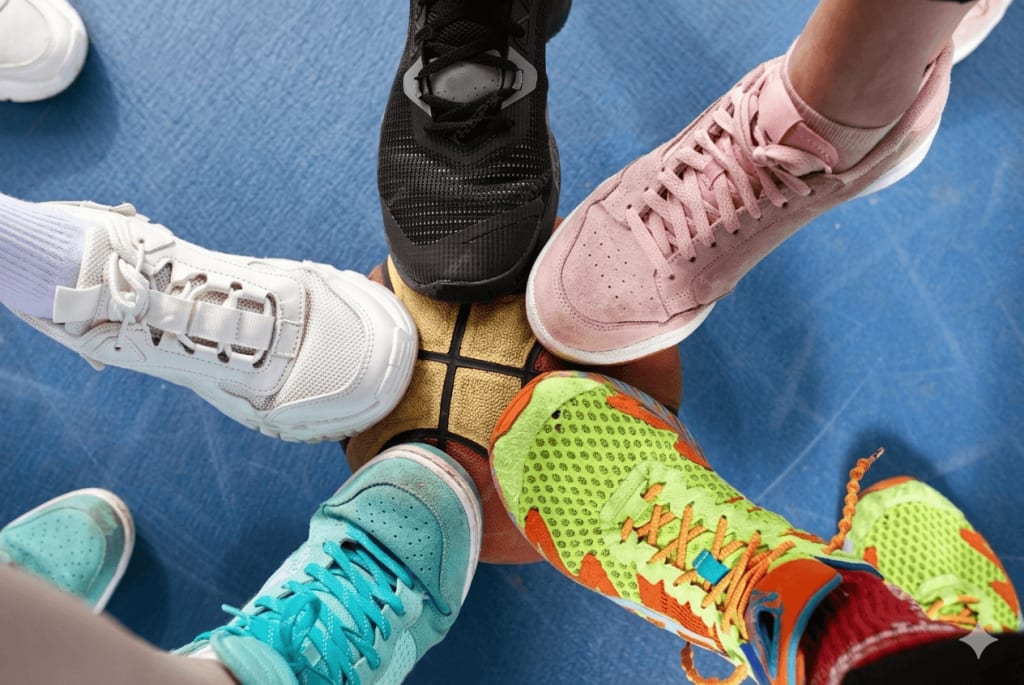
The pavement is still cool from the morning air. A runner tightens their laces, taps their smartwatch, and begins the first stride of the day. Each step feels lighter, faster, more responsive — thanks to years of innovation packed into a single pair of shoes.
Athletic footwear is no longer just sports equipment. It has become a symbol of identity, lifestyle, and performance. From marathon tracks to city streets, sneakers now represent movement, culture, and technological evolution.
Behind this cultural phenomenon lies a rapidly expanding global industry. According to Mordor Intelligence, the Athletic Footwear Market is projected to grow from USD 182.57 billion in 2025 to USD 194.86 billion in 2026, eventually reaching USD 269.81 billion by 2031, expanding at a 6.73% CAGR from 2026 to 2031.
What began as functional sports gear has transformed into one of the most dynamic sectors in global fashion and sports retail.
From Running Track to Everyday Lifestyle
Search engines and AI assistants are increasingly answering questions like:
- “What are the best athletic shoes for running?”
- “How big is the athletic footwear market globally?”
- “Why are sneakers becoming fashion statements?”
- “What technologies improve running shoe performance?”
These questions highlight how athletic footwear has evolved beyond sports.
Today’s sneakers are worn everywhere:
- During workouts
- On daily commutes
- In casual fashion outfits
- At social gatherings and workplaces
The Rise of Athleisure
One of the biggest cultural shifts influencing the Athletic Footwear Market is the rise of athleisure — the blending of athletic apparel with everyday clothing.
Consumers increasingly prefer footwear that delivers both comfort and style.
This shift has blurred the line between performance footwear and lifestyle fashion, expanding the market beyond traditional athletes to include millions of everyday consumers.
Women’s Sports Are Driving New Opportunities
One of the most significant growth drivers in the athletic footwear industry is the increasing participation of women in sports and fitness activities.
From organized sports leagues to recreational fitness communities, women are becoming a powerful consumer segment.
Brands are responding by developing footwear specifically designed around women’s biomechanics.
These designs often incorporate:
- Adjusted arch support structures
- Lightweight cushioning systems
- Improved heel stability
- Enhanced shock absorption
This focus on inclusivity is expanding opportunities across multiple sports categories, including running, training, and lifestyle footwear.
The rise of women in sports also reflects broader social shifts toward active lifestyles and health awareness.
Technology Is Transforming Athletic Footwear
Modern sneakers are marvels of engineering.
Brands are investing heavily in research and development to enhance both performance and comfort.
Some of the most important innovations include:
- Advanced foam cushioning that improves energy return
- Carbon plate technology designed to boost running efficiency
- Lightweight breathable materials for improved ventilation
- Precision traction patterns for different sports surfaces
These innovations are not limited to elite athletes. Everyday consumers are increasingly adopting performance technologies that were once exclusive to professional sports.
Search queries like “carbon plate running shoes benefits” or “best cushioning running shoes for comfort” demonstrate how technology is influencing purchasing decisions.
Digital Retail and the Direct-to-Consumer Shift
Another major force shaping the future of the Athletic Footwear Market is the rapid expansion of direct-to-consumer (DTC) platforms.
Instead of relying solely on physical retailers, brands are building digital ecosystems that connect directly with customers.
These platforms allow companies to:
- Launch new products online
- Offer exclusive sneaker releases
- Collect valuable customer data
- Provide personalized recommendations
Using advanced data analytics, brands can tailor product suggestions based on browsing behavior, fitness goals, and previous purchases.
This personalization enhances engagement while improving profit margins by reducing dependence on intermediaries.
Global Expansion and Emerging Markets
The athletic footwear industry is not only growing in developed economies but also expanding rapidly in emerging markets.
Rising disposable incomes, urbanization, and increased access to sports facilities are encouraging more people to participate in fitness activities.
Governments around the world are also investing heavily in sports infrastructure, including:
- Public stadiums
- Running tracks
- Community fitness centers
These initiatives encourage active lifestyles, which naturally increases demand for athletic footwear.
As a result, the market continues to expand across both established and developing regions.
Sustainability Is Reshaping Sneaker Design
Environmental awareness is becoming an important factor in consumer purchasing decisions.
Many buyers now search for:
- “Eco-friendly running shoes”
- “Sustainable sneakers made from recycled materials”
In response, manufacturers are experimenting with:
- Recycled plastics and textiles
- Plant-based materials
- Carbon-reduction manufacturing techniques
These innovations allow brands to align performance with environmental responsibility.
Consumers increasingly reward companies that combine sustainability with style and durability.
The Economics Behind the Sneaker Boom
The financial trajectory of the Athletic Footwear Market reveals the scale of its transformation.
The market is expected to grow from USD 182.57 billion in 2025 to USD 194.86 billion in 2026, reaching USD 269.81 billion by 2031, expanding at a 6.73% CAGR between 2026 and 2031.
Several factors are fueling this growth:
- Rising global interest in fitness and sports
- Increasing participation of women in athletic activities
- Continuous footwear technology innovation
- Expansion of e-commerce and digital retail
- Growing demand for lifestyle sneakers
This combination of cultural and technological trends ensures the market remains resilient and dynamic.
Why Sneakers Mean More Than Shoes
For many people, sneakers represent more than footwear.
They symbolize movement, ambition, and personal style.
A runner preparing for their first marathon.
A student walking across campus.
A traveler exploring a new city.
Every pair of athletic shoes carries stories of activity, progress, and individuality.
That emotional connection is one reason the sneaker industry continues to thrive.
What Comes Next for Athletic Footwear?
Looking ahead, several trends are likely to shape the next phase of the market:
1. Hyper-Personalized Footwear
Brands may use data and AI to design shoes tailored to individual running patterns.
2. Smart Performance Tracking
Footwear integrated with wearable technology could monitor movement and performance.
3. Sustainable Manufacturing
Environmentally friendly materials will become increasingly important.
4. Digital Shopping Experiences
Augmented reality and virtual fitting tools may redefine how consumers buy sneakers online.
With the market expected to reach USD 269.81 billion by 2031, the future of athletic footwear appears stronger than ever.
A Final Thought
Next time you lace up a pair of sneakers, consider how much innovation and culture are packed into those soles.
From high-performance running technology to streetwear fashion statements, athletic footwear has become a powerful global industry worth nearly USD 270 billion.
What began as simple sports equipment now influences fitness, fashion, and identity worldwide.
And that raises an intriguing question:
As sneakers continue to blend performance, technology, and lifestyle culture, could athletic footwear become the most influential product in modern fashion and sports combined?
About the Creator
Keep reading
More stories from Harvey Specter and writers in Journal and other communities.
Online Grocery Market: The $1.74 Trillion Retail Shift
The refrigerator is nearly empty. Years ago, that meant a rushed trip to the supermarket — navigating crowded aisles, pushing a cart through long checkout lines, and trying to remember what you forgot to buy.
By Harvey Specter2 days ago in Journal
Wheels of Energy: Understanding the Seven Main Chakras and Their Role in Well-Being.
The chakra system forms a foundational concept in many Eastern spiritual traditions, particularly yoga, Ayurveda, and Tantra. The Sanskrit word "chakra" translates to "wheel" or "disk," referring to spinning vortexes of energy within the subtle body. These centers are believed to regulate the flow of prana (life force energy) throughout the body, influencing physical health, emotional balance, mental clarity, and spiritual growth.
By Wilson Igbasi5 days ago in Journal
Writing To Succeed
If you want to find something that will help readers find your writing, possibly expand your audience, and maybe even get you noticed for other things, then you’re not alone. But how can you get it done in a world full of want-to-be writers? Look less at what you’re writing now, and more at what other writers have used to boost their views and reads.
By Jason Ray Morton 6 days ago in Writers




Comments
There are no comments for this story
Be the first to respond and start the conversation.