
U.S.–Iran Power Clash: Trump and Ali Larijani Exchange Strong Warnings
Wae Between Iran And America

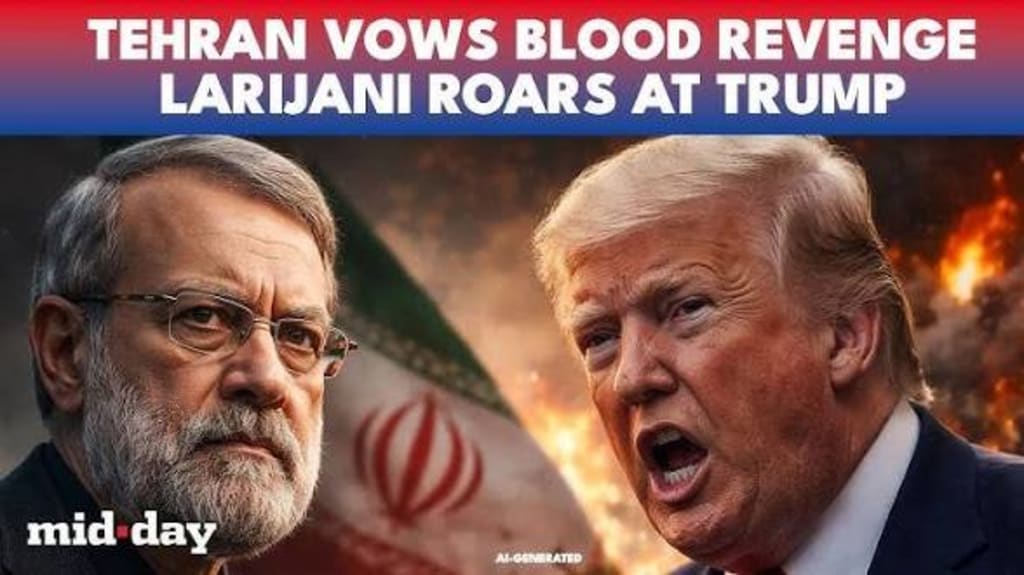
Trump and Ali Larijani Exchange Strong Warnings
Tensions between the United States and Iran have sharply escalated into what many analysts describe as a power clash marked by direct threats and forceful rhetoric. In recent weeks, U.S. President Donald Trump has made increasingly aggressive statements toward Iran’s leadership and capabilities, while Iranian officials have responded with defiant warnings of their own, dismissing U.S. threats as hollow and warning of retaliation.
This volatile exchange goes beyond mere words — it reflects a deeper confrontation involving military action, political struggle, and regional instability that could have far‑reaching consequences for the Middle East and global security.
Trump’s Strong Threats
President Trump has openly warned Tehran and its leadership that the United States is prepared to exert overwhelming force if Iran threatens vital interests, particularly around the strategic Strait of Hormuz — a key route for global oil shipments. Though Trump’s comments vary across statements, some have emphasized readiness for military engagement and a determination to neutralize perceived threats. �
Reuters +1
U.S. officials have even discussed the possibility of escorting oil tankers through the strait to protect them from Iranian attacks, illustrating concern over disruptions to global energy supplies. �
Reuters
Iranian Defiance and Counters
In response to what Iran’s leaders describe as “empty threats,” Iranian officials have issued their own stern messages. Statements attributed to authorities close to Iran’s leadership warned President Trump that attempting to weaken or eliminate Iran would fail, and cautioned him against overconfidence. �
Such rhetoric conveys Iran’s stance that it will resist external pressure and that attempts to diminish its sovereignty or influence will not succeed.
The Broader Conflict Environment
This exchange of powerful warnings comes amid an active conflict situation in the region. Recent offensives and strikes involving the U.S., Israel, and Iran have resulted in significant casualties and heightened fears of wider escalation across the Middle East. �
Reuters +1
Reports indicate that Iran has retaliated against allied forces, threatening to close the Strait of Hormuz and striking targets tied to U.S. interests. Trump has publicly described Iran’s leadership in highly critical terms and vowed continued military pressure. �
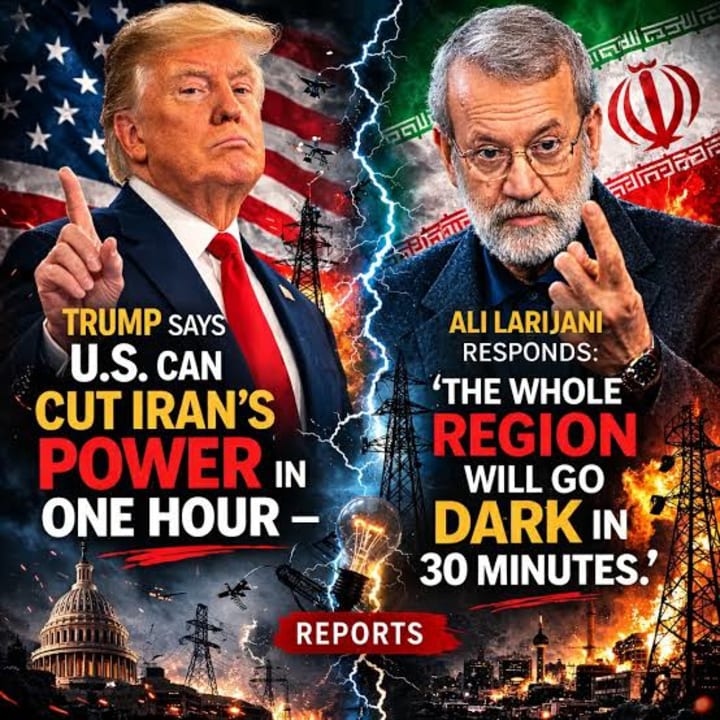
The Guardian
Political Signals and Messaging
The nature of these exchanges shows that public statements serve both diplomatic and domestic political purposes. For Trump and his administration, tough language underscores a commitment to national security and deterrence, signaling resolve to U.S. audiences and allies alike.
In contrast, Iranian officials use defiant rhetoric to demonstrate internal unity and resilience, asserting that external pressure will not break the country. Such messaging aims to bolster morale at home and deter adversaries abroad.
Escalation Risks
While much of this clash is expressed through words and social media posts, the underlying reality is dangerous: strong rhetoric can rapidly lead to miscalculations or unintended military escalation. Diplomatic analysts warn that prolonged hostile exchanges increase the risk that words could be followed by real conflict, particularly in a region already strained by war and crisis.
Efforts by international actors to push for dialogue continue, but with both sides entrenched, the path to peaceful negotiation remains uncertain.
Conclusion
The exchange of warnings between Donald Trump and Iranian leaders, including responses connected to figures like Ali Larijani, illustrates a deepening power clash between the United States and Iran. What began as strategic rivalry has escalated into a volatile mix of military action, political messaging, and public defiance.
As tensions grow, the world watches closely. Whether this conflict remains a war of words or escalates further will depend on leaders’ decisions in the coming days and weeks — choices that carry serious implications for global peace and stability.
About the Creator
shaoor afridi
“I am a passionate writer dedicated to sharing informative, engaging, and well-researched articles. My goal is to provide valuable content that educates, inspires, and adds real value to readers.”
Keep reading
More stories from shaoor afridi and writers in Geeks and other communities.
Russia Delivers 13 Tons of Medical Aid to Iran
Introduction As tensions continue to rise in the Middle East, humanitarian efforts have become increasingly important for civilians affected by the conflict. In a significant gesture of support, Russia has delivered more than 13 tons of humanitarian and medical aid to Iran. The aid shipment aims to assist hospitals and emergency services dealing with the consequences of the ongoing crisis in the region.
By shaoor afridiabout 5 hours ago in Geeks
Stage 284's "Mean Girls" is a Totally Fetch Time!
On Wednesdays, we wear pink. Stage 284 presents “Mean Girls: The Musical,” based on the classic 2004 film. 16-year-old Cady Heron attends public school for the first time. While trying to fit in, she befriends ‘The Plastics,’ an A-list clique. Cady is a hit, until she falls for Aaron Samuels, the ex-boyfriend of Alpha plastic, Regina George.
By Marielle Sabbag4 days ago in Geeks
TUS NUA - ch 53
TUS NUA – ch 53 New Beginnings – Mia and Midnight (*)(*)(*) Finola knew Ali’s brother-in-law needed to put his mind at rest. She fed her arm through his and led him outside. “We’ll sit here. If you like, I can put a block around us so our conversation will be private.”
By Margaret Brennan5 days ago in Fiction



Comments
There are no comments for this story
Be the first to respond and start the conversation.