
Saudi Arabia Electric Scooters Market: Eco-Friendly Commuting, Last-Mile Connectivity & Tech-Driven Mobility
How eco-friendly mobility, smart city initiatives, and last-mile connectivity are accelerating electric scooter adoption across Saudi Arabia.

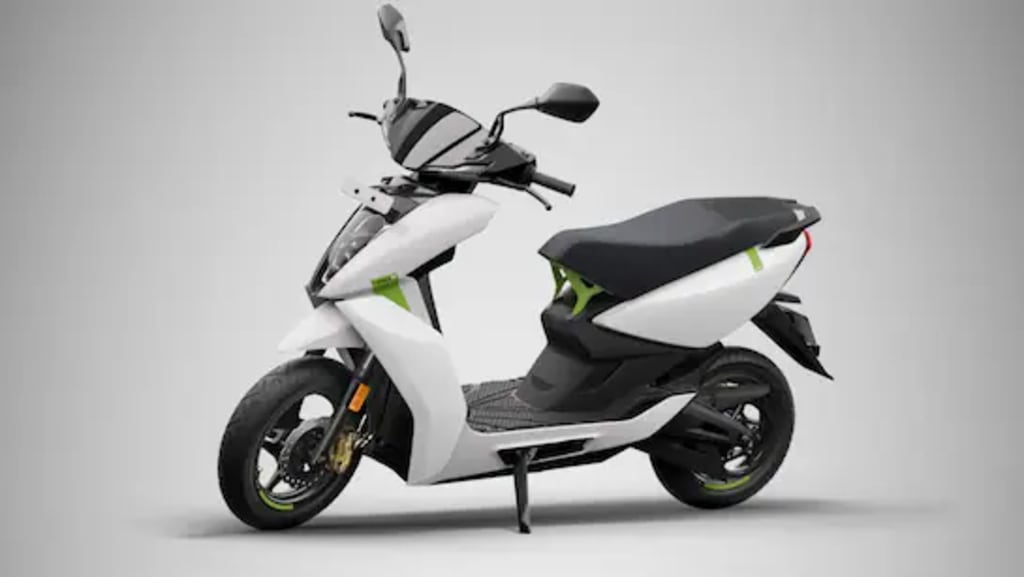
The electric scooter market in Saudi Arabia is picking up speed — and for good reason. Saudi Arabia's cities are growing fast, environmental goals are getting more ambitious, and residents are actively looking for smarter ways to get around. According to IMARC Group's latest research, the Saudi Arabia electric scooters market size reached USD 367.7 Million in 2025. Looking forward, IMARC Group estimates the market to reach USD 888.6 Million by 2034, exhibiting a CAGR of 10.30% from 2026-2034. The Northern and Central Region, anchored by Riyadh, currently leads the country in adoption, driven by the city's ambitious target of making 30% of all vehicles electric by 2030.
This isn't just a trend — it's a structural shift. Backed by Vision 2030's sustainability mandate, over USD 50 billion in EV-related investments, and a rapidly expanding charging network, electric scooters are carving out a clear role in Saudi Arabia's urban mobility ecosystem.
Saudi Arabia Electric Scooters Market Growth Drivers:
- Vision 2030 and Government-Backed Green Mobility Push
Saudi Arabia's Vision 2030 is the single biggest catalyst driving EV adoption across the Kingdom — and electric scooters are a direct beneficiary. The government has committed to electrifying 30% of all vehicles in Riyadh by 2030 and has poured over USD 50 billion into EV manufacturing and infrastructure development. The Public Investment Fund (PIF) and Saudi Electricity Company jointly established the Electric Vehicle Infrastructure Company (EVIQ) to deploy more than 5,000 fast chargers by 2030. These aren't just targets — they translate into real, expanding opportunity for electric scooter operators and manufacturers.
- Rapid Urbanization and Demand for Last-Mile Solutions
With over 92% of Saudi Arabia's population living in urban areas — roughly 31.8 million people — congestion in cities like Riyadh and Jeddah is a daily reality. Traditional transport can't keep up with the pace of urban expansion, and that's exactly where electric scooters fit in. Compact, fuel-free, and easy to park, they fill the last-mile gap that buses and cars leave behind. Saudi Arabia's delivery sector, which includes platforms like Jahez and Hunger Station, is already turning to commercial e-scooters to reduce operational costs and meet sustainability targets.
- Falling Battery Costs and Advances in Lithium-Ion Technology
Lithium-ion batteries currently dominate the Saudi electric scooter market with around 54% share — and it's easy to see why. The cost of li-ion cells has dropped dramatically over the past decade, making scooters more affordable without sacrificing performance. Models like NAVEE's ST3 Pro and GT3 Pro, launched in Saudi Arabia in early 2025, feature TUV-certified lithium-ion packs with 1,350W motors, offering fast charging and extended range. As battery prices continue to fall and energy density improves, electric scooters are becoming genuinely competitive with petrol-powered alternatives on a total cost-of-ownership basis.
Saudi Arabia Electric Scooters Market Trends:
- Smart Connectivity and App-Integrated Scooter Platforms
The next generation of electric scooters in Saudi Arabia isn't just electric — it's connected. Leading brands are integrating AI, GPS navigation, anti-lock braking, and real-time diagnostics into their products. Platforms like Tier Mobility, which expanded into Riyadh and Jeddah through a partnership with Sela Sport, allow users to locate, unlock, and pay for scooters entirely via smartphone. This shift toward connected micromobility reduces fleet downtime, improves rider safety, and gives operators rich data to optimize routes and service zones. For urban planners, it's a natural fit with Saudi Arabia's smart city ambitions.
- Commercial and Last-Mile Delivery Adoption
Beyond personal use, commercial applications are becoming a major growth engine for the Saudi electric scooter market. Companies like Barq EV — MENA's first regional electric mobility manufacturer — purpose-built their Rena Max scooter specifically for food and last-mile delivery, featuring swappable battery technology and a 150 km range. With e-commerce and food delivery surging across the Kingdom, fleet operators are under pressure to cut costs and emissions simultaneously. Electric scooters offer a practical answer: lower fuel bills, reduced maintenance, and alignment with the sustainability commitments that logistics companies increasingly need to demonstrate.
- Charging Infrastructure Expansion Removing Adoption Barriers
One of the most frequently cited concerns around electric vehicles — range anxiety — is being systematically addressed in Saudi Arabia. Electromin has targeted over 100 EV charging points by 2025, while the nationally backed EVIQ initiative is working toward 5,000 fast chargers across the Kingdom by 2030. Charging stations are being placed at high-traffic spots: malls, transit hubs, and public spaces where scooter users naturally stop. This infrastructure buildout is a critical confidence signal for new buyers. As charging becomes as routine as fueling, the case for switching to an electric scooter only gets stronger.
Recent News and Developments in Saudi Arabia Electric Scooters Market:
- February 2025: NAVEE launched three new electric scooter models — ST3 Pro, GT3 Pro, and V25i Pro — in Saudi Arabia through its official Middle East distributor, Jaddaf Telecommunications. The V25i Pro was introduced at an accessible price point of 1,399 SAR, with TUV-certified batteries and advanced suspension systems.
- 2024-2025: Barq EV, MENA's first regional electric mobility manufacturer, showcased its Rena Max and Nuro EV commercial scooters purpose-built for food delivery operations across the GCC. With a target of producing 50,000 units to serve Saudi Arabia, UAE, and Egypt, Barq is positioning itself as a key player in the Kingdom's commercial EV ecosystem.
- October 2023 (Ongoing Impact): Saudi Arabia's Public Investment Fund (PIF) and Saudi Electricity Company launched the Electric Vehicle Infrastructure Company (EVIQ) to deploy 5,000 fast chargers by 2030. This infrastructure milestone continues to create a more hospitable environment for electric scooter adoption across urban and suburban areas of the Kingdom.
Note: If you require specific details, data, or insights that are not currently included in the scope of this report, we are happy to accommodate your request. As part of our customization service, we will gather and provide the additional information you need, tailored to your specific requirements. Please let us know your exact needs, and we will ensure the report is updated accordingly to meet your expectations.
About the Creator
Kishan Kumar
My name is Kishan Roy and I am a market analyst having 5 years of experience and a skilled researcher with a keen eye for consumer trends and data-driven insights.
Keep reading
More stories from Kishan Kumar and writers in Futurism and other communities.
Japan Flower Market: Floral Gifting Trends, Premium Bouquets & Retail Expansion
Japan’s flower market is one of the most culturally embedded floral industries in the world — and the numbers back that up. According to IMARC Group’s latest research, the Japan flower market reached USD 3.5 Billion in 2025. Looking ahead, IMARC Group expects the market to reach USD 5.1 Billion by 2034, growing at a CAGR of 4.09% during 2026–2034. This consistent upward trajectory reflects a market shaped by deep-rooted traditions, rapid technological adoption in farming, and a growing appetite for both premium fresh flowers and innovative floral formats.
By Kishan Kumar2 days ago in Futurism
Australia Frozen Potato Products Market: QSR Expansion, Convenience Foods & Cold Chain Logistics
According to IMARC Group, the Australia frozen potato products market reached a value of USD 1,147.6 Million in 2025 and is projected to reach USD 1,771.2 Million by 2034, growing at a compound annual growth rate (CAGR) of 4.79% during 2026–2034. The market is expanding as changing consumer lifestyles and evolving foodservice trends increase demand for convenient, ready-to-cook food options. Frozen potato products such as French fries, wedges, hash browns and specialty potato snacks are widely used across quick-service restaurants (QSRs), cafés and retail households. Rising urbanization and busy consumer schedules are encouraging the adoption of frozen foods that offer longer shelf life and easy preparation. At the same time, improvements in cold chain logistics and frozen food distribution systems are enabling manufacturers and retailers to maintain product quality while expanding nationwide availability. As both the foodservice sector and retail consumption continue growing, frozen potato products are becoming an essential segment within Australia’s broader frozen food industry.
By Kevin Cooper3 days ago in Futurism
Human Capital Management Market: Workforce Digitalization, HR Automation & Industry Growth Outlook
According to IMARC Group's latest research publication, global human capital management market size reached USD 26.47 Billion in 2024. Looking forward, IMARC Group expects the market to reach USD 50.23 Billion by 2033, exhibiting a growth rate (CAGR) of 7.15% during 2025-2033.
By sujeet. imarcgroup3 days ago in Futurism
Becca
"Everything is so... flat." Denille said stupidly as she looked around her new neighborhood. She looked around at the muted desert where even the smallest sign of life seemed to have given up. The plant life was shrubs that were half cooked by the heat and where there should have been a lawn, a mess of white rocks laid glistening in the sun. Even the sky looked stretched thin, like the sun had ironed it smooth. She’d moved from Riverside, where at least there were hills, but here in Barstow, everything felt baked and brittle.
By Sara Wilson8 days ago in Fiction


Comments
There are no comments for this story
Be the first to respond and start the conversation.