
Chipotle Tattoo BOGO: The Story Behind the Burrito Deal
Sometimes a free burrito is more than just a meal. Sometimes it becomes a small cultural moment that people remember for years.

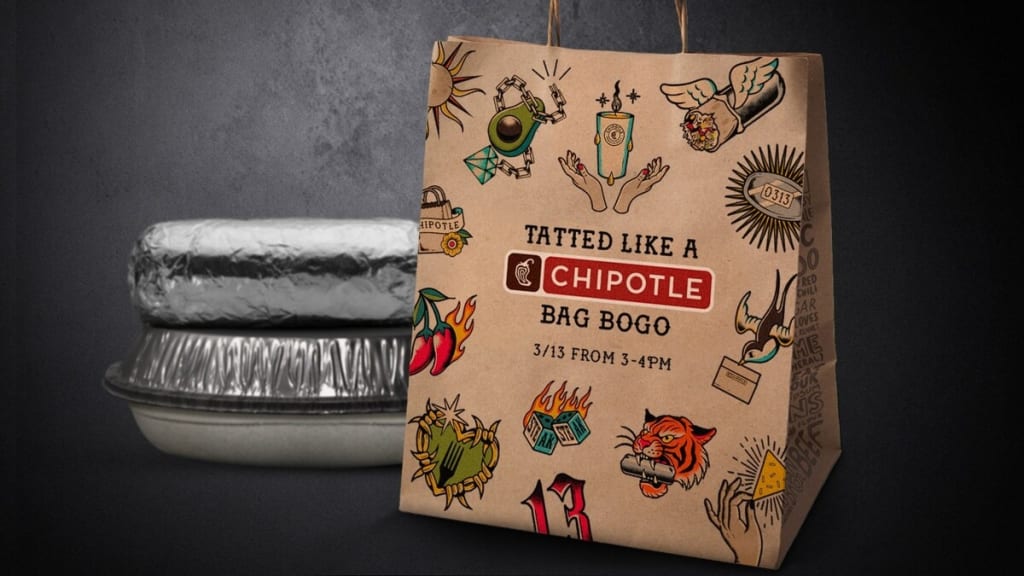
Sometimes a free burrito is more than just a meal. Sometimes it becomes a small cultural moment that people remember for years. The phrase chipotle tattoo bogo began as a strange mix of food, loyalty, humor, and internet culture. At first glance it sounds like a joke. Why would anyone get a tattoo for a burrito? But thousands of people actually did.
What started as a playful promotion turned into a viral event that showed how far fans will go for the brands they love. People lined up, shared their tattoos online, and celebrated a simple reward: buy one burrito, get one free. Behind that simple offer is a deeper story about marketing, fandom, and the strange ways food and identity sometimes connect.
What Is the Chipotle Tattoo BOGO Deal?
The chipotle tattoo bogo promotion was exactly what the name suggests.
Customers who had a tattoo related to the restaurant could walk into a participating location and receive a BOGO burrito deal. That means buying one item and getting another free.
The idea was simple.If you had a permanent tattoo connected to the brand, you could enjoy a free meal with your purchase.It sounds unusual, but the promotion quickly spread across social media.People posted photos of their tattoos. Some had them for years. Others rushed to tattoo shops to get one before the event ended.
The campaign blended food, loyalty, humor, and internet culture in a way that few restaurant promotions ever have.
Why People Were Willing to Get a Tattoo
For many people, a tattoo is deeply personal.
It can represent memories, beliefs, or identity.
But in this case, many tattoos were playful and lighthearted.
A burrito outline.
A tiny pepper.
A simple word connected to the restaurant.
Some people already had tattoos related to food. Others saw the moment as a fun story they could tell later.
The free meal was not the main reason for everyone.
Instead, the attraction was the experience itself.
Imagine telling friends that you once got a tattoo and received burritos in return. The story alone was worth it for some.
The Social Media Explosion
The internet played a huge role in spreading the chipotle tattoo bogo story.
People posted their tattoos on platforms like Instagram and TikTok.
Videos showed friends walking into restaurants together.
Some customers filmed the moment they revealed their tattoos to employees.
Others documented the tattoo process itself.
The trend became a mix of humor and creativity.
People compared tattoo designs and joked about how far they would go for free food.
In a short time, the promotion turned into a viral moment.
The Meaning Behind the BOGO Offer
At its core, the promotion was based on a familiar restaurant strategy.
BOGO deals are popular because they feel generous without requiring huge discounts.
Customers still buy something, but they also feel rewarded.
The twist here was the tattoo requirement.
This added a layer of dedication.
Only the most enthusiastic fans would qualify.
That sense of exclusivity made the deal more exciting.
Instead of being just another coupon, it became a badge of loyalty.
The Tattoo Culture Connection
Tattoos have long been connected to identity and storytelling.
People often use them to represent moments, memories, or passions.
Food tattoos have also grown more common over time.
Some people tattoo their favorite meals, drinks, or ingredients.
In this case, the chipotle tattoo bogo campaign tapped into that culture.
The tattoos were not just about a restaurant.
They were about humor, community, and shared experiences.
For many participants, the tattoo symbolized being part of a fun internet moment.
Examples of Popular Tattoo Designs
Participants showed a surprising amount of creativity.
Some designs were small and simple.
Others were bold and detailed.
Common ideas included:
Burrito Outlines
A simple burrito shape was one of the most common designs.
It was easy, recognizable, and quick for tattoo artists to create.
Pepper Icons
The restaurant’s signature pepper symbol appeared on many arms and ankles.
This design connected directly to the brand without being too large.
Funny Food Tattoos
Some people went further.
They added ingredients like rice, beans, or guacamole.
Others included cartoon-style burritos with smiling faces.
The creativity made the promotion feel playful rather than purely commercial.
Why Viral Marketing Works So Well
The success of the chipotle tattoo bogo campaign highlights something important about modern marketing.
People enjoy experiences they can share.
A simple advertisement rarely spreads across the internet.
But a surprising event can travel very quickly.
A tattoo for a burrito is exactly the kind of story people want to tell.
It is unusual.
It sparks curiosity.
It makes people laugh.
Those qualities help ideas move rapidly across social media.
The Role of Humor in Brand Loyalty
Humor played a major role in the popularity of the promotion.
The idea of getting a tattoo for a meal is absurd in a charming way.
People enjoyed the joke.
Employees also joined the fun.
Some restaurants celebrated customers who came in with tattoos.
Photos circulated showing staff members smiling beside fans.
Moments like this build emotional connections.
Customers feel like they are part of something fun rather than just a transaction.
Not Everyone Took It Seriously
Of course, not everyone supported the idea.
Some critics said getting a tattoo for a meal was excessive.
Others felt it encouraged impulsive decisions.
But most participants treated the situation lightly.
Many tattoos were tiny and easy to hide.
For those people, the tattoo was simply a souvenir of a strange internet moment.
Like a concert ticket or festival wristband, it represented a memory.
The Psychology of Limited-Time Deals
Another reason the chipotle tattoo bogo campaign gained attention was urgency.
Limited-time offers create excitement.
When people know something will disappear soon, they act faster.
This psychological effect has existed for decades.
Sales events, holiday promotions, and seasonal menus all rely on it.
Adding a tattoo requirement increased the sense of urgency even more.
People had to decide quickly.
Do it now, or miss the moment.
The Experience of Getting the Tattoo
Many participants documented the tattoo process online.
Friends visited tattoo studios together.
Some shops even created special flash sheets with burrito designs.
The process became a shared adventure.
People laughed, filmed reactions, and posted the results.
For tattoo artists, the promotion brought unexpected business.
A small burrito tattoo might only take minutes, but dozens of customers added up quickly.
The event turned into a mini celebration of food culture and creativity.
The Restaurant Experience
Walking into a restaurant with a fresh tattoo created a memorable moment.
Customers revealed their tattoos to employees.
Some staff members reacted with surprise.
Others were clearly amused.
The BOGO reward was simple.
But the experience of showing the tattoo often mattered more than the free food.
People felt proud of their dedication.
Even a small tattoo felt like a membership badge.
The Power of Community Moments
One reason the chipotle tattoo bogo story stayed popular is that it created a shared experience.
People who participated felt connected to one another.
Even strangers recognized each other’s tattoos.
Someone might spot a burrito design on a wrist and instantly understand the story.
These small connections build community.
They turn ordinary customers into fans who share memories.
That sense of belonging is valuable for any brand.
Lessons for Other Businesses
The success of the campaign offers several lessons.
Creativity Matters
Unexpected ideas attract attention.
A simple discount rarely becomes viral.
But a strange requirement like a tattoo sparks conversation.
Participation Is Powerful
People enjoy being part of a story.
The tattoo requirement encouraged customers to actively participate rather than simply purchase.
Emotion Drives Engagement
Humor, curiosity, and excitement all played roles.
When people feel something, they share the experience with others.
The Role of Internet Culture
Internet culture thrives on unusual stories.
The chipotle tattoo bogo moment fit perfectly into that environment.
Memes appeared quickly.
People joked about tattooing entire burrito bowls on their arms.
Others asked what deal might come next.
The internet loves moments that combine absurdity with real-life participation.
This campaign delivered exactly that.
Food and Identity
Food is deeply connected to personal identity.
People remember their favorite meals, restaurants, and flavors.
When someone tattoos a food item on their body, it shows a strong emotional connection.
In the case of this promotion, the tattoos were partly humorous.
But they still reflected affection for a familiar meal.
For many people, a burrito bowl or wrapped burrito is comfort food.
It represents late-night dinners, road trips, or quick lunches with friends.
The Aftermath of the Promotion
After the event ended, the tattoos remained.
Participants continued sharing photos and stories.
Some people joked that they now had a lifetime reminder of their favorite restaurant.
Others simply enjoyed the memory.
The promotion faded, but the internet kept the story alive.
Years later, people still search for the phrase chipotle tattoo bogo out of curiosity.
They want to know if the story is real.
And the answer is yes.
Why People Still Talk About It
Many restaurant promotions appear and disappear quickly.
But a few stay in public memory.
The tattoo deal stands out because it blended several powerful elements:
Humor
Participation
Food culture
Internet sharing
Together, these ingredients created a moment that felt spontaneous and playful.
People enjoy telling stories that sound unbelievable.
A burrito tattoo promotion certainly qualifies.
Could Something Like This Happen Again?
Promotions like this are difficult to repeat.
Part of the charm comes from surprise.
If every restaurant required tattoos for deals, the idea would lose its novelty.
However, the success of the chipotle tattoo bogo campaign shows that creativity matters more than size.
A small idea can spread widely if it captures people’s imagination.
Restaurants and brands continue searching for similar moments.
But few promotions have matched the strange charm of this one.
Final Thoughts
The chipotle tattoo bogo story is more than a marketing stunt.
It is a snapshot of modern internet culture.
A simple burrito deal turned into a shared experience involving tattoos, laughter, and thousands of social media posts.People participated not just for the free meal, but for the story.
They wanted to be part of something unusual.In a world full of ordinary promotions, this one stood out.It reminded people that sometimes the most memorable experiences come from unexpected ideas.And somewhere out there, many people still carry tiny burrito tattoos that remind them of the day a restaurant offered a BOGO meal for a little piece of permanent ink.
About the Creator
Muqadas khan
Hi! Welcome to my Vocal page. I’ll be sharing fresh articles every day covering stories, ideas, and a bit of inspiration to brighten your feed. Thanks for reading and supporting daily writing! 📖💫
Keep reading
More stories from Muqadas khan and writers in Feast and other communities.
Frozen Blueberries Recalled: What Families Need to Know
You open your freezer to grab a handful of blueberries for a smoothie. It is part of your routine. Maybe you add them to oatmeal for your child before school. Maybe you bake them into weekend muffins. Frozen fruit feels safe. It feels simple. But then you see the headline: frozen blueberries recalled. Suddenly, that bag in your freezer does not feel harmless anymore. Questions rush in. Are they safe to eat? What brands are involved? What should you do next? Food recalls can be unsettling, especially when they involve everyday items. This article explains why frozen blueberries recalled announcements happen, what risks are involved, and how to protect yourself and your family without panic.
By Muqadas khan15 days ago in Feast
Decaf Tea, The Ordinary Cup With Real Benefits
Decaf Tea, The Ordinary Cup With Real Benefits Many people think a cup of decaf tea is somehow weaker or pointless. That idea is not really true. The facts about decaffeinated tea show that it can be a very good choice, especially for people who want the comfort of tea without the strong effect of caffeine.
By George’s Girl 2026 a day ago in Feast
Widow invests $800,000 to start hawker culture experience centre in honour of late husband
In a touching tribute to love, memory, and cultural heritage, a Singaporean widow has invested nearly $800,000 to establish a hawker culture experience centre dedicated to preserving and celebrating the vibrant food traditions that her late husband cherished throughout his life. The centre, which opened recently in Singapore, aims to provide visitors with an immersive journey into the country’s beloved hawker culture while honouring the legacy of a man who spent decades supporting local food vendors. The project was initiated by Lim Mei Hua, whose husband, Tan Wei Chong, passed away three years ago after a long illness. Tan was widely known among friends and family as a passionate supporter of traditional hawker stalls and frequently spent his weekends exploring different food centres across Singapore. According to Lim, the idea of creating a space dedicated to hawker heritage had long been one of her husband’s dreams. “He always believed that hawker culture was the heart of Singapore,” Lim said during the centre’s opening ceremony. “After he passed away, I wanted to do something meaningful that would keep his passion alive and allow future generations to understand why these traditions matter.” Singapore’s hawker culture is a cornerstone of the nation’s identity. The bustling open-air food centres, filled with vendors serving affordable and diverse dishes, reflect the multicultural roots of the country. In recognition of its cultural importance, UNESCO added Singapore’s hawker culture to its Representative List of the Intangible Cultural Heritage of Humanity in 2020. Lim’s experience centre is designed to showcase this heritage through interactive exhibits, live cooking demonstrations, and storytelling sessions led by veteran hawkers. Visitors can learn about the origins of iconic dishes such as Hainanese chicken rice, Laksa, and Char kway teow, while also exploring the personal journeys of the hawkers who prepare them. The centre includes a small exhibition gallery featuring photographs, kitchen tools, and handwritten recipes collected from hawker families across the city. Many of these items date back decades, offering a glimpse into how culinary traditions have been passed down through generations. One section of the centre recreates a traditional hawker stall environment, allowing visitors to experience what it feels like to work behind the counter during a busy lunch rush. Young participants can try their hand at simple cooking techniques while learning about the discipline and dedication required to master hawker cuisine. Local hawkers have warmly welcomed the initiative. Many worry that younger generations may be less interested in taking over family stalls, which often involve long hours and physically demanding work. By highlighting the cultural significance of these businesses, Lim hopes the centre will inspire renewed appreciation among the public. “Hawker food is not just about eating,” said veteran vendor Ong Kee, who participated in one of the centre’s demonstration sessions. “It’s about history, family, and community. Places like this help remind people why our traditions should continue.” Beyond cultural preservation, the experience centre also aims to support hawkers economically. A portion of ticket sales will be directed toward training programs for aspiring food vendors, helping them learn both traditional recipes and modern business skills. Lim believes this approach can help sustain the industry while adapting to changing times. Tourism officials in Singapore have also expressed optimism about the centre’s potential to attract international visitors interested in culinary experiences. Food tourism has become an increasingly important part of the country’s travel industry, with visitors eager to explore authentic local cuisine. For Lim, however, the centre’s true purpose goes far beyond tourism or business success. Every corner of the space reflects memories of her husband—his favorite dishes, the stalls he frequently visited, and the stories he loved to share. “Whenever I see people enjoying the exhibits or learning about hawker culture, I feel like his spirit is still here,” she said quietly. “This place is not just about the past. It’s about keeping something precious alive.” Through her remarkable gesture, Lim has transformed personal grief into a lasting tribute that celebrates love, heritage, and the enduring power of food to bring communities together. Her $800,000 investment ensures that the spirit of Singapore’s hawker culture—and the memory of the man who cherished it—will continue inspiring generations to come.
By Fiaz Ahmed 7 days ago in Feast

Comments
There are no comments for this story
Be the first to respond and start the conversation.