
Michigan Synagogue Shooting: Fear, Faith, and Survival
Places of worship are meant to feel safe. People gather there to pray, reflect, and share quiet moments with their community.

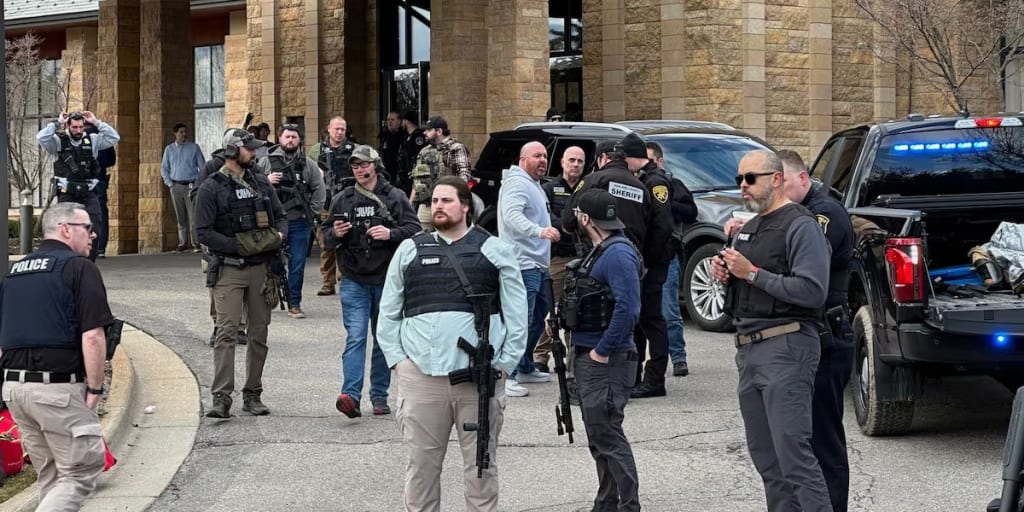
Places of worship are meant to feel safe. People gather there to pray, reflect, and share quiet moments with their community. For many families, a synagogue is more than a building. It is where children learn traditions, where people celebrate holidays, and where comfort is found during difficult times.The michigan synagogue shooting shattered that sense of safety in an instant. What began as an ordinary day quickly turned into confusion and fear. Families inside the building suddenly faced a situation no one expects in a place meant for peace.
Yet within that frightening moment were stories of quick thinking, courage, and survival.
The Michigan Synagogue Shooting: What Happened
A Normal Morning Turns Into Panic
On a Thursday morning in March 2026, Temple Israel in West Bloomfield Township, Michigan, was busy with its usual daily activities. Staff members were working, children were attending early learning programs, and families moved through the building as they normally would.
Suddenly, a vehicle crashed into the synagogue building.
Witnesses described hearing a loud impact that echoed through the structure. At first, some people believed it might have been an accident. But moments later, gunfire was heard, and the situation quickly became far more serious.
Children Inside the Building
A Frightening Situation for Families
One of the most alarming details about the michigan synagogue shooting was the number of children inside the building at the time.
Temple Israel operates an early childhood education program. On the day of the attack, around 140 children and staff members were present.
Teachers acted quickly when the crash and gunfire occurred. Following safety procedures, they moved the children to secure areas away from entrances and windows.
For the children, the experience was confusing and frightening. Many were too young to fully understand what was happening. Teachers focused on keeping them calm and safe while waiting for authorities to secure the building.
The Attacker
Identity of the Suspect
Authorities later identified the suspect as a 41-year-old man who had driven a truck into the synagogue before opening fire.Investigators believe the attack was intentional. Evidence found in the vehicle suggested that the suspect had planned the act rather than arriving by accident.
The presence of weapons and suspicious materials in the vehicle raised concerns that the situation could have been far worse if security had not responded quickly.
Federal investigators and local law enforcement began examining the suspect’s background, communications, and activities before the attack.
Understanding the motivations behind such violence is often complex, and investigations can take time.
The Role of Security
Why Security Presence Matters
One of the most important reasons the michigan synagogue shooting did not result in greater loss of life was the presence of trained security personnel.
Many religious institutions in the United States now employ security guards or trained volunteers. This change has grown more common in recent years due to increasing concerns about attacks on houses of worship.At Temple Israel, security guards were already stationed at the building entrance.
When the attacker crashed the vehicle into the synagogue and began firing, security personnel reacted immediately. Their response prevented the attacker from moving deeper into the building where more people were present.
Their actions likely saved many lives.
Training and Preparation
Security presence alone is not always enough. Preparation and training also matter.
Temple Israel had conducted safety drills and emergency planning before the incident. Staff members were familiar with procedures for lockdowns and evacuations.
Because of that preparation, teachers and staff did not waste time deciding what to do. They already knew how to protect the children and move them away from danger.
Preparedness may feel uncomfortable for communities that prefer open and welcoming environments. However, events like this show why planning ahead can make a difference during a crisis.
Growing Concern About Attacks on Religious Sites
A Troubling Pattern
The michigan synagogue shooting reflects a larger concern across the United States.
Over the past several years, houses of worship have increasingly become targets of violence. Synagogues, churches, and mosques have all faced threats or attacks.
These incidents create fear among people who simply want to gather peacefully for prayer and community.
When sacred spaces are targeted, the emotional impact spreads far beyond the immediate location. Communities across the country begin to wonder whether their own places of worship could face similar risks.
Security Becoming More Common
Because of these concerns, many religious institutions have started adding security measures.
Some buildings now include surveillance cameras and controlled entry points. Others rely on trained volunteers who monitor entrances during services.
In some cases, police departments work closely with religious organizations to provide guidance about safety planning.
These changes reflect a difficult reality. Places once seen as open sanctuaries now must think carefully about security.
Community Reaction
Support From Across the Region
After the michigan synagogue shooting, community leaders quickly expressed support for those affected.
Local officials, religious leaders, and residents spoke publicly about the importance of protecting houses of worship. Many emphasized that violence against any faith community threatens the principle of religious freedom.
Vigils and gatherings were organized where people came together to pray and reflect. These events offered space for individuals to share grief, fear, and hope.
Moments like these often help communities begin the process of healing.
Interfaith Solidarity
Another powerful response came from interfaith communities.
Leaders from Christian, Muslim, and Jewish organizations stood together to condemn the attack. Their message was simple: violence against one community affects everyone.
These gestures may seem small, but they carry deep meaning. They remind people that different faith groups often share common values of compassion and respect.
During times of fear, unity can help communities regain a sense of stability.
Emotional and Psychological Effects
Fear Beyond One City
Although the michigan synagogue shooting happened in one town, the emotional effects spread much further.
Synagogues in other states reviewed their safety plans after the news broke. Some increased security during services or special events.
Police departments in several areas stepped up patrols near religious buildings as a precaution.
Families who attend religious schools or worship services elsewhere felt uneasy. Parents asked questions about safety measures and emergency plans.
News of attacks like this often creates a ripple of anxiety across many communities.
The Experience of Those Inside
For those who were inside the synagogue during the attack, the experience may remain in memory for years.
Imagine being a teacher responsible for a classroom of small children while hearing gunshots nearby. Imagine trying to stay calm while guiding frightened students to safety.
Even when everyone survives physically unharmed, emotional trauma can linger.
Counselors and mental health professionals often support communities after such incidents. Talking about the experience helps people process fear and regain a sense of normal life.
Why Violence in Sacred Spaces Feels Different
Places Meant for Peace
Violence can occur anywhere, but attacks on places of worship feel especially disturbing.
These locations represent peace, reflection, and moral guidance. People enter them expecting quiet safety.
When violence enters such spaces, it challenges that expectation. The contrast between the purpose of the building and the violence that occurs there makes the event even more shocking.
Many people struggle to understand how such acts can happen in environments meant for spiritual comfort.
Faith as a Source of Strength
Despite the fear caused by the michigan synagogue shooting, faith communities often show strong resilience.
Congregations gather again after tragedies. They pray together and support those who feel shaken by the experience.
For many individuals, faith provides a way to process fear and find meaning during difficult times.
Community bonds formed through religious practice can also help people recover emotionally.
Lessons From the Michigan Synagogue Shooting
Preparation Saves Lives
One clear lesson from this event is the importance of preparation.
Security planning, staff training, and communication systems all played roles in limiting the damage during the attack.Without trained security guards and prepared staff members, the outcome could have been far worse.Religious institutions across the country may look at this incident as a reminder to review their own safety procedures.
Community Awareness Matters
Another important lesson is the value of community awareness.
Sometimes individuals notice warning signs before violent acts occur. Reporting suspicious behavior or threats can help authorities prevent dangerous situations from escalating.
Community vigilance does not mean living in constant fear. Instead, it means recognizing that safety is a shared responsibility.
Looking Ahead
Protecting Religious Freedom
Events like the michigan synagogue shooting raise serious questions about how societies protect religious freedom.People should be able to gather for worship without worrying about violence. Ensuring that safety requires cooperation between community leaders, law enforcement, and local residents.Policies, security planning, and public awareness all play roles in protecting sacred spaces.
Remembering the Human Stories
Behind the headlines are real people whose actions made a difference.
Teachers who kept children calm.
Security guards who confronted danger without hesitation.
First responders who entered a smoky building to protect others.
These individuals remind us that courage often appears during moments of crisis.
Their actions helped prevent a frightening situation from becoming a much larger tragedy.
Final Thoughts
The michigan synagogue shooting serves as a painful reminder that even places of worship are not completely protected from violence.Yet it is also a story about survival and resilience. Quick responses from security personnel and staff members prevented the attacker from causing greater harm. Children were protected, families were reunited, and a community began the difficult process of healing.Acts of violence attempt to spread fear and division. But communities often respond with compassion, unity, and determination.Sacred spaces are meant for reflection, prayer, and connection. Protecting them is a responsibility shared by everyone who values peace and human dignity.
About the Creator
Muqadas khan
Hi! Welcome to my Vocal page. I’ll be sharing fresh articles every day covering stories, ideas, and a bit of inspiration to brighten your feed. Thanks for reading and supporting daily writing! 📖💫
Keep reading
More stories from Muqadas khan and writers in Criminal and other communities.
The Shame That Echoed: Understanding the Brian Cole Pipe Bomber Case
Some stories stay with you because they reveal how easily an ordinary life can fall apart. The case of the Brian Cole pipe bomber is one of those stories. It forces you to sit with uncomfortable questions about anger, loneliness, and the silent pressures that can grow inside a person until they spill into violence. You don’t need to be an expert in crime or psychology to feel the weight of it. It’s the kind of event that makes you look twice at the strangers you pass every day, wondering what might be simmering beneath the surface. This article walks through the case in simple language, but it also tries to understand what drives someone toward harm, and what we can learn when a community is shaken by fear.
By Muqadas khan3 months ago in Criminal
Push To Prevent Catapults Being Bought By Children
MP’s have been warned to put new legislation in place that will help to close a loophole in the law which allows people including children to legally buy weapons which is capable of killing wildlife. The alert was issued during a briefing in parliament which set out growing evidence that catapults were being misused against animals and to damage other people’s private property. The Naturewatch Foundation who hosted the session expanded on their message that at the moment there is a completely unregulated system where people of any age can buy weapons and there are no meaningful controls on sale or power.
By Ashish Prabhu4 days ago in Criminal


Comments
There are no comments for this story
Be the first to respond and start the conversation.