
The Hidden Technology That Powers Every Pickup and Delivery Request
Exploring the Digital Infrastructure, Smart Algorithms, and Real-Time Systems That Make Modern Pickup and Delivery Platforms Efficient

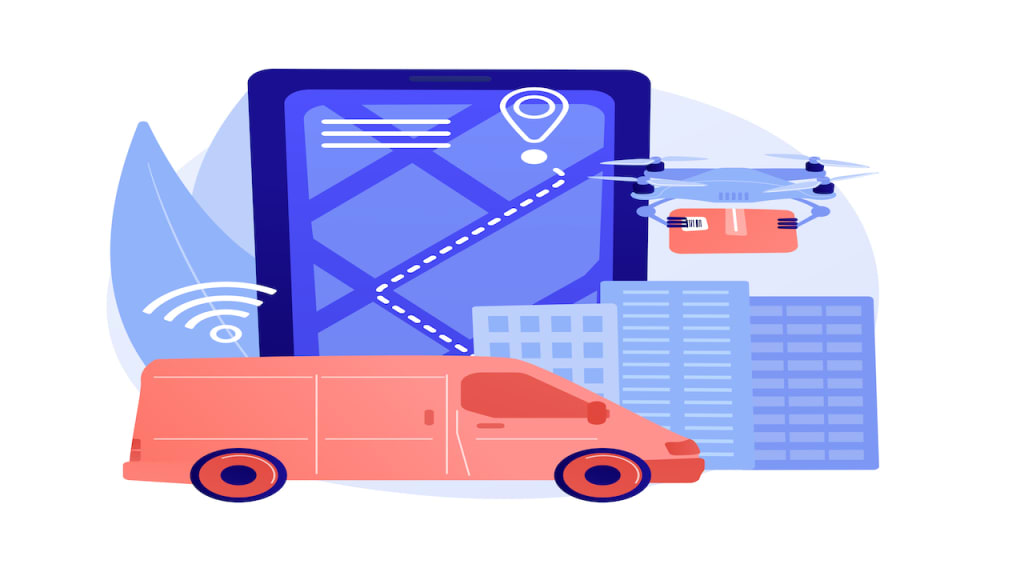
In the modern digital economy, convenience has become one of the most important factors influencing customer behavior. People expect services to be fast, reliable, and accessible at the touch of a button. Pickup and delivery platforms have emerged as a powerful solution that connects businesses with customers in real time, making the movement of goods easier than ever before. Whether it is food, groceries, parcels, or retail items, these platforms have transformed the way people send and receive products.
While the process may appear simple from a user’s perspective, a complex technological system operates behind the scenes. From order placement to route optimization and real-time tracking, several advanced technologies work together to ensure that every pickup and delivery request is completed efficiently.
The Rise of On-Demand Logistics
The growth of smartphones and internet connectivity has played a major role in the popularity of pickup and delivery services. Customers now prefer mobile platforms that allow them to request deliveries instantly without needing to visit a physical store or contact a courier company.
Businesses have also recognized the advantages of digital logistics systems. By adopting modern platforms, companies can manage orders, track deliveries, and communicate with customers more effectively. Many organizations are investing in Pickup and Delivery Development Services to create customized applications that meet the growing demand for fast and reliable delivery solutions.
These digital platforms help businesses expand their reach, reduce operational complexity, and improve customer satisfaction through seamless delivery experiences.
Mobile Applications as the Core Interface
At the center of every pickup and delivery platform is a mobile application that connects customers, service providers, and delivery drivers. These applications act as the primary interface through which users place orders, schedule pickups, and track deliveries.
User-friendly design plays a critical role in the success of these platforms. Customers expect an intuitive interface where they can quickly select items, enter delivery details, and complete payments. The app must also provide clear information about delivery time estimates and order status updates.
For delivery drivers, a separate application is often provided that allows them to accept delivery requests, view pickup locations, and navigate optimized routes. This driver interface ensures that the entire delivery process runs smoothly and efficiently.
Real-Time Tracking and GPS Integration
One of the most important features of modern pickup and delivery platforms is real-time tracking. Customers want to know exactly where their order is and when it will arrive. GPS technology makes this possible by continuously monitoring the location of delivery vehicles and updating that information within the app.
Real-time tracking increases transparency and builds trust between businesses and customers. Users can see when a driver picks up their order, track their movement on the map, and receive notifications when the delivery is approaching.
For businesses, GPS data helps improve operational efficiency. By analyzing delivery routes and travel times, companies can identify areas where improvements can be made, reducing delays and optimizing performance.
Route Optimization and Smart Algorithms
Efficient delivery operations rely heavily on route optimization algorithms. These algorithms analyze multiple factors, including distance, traffic conditions, delivery priorities, and driver availability, to determine the most efficient routes.
When a new order is placed, the system automatically assigns it to the most suitable delivery driver based on proximity and workload. This reduces delivery time and ensures that drivers can handle multiple orders efficiently.
Route optimization also helps reduce fuel consumption and operational costs. By selecting the fastest and shortest routes, businesses can improve productivity while maintaining a high level of service quality.
Secure Digital Payment Systems
Another critical component of pickup and delivery platforms is secure payment integration. Modern apps support multiple payment methods, including digital wallets, credit cards, debit cards, and online banking.
Secure payment gateways ensure that transactions are processed safely and quickly. Encryption technologies protect sensitive financial information, preventing unauthorized access or fraud.
Offering multiple payment options improves the user experience and encourages more customers to use the platform regularly.
Cloud Computing and Scalable Infrastructure
Pickup and delivery platforms must be capable of handling a large number of users simultaneously, especially during peak demand periods. Cloud computing provides the scalable infrastructure required to support this growth.
Cloud-based systems allow platforms to store data securely while ensuring high performance and reliability. They also enable businesses to update software features, manage databases, and monitor system performance from centralized control panels.
This flexibility ensures that pickup and delivery platforms can expand as demand increases without experiencing technical limitations.
Data Analytics and Business Intelligence
Data plays a crucial role in improving pickup and delivery app development services. Every order generates valuable information about customer behavior, delivery performance, and operational efficiency.
Advanced analytics tools process this data to identify patterns and trends. Businesses can analyze peak order times, popular delivery locations, and customer preferences to improve their services.
For example, companies may adjust delivery coverage areas, introduce promotional offers, or optimize driver schedules based on data insights. These data-driven decisions help businesses remain competitive in the fast-growing logistics industry.
Communication and Notification Systems
Effective communication is essential for maintaining a smooth delivery process. Modern pickup and delivery platforms include built-in messaging and notification systems that keep users informed throughout the journey.
Customers receive notifications when their order is confirmed, when the driver is assigned, and when the delivery is on the way. Delivery drivers can also communicate with customers directly if they need additional instructions for locating the pickup or drop-off point.
These communication features reduce confusion and ensure that deliveries are completed successfully.
The Future of Pickup and Delivery Technology
The pickup and delivery industry continues to evolve as new technologies emerge. Artificial intelligence is being used to improve demand forecasting and automate order management processes. Machine learning algorithms can predict delivery patterns and recommend optimal driver assignments.
Autonomous delivery vehicles and drones are also being explored as potential solutions for faster and more efficient deliveries in the future. While these technologies are still developing, they have the potential to transform the logistics landscape even further.
Additionally, companies are focusing on sustainability by adopting electric delivery vehicles and eco-friendly packaging solutions to reduce environmental impact.
Conclusion
Pickup and delivery platforms have become an essential part of the modern digital economy. What appears to be a simple process for users is actually supported by a complex network of technologies working together behind the scenes.
From mobile applications and GPS tracking to cloud infrastructure and intelligent algorithms, every component plays a role in ensuring efficient delivery operations. These technologies allow businesses to provide faster, more reliable services while meeting the growing expectations of modern consumers.
As innovation continues, pickup and delivery systems will become even more advanced, offering smarter logistics solutions that improve convenience, efficiency, and customer satisfaction in the years ahead.
About the Creator
Nayel Basim Al Shehhi
I am James Wood a Contest Writer works as a freelance content writer.
Keep reading
More stories from Nayel Basim Al Shehhi and writers in 01 and other communities.
Algorithms and Appetite: The Technology Behind Food Delivery Platforms
In today’s fast-paced digital world, food delivery platforms have become an essential part of everyday life. With just a few taps on a smartphone, users can browse restaurant menus, place orders, track deliveries, and enjoy meals delivered directly to their doorstep. What once required phone calls and long waiting times has now transformed into a seamless digital experience. Behind this convenience lies a sophisticated network of technologies, algorithms, and data-driven systems that power modern food delivery platforms.
By Nayel Basim Al Shehhi3 days ago in 01
From $5.9B to $19B: Why Data Is Powering the Rise of Payer Analytics in Healthcare
Healthcare systems worldwide generate enormous volumes of data every day—from insurance claims and billing records to patient demographics and treatment histories. As healthcare spending increases and reimbursement models shift toward value-based care, insurers and health plans must analyze this data effectively to remain sustainable. This is where payer analytics in healthcare is becoming a crucial technology foundation.
By Steve Waugh2 days ago in 01




Comments
There are no comments for this story
Be the first to respond and start the conversation.